Factors That Influence P Shot Success Rates

✅Medically reviewed | Updated August 2026
Men researching erectile dysfunction treatments often ask one direct question: does it actually work? P Shot Success Rates are not fixed figures that apply equally to every patient. Medical, procedural, and lifestyle variables shape how each man responds to platelet-rich plasma (PRP) therapy. Marketing materials sometimes present a single success percentage as though it applies universally, but clinical evidence does not support that approach. This article examines the specific factors that influence outcomes from the P-shot, also called the priapus shot. It presents them in structured, factual terms, drawing on NHS and NICE guidance and peer-reviewed literature to explain what genuinely affects results and what remains uncertain.
What P Shot Success Rates Actually Measure
No single, agreed definition of success exists across published research on the P-shot. Some studies measure erectile function using validated questionnaires. Others record patient-reported satisfaction, changes in sensitivity, or reduced penile curvature linked to Peyronie’s disease.
This variation makes it misleading to quote one universal percentage as a guarantee of outcome. A clinically responsible discussion of treatment outcomes separates these different measures rather than combining them into a single marketing figure.
Cleveland Clinic notes that clinical trials have not consistently demonstrated that the P-shot improves erectile function, and describes the treatment as experimental. This does not mean the treatment has no effect for every patient. It means current evidence remains limited in scale and consistency, and individual results vary considerably.
Factor One: The Underlying Cause of Erectile Dysfunction
The cause of erectile dysfunction strongly influences how a patient responds to PRP therapy. Men with mild to moderate vascular-related erectile dysfunction tend to report more consistent improvement than those with complex, multifactorial causes. NICE guidance identifies several underlying contributors to erectile dysfunction, including cardiovascular disease, diabetes, hormonal imbalance, and psychological factors. Where erectile dysfunction stems mainly from reduced blood flow, PRP’s proposed regenerative mechanism carries more biological plausibility than in cases driven by nerve damage, severe psychological distress, or advanced diabetic complications.
Doctors generally advise men who have not investigated the underlying cause of their erectile dysfunction to undergo medical assessment before considering the P-shot. Treating a symptom without identifying its cause can delay diagnosis of a more serious condition, such as cardiovascular disease.
Factor Two: Quality and Concentration of the PRP Used
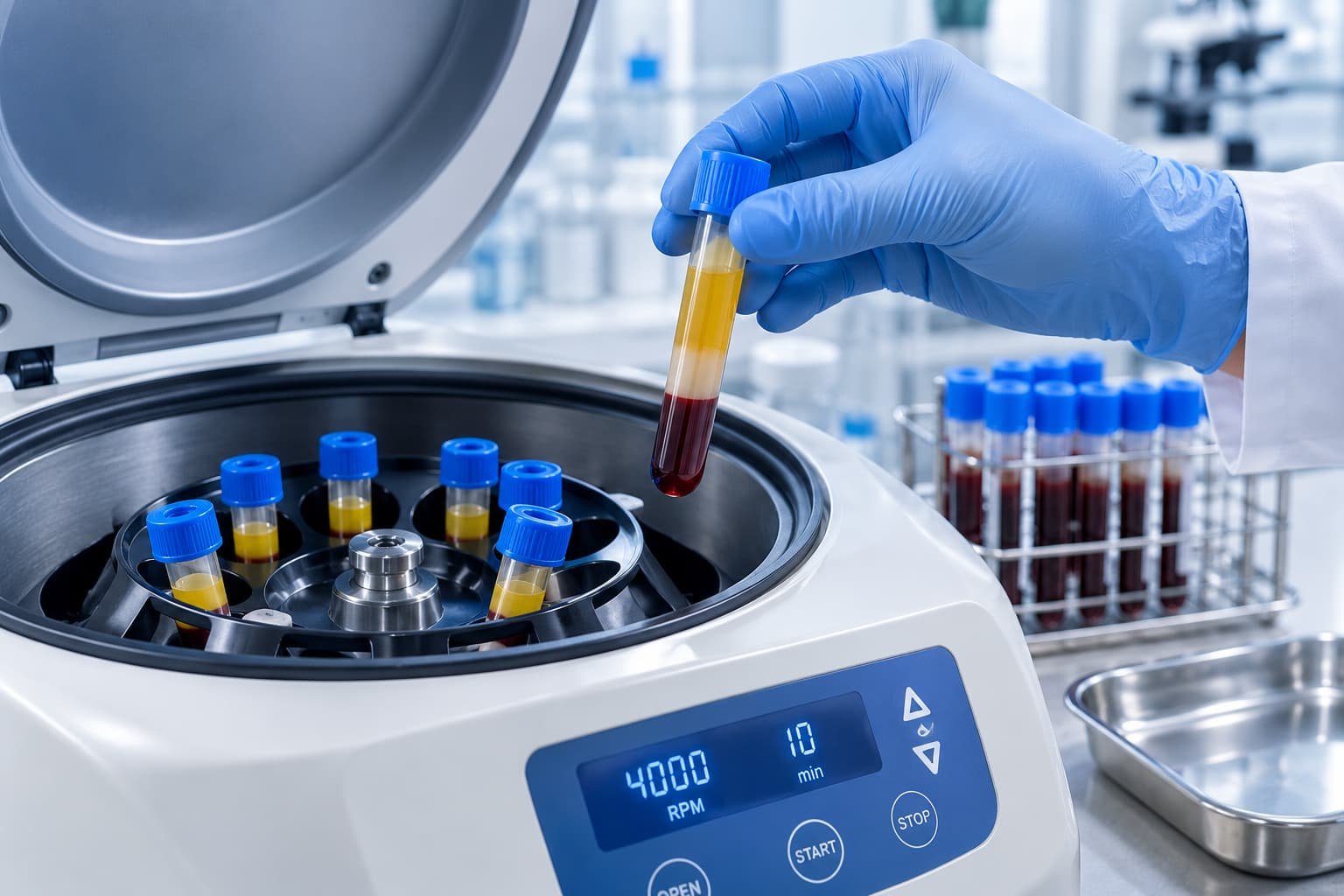
Clinics do not prepare all platelet-rich plasma to the same standard. The platelet concentration achieved during processing directly affects the volume of growth factors delivered to treated tissue. A single-spin centrifuge process typically yields a lower platelet concentration than a validated dual-spin protocol. Clinics using unregulated or poorly maintained equipment may produce inconsistent PRP quality between sessions, which can affect P Shot Success Rates independently of any patient-related factor.
Peer-reviewed literature on PRP therapy across multiple specialities, including orthopaedics, consistently highlights processing standardisation as a variable affecting outcomes. Patients considering P-shot treatment should ask a prospective clinic how it processes PRP and whether the equipment used is clinically validated.
Factor Three: Practitioner Skill and Injection Technique
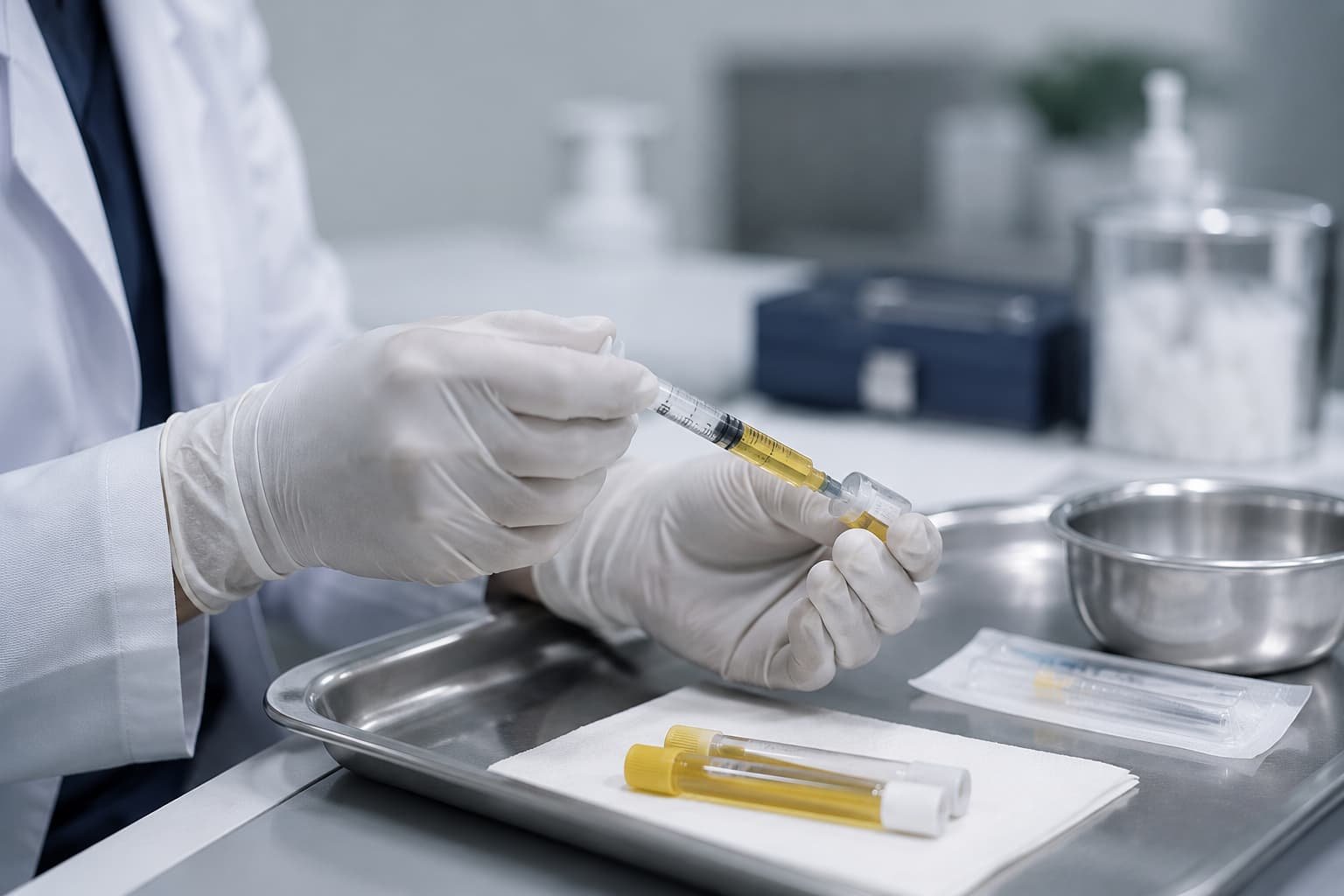
Injection technique influences both safety and outcome. Accurate placement of PRP within specific anatomical structures of the penis sits at the centre of the treatment’s proposed mechanism. A clinician with limited experience in penile anatomy may distribute plasma less precisely, potentially reducing efficacy or increasing the risk of bruising and uneven results.
Cleveland Clinic advises patients to ask about a practitioner’s specific experience and qualifications before proceeding with any P injection. In the UK, anyone comparing providers can reasonably check General Medical Council registration and relevant training in men’s sexual health.
Factor Four: Number and Spacing of Sessions
PRP works through a gradual biological process rather than an immediate pharmacological effect. This means P Shot Success Rates may differ depending on whether a patient receives a single session or a planned course of treatment. Some clinics recommend a single annual session. Others suggest an initial course plus a maintenance appointment. The industry has no standardised, universally agreed protocol, and current evidence does not clearly establish an optimal number of sessions for every patient.
Patients should ask a prospective clinic how many sessions it typically recommends for a similar case, and why, rather than accepting a fixed package without explanation.
Factor Five: Realistic Expectations and Psychological Factors
Erectile function has a well-documented psychological component. Anxiety, performance-related stress, and unrealistic expectations can all affect how a man perceives treatment outcomes, independent of any physiological change. Exaggerated marketing claims, such as guaranteed permanent enlargement, shape expectations in ways that make disappointment more likely, regardless of how the tissue itself has responded to treatment.
A thorough consultation addresses this directly. Clinicians who explain clearly what PRP therapy can and cannot achieve support more accurate patient expectations, which in turn shapes how patients perceive and report success.
Factor Six: General Health and Lifestyle

General health measurably affects tissue healing and vascular function, both relevant to how the body responds to PRP therapy.
● Smoking reduces blood flow and impairs tissue healing
● Poorly controlled diabetes affects nerve and vascular function
● Excess alcohol intake reduces erectile function
● Low testosterone can independently affect sexual performance
● Obesity raises cardiovascular risk factors relevant to erectile dysfunction
NHS guidance on erectile dysfunction consistently highlights lifestyle modification as a first-line consideration. Men who address modifiable risk factors alongside PRP therapy may support more favourable outcomes, although large-scale controlled trials specific to the P-shot have not established this.
Factor Seven: Adherence to Aftercare Guidance
Aftercare has a direct bearing on healing and, by extension, on outcomes. Clinics typically advise patients to avoid strenuous activity and sexual intercourse for a short period after treatment, allowing the treated tissue to recover without additional mechanical stress.
Ignoring aftercare advice may increase the risk of bruising, swelling, or uneven healing, which can in turn affect how a patient perceives P Shot Success Rates. Clear written aftercare instructions, rather than verbal guidance alone, help patients follow recommendations accurately once at home.
Priapus Shot London: Non-Surgical Treatment for Erectile Dysfunction
The Priapus shot London market has expanded alongside growing interest in non-surgical treatment for erectile dysfunction across London and the wider UK. As a natural ED treatment using PRP therapy, the P-shot appeals to men who prefer to avoid long-term medication or surgical intervention. Regulators classify it as a regenerative, PRP-based therapy for ED, not a licensed pharmaceutical or surgical treatment. This distinction matters for setting realistic expectations, since the evidence base for regenerative injectable therapies remains generally smaller than for established erectile dysfunction treatment London options, such as oral PDE5 inhibitors.
Priapus Shot Price and Value Considerations
Priapus shot price varies across UK clinics, and cost alone does not reliably indicate likely outcome. When comparing male enlargement injections cost UK-wide, patients should weigh price against processing standards, practitioner qualifications, and whether follow-up review appointments sit within the quoted fee.
A lower P shot UK price may reflect reduced PRP processing quality or less experienced practitioners, both recognised factors affecting outcome. Patients should assess value on clinical governance, not price alone.
P Shot Before and After: Interpreting Results Responsibly
Interest in P shot before and after material is common among men researching this treatment. However, P-shot before and after images represent individual cases; patients cannot use them to predict outcomes for anyone else. Lighting, positioning, and selective presentation all influence photographic material, none of which reflect the biological factors that genuinely drive penile injection growth outcomes. A responsible clinic presents such material cautiously and encourages patients to base decisions on clinical assessment rather than imagery.
How PRP Is Thought to Work Biologically
Understanding the proposed biological mechanism helps explain why outcomes build gradually rather than appearing immediately after treatment. Researchers have described several overlapping processes associated with platelet-rich plasma therapy across multiple fields of medicine.
● Angiogenesis: the formation of new small blood vessels, which may improve local blood supply
● Collagen and connective tissue support: potentially relevant to tissue structure and firmness
● Nerve fibre repair: proposed to support sensitivity in some patients
● Anti-inflammatory activity: thought to reduce localised inflammation and scar tissue formation
Orthopaedic and dermatological uses of PRP document these mechanisms well, drawing on a larger evidence base. Their relevance to penile tissue remains plausible, though large-scale clinical trials have established it less thoroughly. This distinction matters for understanding why treatment outcomes cannot yet carry the same certainty as therapies backed by extensive randomised trial data.
Common Misconceptions About Treatment Outcomes
Several misconceptions circulate online about this treatment, often because promotional material drives them rather than clinical evidence.
● A single published percentage applies to every patient
● The P-shot guarantees a permanent size increase
● Results always appear within days of treatment
● All PRP preparations carry equal concentration and effectiveness
Each of these claims oversimplifies a treatment that current evidence describes as variable and still developing. A responsible clinic corrects these misconceptions during consultation rather than reinforcing them through marketing content.
Factor Eight: Age and Baseline Vascular Health
Age influences vascular health, tissue elasticity, and baseline erectile function, all of which affect how a man responds to PRP therapy. Older patients with established vascular changes may see more modest improvement than younger men with primarily lifestyle-driven erectile difficulties. This does not exclude older men from treatment, but clinicians should calibrate expectations to individual vascular health rather than age alone. A cardiovascular health check, in line with NHS guidance, is a reasonable precursor to any elective sexual health treatment in men over 40.
What the Evidence Currently Shows
Peer-reviewed literature on PRP for erectile dysfunction remains an emerging field. Some trials, including small randomised studies, have reported measurable improvement in erectile function scores at defined follow-up points. Other reviews highlight inconsistent methodology and small sample sizes across the existing research base.
NHS and NICE resources do not currently list the P-shot as a recommended treatment pathway for erectile dysfunction. This does not mean the treatment lacks value for every patient, but it does mean the current weight of evidence does not support claims of guaranteed success.
Researchers need larger, well-controlled trials before they can draw firm conclusions about which patients benefit most, and by how much. We encourage men to view the P-shot as an area of active clinical interest rather than a fully established treatment, and to make decisions accordingly, in discussion with a qualified clinician.
Choosing a Clinic to Support Better Outcomes
Since so many variables affecting P Shot Success Rates relate directly to clinic standards, choosing a provider carefully gives patients a practical way to influence their own outcome. Useful questions include:
● What qualifications does the treating clinician hold?
● How does the clinic process PRP, and using what equipment?
● How many P-shot procedures has the clinic performed?
● What follow-up review does the treatment price include?
● What complication rates has the clinic recorded?
Pshots clinic UK, a Harley Street clinic led by Dr Syed Nadeem Abbas, offers this treatment in London. Dr Abbas holds an MSc in Aesthetic Plastic Surgery with Distinction from Queen Mary University London. Verifying clinician credentials and asking direct questions about PRP processing remain practical steps for anyone comparing providers of P-shot treatment.

Frequently Asked Questions
What is considered a successful P-shot outcome?
Success varies by patient and may include firmer erections, improved sensitivity, or reduced Peyronie’s disease curvature. No single measure applies to every case.
Do P Shot Success Rates apply equally to all men?
No. Outcomes depend on the underlying cause of erectile dysfunction, general health, PRP quality, and practitioner technique, among other factors.
Can lifestyle changes improve P-shot outcomes?
Addressing modifiable risk factors, such as smoking and poorly controlled diabetes, may support better tissue healing. Large-scale trials specific to the P-shot have not confirmed this.
Is the P-shot more effective than PDE5 inhibitor medication?
Current evidence does not establish the P-shot as more effective than licensed oral medication. NICE continues to recommend PDE5 inhibitors as a first-line treatment for most men.
How many sessions are usually needed?
No universally agreed protocol exists. Some clinics recommend a single annual session, while others suggest an initial course plus a maintenance session.
Does the priapus shot price reflect treatment quality?
Not necessarily. Patients should assess price alongside PRP processing standards, practitioner experience, and included follow-up care, rather than in isolation.
Key Takeaways
P Shot Success Rates depend on a combination of medical, procedural, and personal factors rather than a single fixed outcome. Understanding these variables supports more informed, realistic decision-making than relying on marketing claims alone. We encourage men considering this treatment to seek a thorough consultation, ask detailed questions about clinical standards, and weigh the P-shot against established NHS and NICE-recommended pathways for erectile dysfunction. Given how many of these factors sit within a patient’s own control, which of them matters most in an individual case?
Read more: Platelet-Derived Growth Factor in PRP: How It Helps Repair Penile Tissue
What Is the Corpus Cavernosum and How Does the P-Shot Target It?