Medical Conditions That May Rule Out P Shot Treatment

✅Medically reviewed | Updated August 2026
Erectile dysfunction affects a significant proportion of men across the United Kingdom, and interest in regenerative, non-surgical options continues to grow year on year. P shot treatment, widely known as the Priapus shot, uses platelet-rich plasma drawn from a patient’s own blood to support penile tissue and blood flow. Clinics across London, including several on Harley Street, now offer this injection alongside long-established medical therapies for sexual health. Not every man qualifies for this procedure, however, and this point receives far less attention than the treatment itself. Certain health conditions can rule out this treatment entirely, while others require careful medical management before any injection proceeds. This article sets out the medical conditions that affect eligibility, explains the screening process used ahead of treatment, and outlines the realistic outcomes patients should expect from PRP-based regenerative therapy for ED. The discussion also covers Priapus shot price considerations and where P shot UK regulation currently stands, since informed decision-making depends on both medical and practical context.
What Is P Shot Treatment?
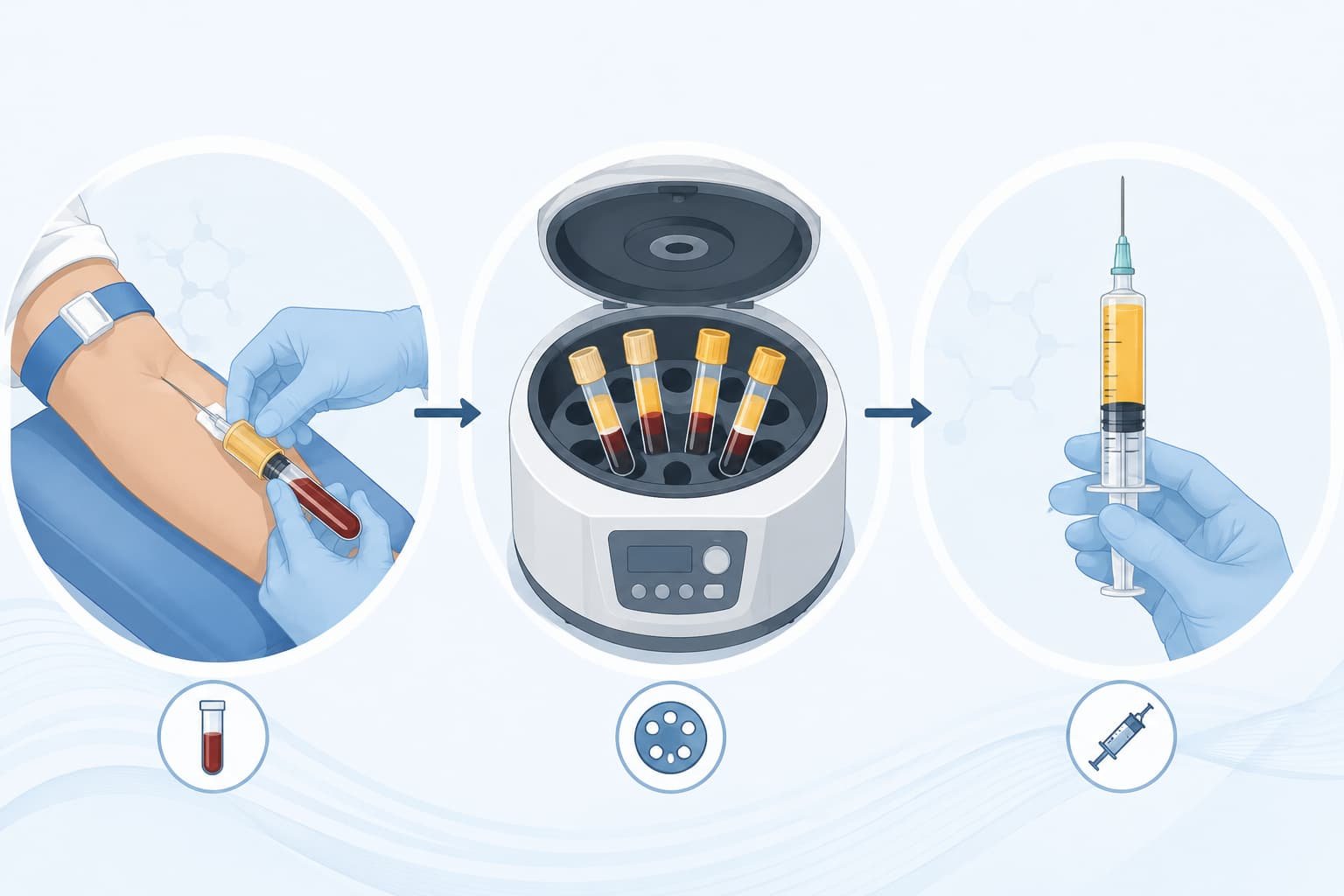
This procedure, sometimes written as P-shot or Pshot, is a non-surgical injection performed under local anaesthetic. A clinician draws a small blood sample from the arm, much like a routine blood test. This sample enters a centrifuge, which separates platelet-rich plasma (PRP) from red blood cells and other components. The concentrated PRP contains growth factors thought to support tissue repair and new blood vessel formation. A trained practitioner then injects this PRP into specific areas of the penis, targeting tissue associated with erectile function and sensation.
Providers describe the Priapus shot as a form of PRP-based regenerative therapy for ED, distinct from oral medication or surgical intervention. The National Institute for Health and Care Excellence (NICE) has not issued formal guidance approving PRP injections for erectile dysfunction as standard care. NHS treatment pathways for ED prioritise oral medication, vacuum devices, and surgical options where appropriate. Clinics offering the penis shot in London typically position it as a complementary or second-line option, considered once standard investigations rule out serious underlying disease such as cardiovascular disease or uncontrolled diabetes.
Evidence Base and Regulatory Status in the UK
Peer-reviewed medical literature on PRP injection for erectile dysfunction remains at an early stage. Several small studies report improvement in erectile function scores, yet reviewers consistently note methodological limitations, including absent control groups and short follow-up. NICE has not published a technology appraisal specifically covering P shot UK use, and the treatment sits outside NHS-funded pathways as a result. Regulatory bodies classify PRP preparation devices as medical equipment, which means individual clinics bear responsibility for safe, appropriate use rather than a central licensing body approving the procedure itself for this indication. Patients researching P shot UK options should ask any prospective clinic which published studies inform its practice, rather than relying solely on marketing material or anecdotal testimonials.
Who Typically Considers This Treatment?
Men exploring non-surgical treatment for erectile dysfunction in London often turn to the P-shot after oral medications produce limited or inconsistent results. Others pursue treatment for reduced penile sensitivity, mild curvature, or broader sexual wellness concerns rather than erectile dysfunction alone. Some men research male enlargement injections cost UK figures out of curiosity about penile injection growth claims, though evidence supporting size increase remains limited. Searches for P shot London providers have increased steadily, reflecting broader interest in regenerative sexual health treatments across the capital, though rising search volume does not itself confirm clinical effectiveness. Suitability depends primarily on overall health rather than age, symptom severity, or personal motivation. A thorough medical history, focused physical examination, and relevant blood tests should always precede any injection appointment.
Medical Conditions That May Rule Out P Shot Treatment
Several recognised health conditions affect whether a man can safely receive this injection. Some conditions rule out the procedure completely on safety grounds. Others require treatment, stabilisation, or specialist clearance before a clinician reconsiders candidacy for a P injection.
Bleeding and Clotting Disorders
Men with haemophilia, von Willebrand disease, or other inherited bleeding disorders face elevated risk during any injection-based procedure. PRP preparation and the subsequent injection both carry a genuine, if small, bleeding risk at the puncture site and within penile tissue. A diagnosed bleeding disorder generally rules out P shot treatment unless a haematologist confirms the condition sits under stable, well-managed control. Excessive bruising or prolonged bleeding after minor injuries forms part of routine screening questions.
Active Infection
Local or systemic infection meaningfully increases the risk of complications following any injectable procedure. An active urinary tract infection, sexually transmitted infection, or skin infection near the intended injection site postpones treatment until resolution. Clinicians typically require documented infection clearance and a short follow-up review before proceeding with a P shot, since introducing PRP into infected tissue risks spreading bacteria further.
Blood Cancers and Platelet Disorders
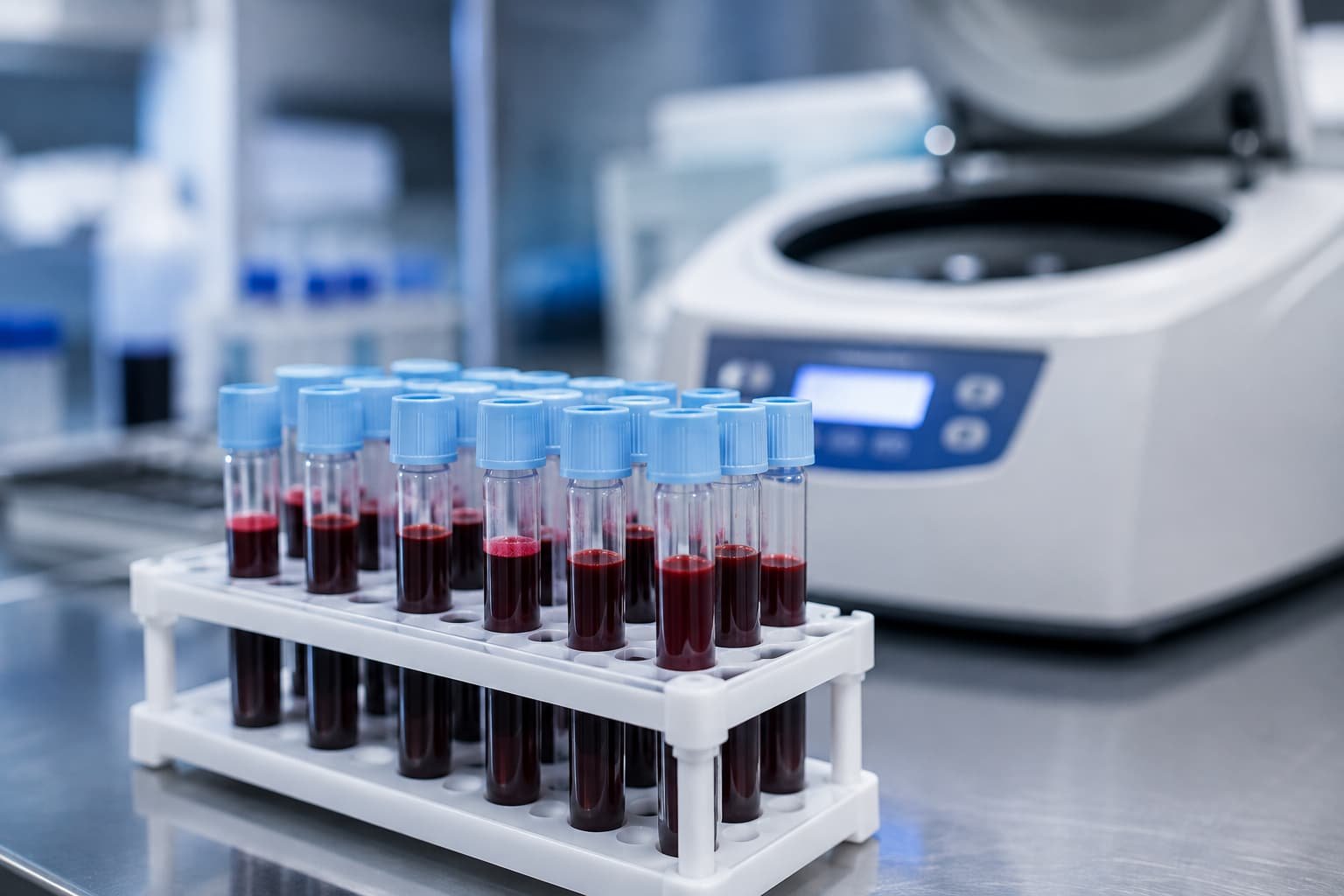
Leukaemia, lymphoma, and other blood cancers alter platelet count and platelet function throughout the body. Thrombocytopenia, a condition involving abnormally low platelet counts, reduces the concentration and quality of the PRP sample itself. These conditions compromise both patient safety and the potential effectiveness of PRP-based regenerative therapy for ED. A full blood count typically forms a routine part of pre-treatment screening for this reason.
Active Malignancy
A current cancer diagnosis, particularly one involving the genitourinary system, generally excludes a patient from this procedure. Growth factors within platelet-rich plasma support cell proliferation and tissue growth, which raises theoretical concern regarding active malignant cells nearby. Oncology clearance represents standard practice before any regenerative injection in men with a recent or ongoing cancer history, including prostate cancer survivors.
Severe Peyronie’s Disease With Advanced Fibrosis
Peyronie’s disease involves abnormal scar tissue formation within the penis, causing curvature, indentation, or pain during erection. Mild, early-stage cases sometimes receive PRP as part of a broader, individualised management plan. Advanced fibrosis with significant plaque formation often responds poorly to injection therapy and may instead require surgical referral or established pharmacological treatment.
Uncontrolled Diabetes
Diabetes affects wound healing, immune response, and circulation throughout the body, including penile tissue. Poorly controlled blood glucose levels increase infection risk and slow tissue recovery following any injection procedure. Clinicians typically request a recent HbA1c result and may defer treatment until glucose control improves to a safer threshold.
Autoimmune Conditions and Immunosuppression
Autoimmune diseases and immunosuppressive medications alter how tissue heals and how it responds to concentrated growth factors. Men taking immunosuppressants following organ transplantation, or managing conditions such as lupus or rheumatoid arthritis, require careful, case-by-case assessment. A treating rheumatologist or transplant physician often needs to confirm suitability before a clinic proceeds with treatment.
Anticoagulant and Antiplatelet Medication
Warfarin, direct oral anticoagulants, and antiplatelet drugs such as clopidogrel increase bruising and bleeding risk around any injection site. Men on long-term anticoagulant therapy require formal medical review before any P shot procedure, and some require temporary, specialist-supervised adjustment rather than independent cessation of prescribed medication.
Psychiatric Conditions and Unrealistic Expectations
Body dysmorphic disorder and unrealistic expectations around penile enlargement injections present a different, equally important type of contraindication. Clinicians assess psychological readiness alongside physical health during consultation. A patient expecting substantial, permanent size increase from penile injection growth procedures receives clear, honest counselling before treatment, and some patients receive a recommendation against proceeding altogether.
Why Screening Matters Before Treatment

Thorough screening protects patient safety and establishes realistic expectations from the outset. A responsible clinic never proceeds with P-shot treatment without a documented medical history and relevant investigations. Screening typically covers current medications, known allergies, previous surgeries, and any personal or family history of bleeding or clotting disorders. Blood tests may include a full blood count and, where clinically relevant, hormone panels to identify underlying causes of erectile dysfunction rather than treating symptoms in isolation.
This screening process distinguishes established medical clinics from less rigorous providers operating in the same market. Reputable Priapus shot London clinics decline treatment when genuine contraindications exist, rather than proceeding regardless of individual risk factors.
Non-Surgical Treatment for Erectile Dysfunction in London
London offers a wide range of ED treatment pathways, spanning NHS-managed medication reviews and private regenerative medicine clinics. Erectile dysfunction treatment London services generally begin with investigation into underlying causes, including cardiovascular disease, diabetes, and hormonal imbalance, before any injectable intervention. This injection sits within a broader clinical toolkit rather than functioning as a standalone cure for erectile dysfunction. Many clinicians combine PRP injection with lifestyle modification, medication review, or complementary regenerative approaches such as shockwave therapy.
Natural ED treatment using PRP therapy appeals to men seeking to avoid daily medication or invasive surgical intervention. Current clinical evidence remains limited in scale and quality, and responsible clinics communicate this openly rather than presenting PRP injections as a guaranteed solution for every patient.
What Happens During a P Shot London Consultation
A typical P shot London consultation lasts between thirty and sixty minutes, allowing time for a full medical history alongside physical examination. Clinicians discuss previous treatments for erectile dysfunction, including any prior use of oral medication or vacuum devices. Photographs may be taken for clinical records, with explicit consent, to allow objective comparison at follow-up. Patients receive written information covering risks, expected sensations during injection, and post-procedure care instructions. This structured approach reduces the likelihood of complications and supports informed consent throughout the process.
How Priapus Shot London Clinics Assess Candidacy
A structured consultation typically opens the process for any Priapus shot London appointment. This consultation includes a detailed review of erectile function history, relevant medical conditions, and current medication use, alongside relevant lifestyle factors such as smoking status. Clinicians examine the penis for signs of curvature, plaque, or infection before confirming candidacy. Blood tests confirm platelet function and help rule out the contraindications discussed throughout this article.
Mr Syed Nadeem Abbas, who leads the Harley Street-based pshots clinic UK, clinic in Marylebone, London, follows this structured screening approach before any P shot procedure. This factual detail illustrates how one Harley Street practice integrates medical screening into candidacy assessment, without implying guaranteed treatment outcomes for any individual patient.
Priapus Shot Price and Access Considerations
Priapus shot price varies considerably between London clinics, depending on practitioner experience, PRP processing technology, and the number of sessions recommended for an individual case. Male enlargement injections cost UK figures typically span a broad range across the private sector, and patients should request a written cost breakdown before committing to any treatment plan. Cost alone should never override a thorough medical screening process when determining suitability for treatment involving PRP injection.
P Shot Before and After: Realistic Expectations
P shot before and after photographs circulate widely online, often shared without meaningful clinical context or standardised measurement. A single case does not represent a guaranteed or typical outcome for this treatment. Photographic comparisons vary considerably by lighting, camera angle, positioning, and the time elapsed since injection, all of which limit their reliability as clinical evidence.
Published research on P injection procedures for erectile dysfunction remains limited in volume and methodological quality. Existing studies generally involve small sample sizes and relatively short follow-up periods, which restricts confident conclusions about long-term benefit. Men reviewing P-shot before and after comparisons should treat marketing images as illustrative rather than predictive of personal results. A realistic, evidence-based conversation about expected outcomes forms an essential part of informed consent before any Priapus shot proceeds.
Alternatives When This Treatment Is Not Suitable

Men who do not qualify for this treatment still have several evidence-supported alternatives available. Oral phosphodiesterase inhibitors remain a first-line, NHS-recommended treatment for many men presenting with erectile dysfunction. Vacuum erection devices offer a non-invasive mechanical alternative with an established safety record. Intracavernosal injections using licensed medications provide another established, well-studied treatment pathway. Surgical options, including penile implants, suit men with severe or treatment-resistant erectile dysfunction unresponsive to conservative measures. A qualified clinician reviews individual circumstances thoroughly before recommending any specific alternative pathway.
Frequently Asked Questions
Does high blood pressure rule out P shot treatment?
Well-controlled hypertension does not automatically exclude a patient from treatment. Clinicians assess overall cardiovascular health and current medication before confirming suitability for the Priapus shot.
Can men with Peyronie’s disease receive a P-shot?
Mild, early-stage cases sometimes proceed with careful clinical monitoring. Advanced fibrosis or significant curvature typically requires alternative management instead of PRP injection.
Is the Priapus shot available on the NHS?
No. The NHS does not currently fund PRP injections for erectile dysfunction, since NICE has not approved this specific indication for routine use.
How does a clinic confirm candidacy for the Priapus shot?
A medical history review, focused physical examination, and relevant blood tests together confirm candidacy before any P shot procedure begins.
Does age affect eligibility for treatment?
Age alone does not determine eligibility for a P injection. Underlying health conditions carry considerably more weight than chronological age during medical screening.
Key takeaways
Careful medical screening determines whether P shot treatment represents a safe option for any individual patient. Bleeding disorders, active infection, certain cancers, uncontrolled diabetes, and specific medications each carry the potential to rule out this procedure entirely. Reputable clinics prioritise thorough assessment over rapid treatment uptake, placing patient safety above commercial interest at every stage. Evidence supporting PRP injection for erectile dysfunction continues to develop, and current data remains preliminary rather than conclusive across the wider medical literature.
Men considering this treatment should seek a detailed medical consultation, ask direct questions about personal contraindications, and request full transparency around realistic, evidence-based outcomes. Given the current strength of the evidence base, how much weight should photographic testimonials really carry in a medical decision this personal?
Read more: Who Is NOT a Good Candidate for the P-Shot? A Clinical Guide