
Bruising after any injectable treatment often raises concern. Even when the response is entirely expected, worry is common. P Shot bruising is one of the most frequently asked questions at clinics offering P shot London services. The question comes up before appointments and after treatment alike. The Priapus Shot, commonly known as the P Shot, uses platelet-rich plasma drawn from a patient’s own blood. The procedure involves multiple fine-needle injections into a highly vascular area. Some degree of bruising is therefore a predictable part of recovery, not a complication. Confusion between ordinary healing and a genuine warning sign leads to problems either way. Some patients worry unnecessarily. Others overlook symptoms that need review. Distinguishing normal bruising after treatment from bruising that needs clinical attention protects patient safety. It also supports realistic expectations from the outset.
This article sets out, in clear clinical terms, what typical bruising looks like. It covers how long bruising lasts, which factors increase the risk, and which signs justify prompt review. It also places bruising within the wider picture of P shot treatment, covering realistic outcomes and evidence limitations.
What Is the P Shot and Why Bruising Occurs
How the P Shot Procedure Works
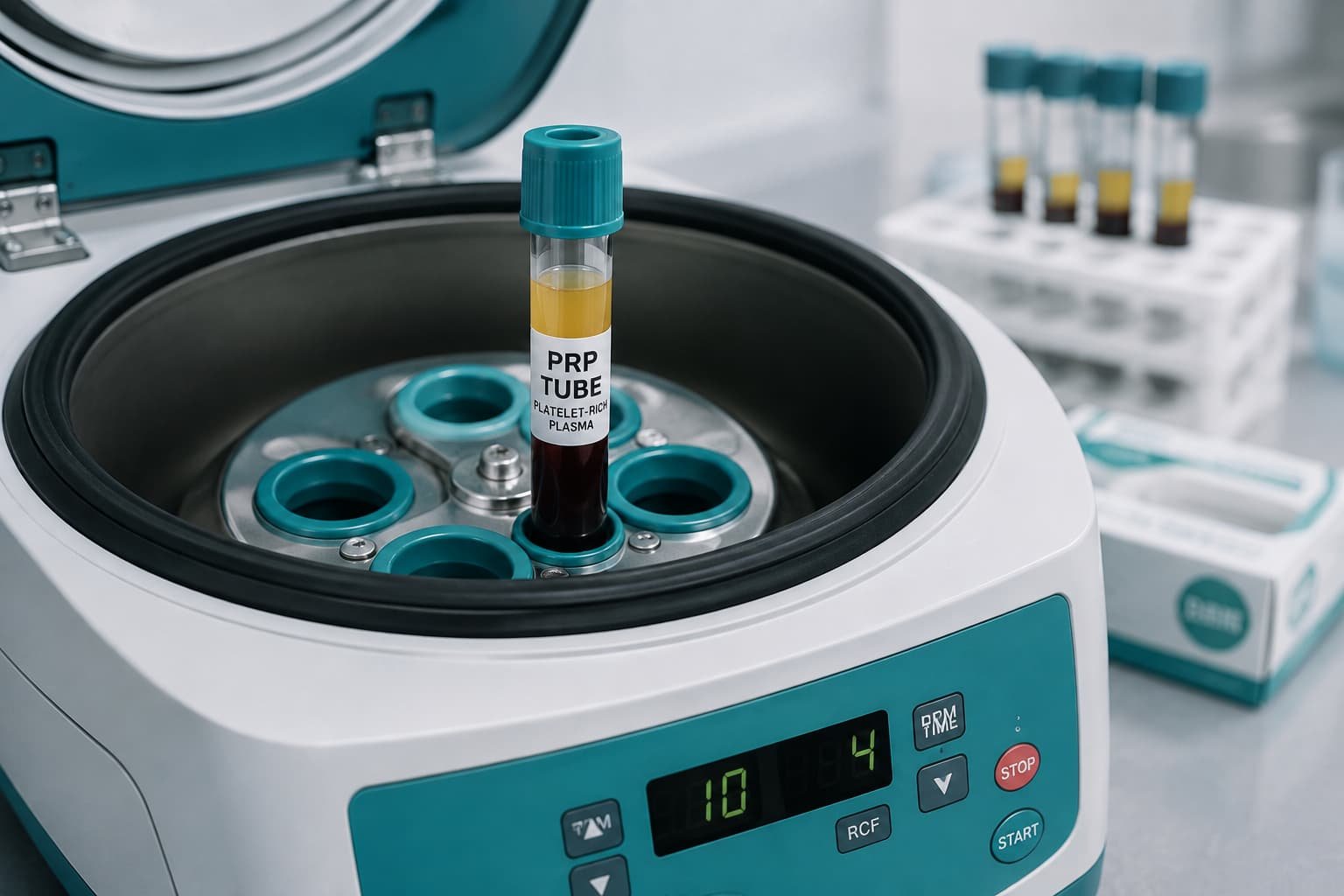
P shot treatment begins with a standard blood draw, similar to a routine blood test. The sample then undergoes centrifugation, a spinning process. This process separates and concentrates platelets into platelet-rich plasma, or PRP. Platelets contain growth factors that support tissue repair. These growth factors also encourage new blood vessel formation in the treated area. The concentrated PRP is then injected into specific areas of the penis using a fine needle. Several injection points are usually required to distribute the PRP evenly. This penile injection growth technique aims to stimulate localised cellular regeneration. It does not deliver an external substance into the body. Because the PRP originates from a patient’s own blood, immune rejection is not a significant concern.
Why Bruising Follows a P Shot
Bruising, medically termed ecchymosis, develops when a needle disrupts small blood vessels. These vessels sit beneath the surface of the skin. Blood escapes into the surrounding tissue and becomes visible as discolouration. The penis contains a dense network of blood vessels close to the skin’s surface. This rich vascular supply makes minor P Shot bruising more visible than bruising elsewhere on the body. Bruising, in itself, is not evidence of a poorly performed procedure. It reflects a normal tissue response to a fine-needle p injection in sensitive, well-vascularised tissue. Clinics offering Priapus Shot London treatment routinely explain this expected response during consultation.
Normal Bruising: What to Expect
How Common Is Bruising After a P Shot
Some degree of visible bruising is a widely reported response to P shot treatment. The procedure relies on multiple fine-needle passes into vascular tissue. Complete avoidance of any bruising is therefore unrealistic to promise. Clinics offering P shot London appointments generally describe bruising as expected and manageable. It is not a rare or unusual event. The extent varies between patients, ranging from barely noticeable marks to more visible patches. Visible patches can last up to two weeks in some cases. This variation depends on individual vascular anatomy and medication use. The precision of the injection technique also plays a meaningful role.
Typical Timeline for Bruising to Resolve
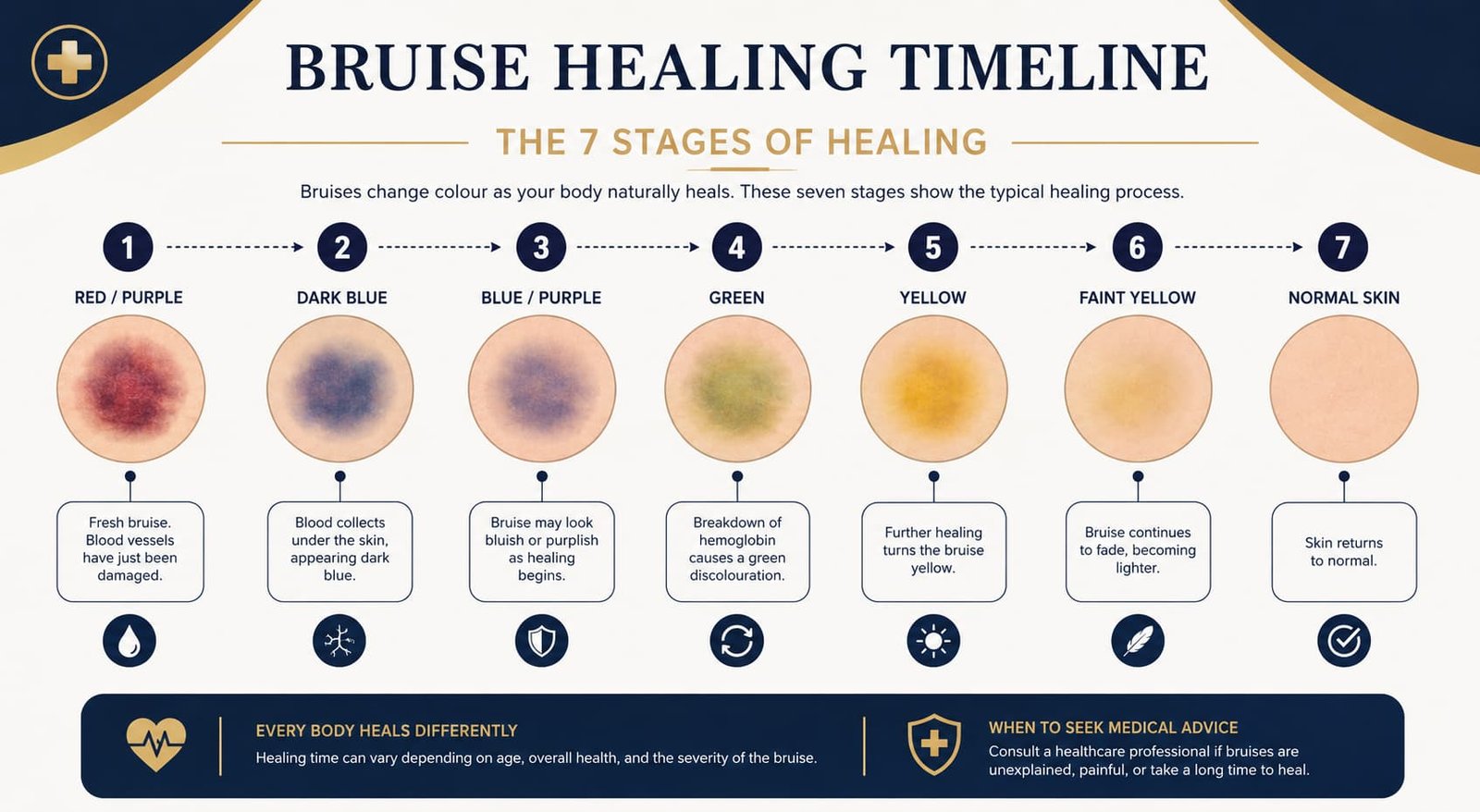
Most cases of P Shot bruising follow a broadly predictable pattern. Discolouration typically appears within the first one to two days. Colour then progresses through a recognised sequence. Red or purple marks appear early, shifting to blue, then green, then yellow. Fading is usually complete soon after this final stage. This colour change reflects the natural breakdown of blood pigments in tissue, a process described in general NHS bruise guidance. This bruising generally resolves within seven to fourteen days without requiring specific medical treatment. Swelling from the procedure usually peaks within the first 48 hours. It then steadily reduces over the following days.
Accompanying Symptoms During Healing
Mild tenderness at injection sites commonly accompanies visible bruising. This tenderness is best described as a dull ache, not sharp pain. It usually settles within two to three days. Simple paracetamol can help manage discomfort where required, following standard dosing guidance. Localised warmth and slight firmness beneath the skin may also occur. These symptoms are typically temporary during early healing. Accompanying symptoms generally improve alongside the bruising itself, rather than persisting once discolouration has faded.
What Counts as a Mild Reaction
A mild reaction after this p injection includes small, scattered areas of discolouration. Swelling stays minimal, and tenderness eases day by day. Reactions of this kind do not usually interfere with daily activities. Most patients return to normal routines within one to two days. Any adjustment made is for comfort, rather than medical necessity.
Abnormal Bruising: Signs That Need Attention
When Bruising Falls Outside the Expected Pattern
Some presentations after treatment sit outside the range of expected P Shot bruising. These warrant closer clinical review. A bruise that expands rapidly, rather than stabilising and fading, requires assessment. Pain that intensifies rather than easing over several days is not typical. Bruising accompanied by fever, spreading redness, or increasing warmth needs prompt attention. Discharge from an injection site may also indicate infection rather than simple vascular trauma.
Haematoma Versus Standard Bruising
A haematoma differs from standard bruising in both scale and structure. It forms when a larger blood vessel is disturbed during injection. This creates a firm, well-defined collection of blood beneath the skin. A haematoma tends to feel more solid and localised than typical P Shot bruising. It also often takes longer to fully resolve. Most haematomas settle gradually without intervention. Clinical monitoring remains advisable throughout recovery, however. Persistent firmness lasting beyond several weeks should prompt a follow-up consultation.
Altered Sensation and Numbness
Temporary changes in sensation occasionally accompany bruising after a P shot treatment. This includes mild numbness or heightened sensitivity in the treated area. Dense nerve distribution in this area makes brief sensory changes unsurprising. In most cases, sensation returns to normal as healing progresses. Sensory changes persisting beyond several weeks should be discussed with the treating clinician. These should not be assumed to be routine.
Risk Factors That Increase Bruising
Certain factors increase the likelihood or extent of bruising after any injection. Anticoagulant and antiplatelet medications reduce clotting efficiency and raise bruising risk. This includes aspirin, warfarin, and similar drugs. Some herbal supplements, such as fish oil and ginkgo biloba, carry comparable effects. Ageing skin has thinner tissue and reduced blood vessel support. It tends to bruise more readily than younger skin. Smoking can impair circulation and slow the clearance of bruising. A full medical history review before treatment identifies patients at higher risk. This allows adjustments to the treatment plan where appropriate. None of these factors rule out treatment outright. Each is simply weighed during pre-treatment assessment.
Managing Bruising After Treatment
Immediate Aftercare Steps
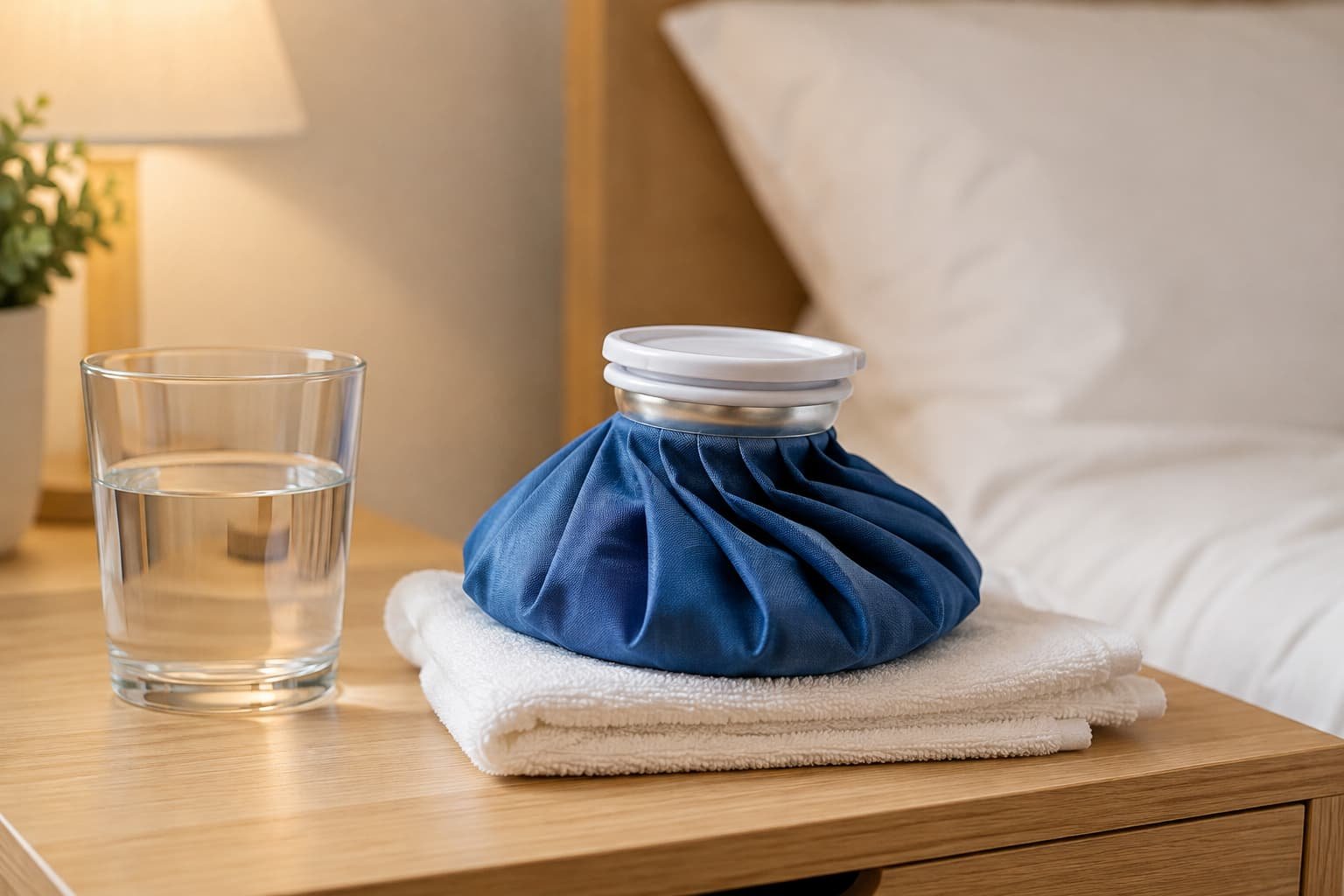
Simple aftercare measures support faster, more comfortable resolution of bruising. A cold compress applied within the first 24 hours reduces blood flow to the area. This can help limit bruise size. Ice should never touch skin directly; a cloth barrier is required. After the first day, gentle warmth may help disperse accumulated blood. Loose, comfortable clothing reduces friction on treated tissue during early recovery.
Activity Restrictions During Recovery
Strenuous exercise and sexual activity are generally avoided for 24 to 48 hours. This precaution limits additional pressure or friction on the treated area. Most patients resume ordinary daily activity within a day or two of P shot treatment. A short period of reduced activity supports predictable, uncomplicated recovery. It also reduces the likelihood of prolonged bruising.
Monitoring Progress at Home
Photographing the treated area on the day of the procedure is useful. A further photograph after a few days allows practical comparison as healing progresses. Tracking a P Shot before and after sequence helps distinguish fading bruising from a bruise that is worsening. Any deviation from steady, gradual improvement is a reasonable prompt for contact. Reaching out to the treating clinic early is always the sensible option.
Reducing the Risk of Bruising Before Treatment
The Role of Practitioner Skill
Injection technique has a direct bearing on bruising risk. Precise knowledge of penile vascular anatomy reduces the chance of disturbing a larger vessel. Slower, controlled injection speed also lowers the risk of pronounced bruising. Careful needle placement plays an equally important role. Practitioners with formal surgical training bring added anatomical precision to this stage of P shot treatment.
Pre-Treatment Preparation
Temporary adjustment of certain medications can reduce bruising risk ahead of treatment. This should only ever be carried out under medical guidance. Prescribed anticoagulants should never be stopped without discussing this with the prescribing doctor. Avoiding alcohol in the 24 hours before treatment may also help. Alcohol can affect normal clotting function. A thorough pre-treatment consultation identifies individual risk factors before any P injection is administered.
What Consultation Should Cover
A proper consultation ahead of any P shot treatment covers current medication and relevant medical history. Previous reactions to injections of any kind are also discussed. Realistic outcome discussion forms part of this process. This includes a clear explanation of expected recovery and typical bruising patterns. Written aftercare guidance, provided before treatment, allows preparation in advance. Patients travelling for a P shot UK appointment from outside London benefit particularly from receiving this guidance early.
Bruising in the Wider Context of Safety and Evidence
Evidence Base for PRP-Based Treatment
The P Shot belongs to a broader category of PRP-based regenerative therapy for ED. Current evidence describes PRP-based interventions as an emerging option. This includes guidance summarised by NICE Clinical Knowledge Summaries on erectile dysfunction. PRP is not considered an established first-line treatment at present. The NHS notes that recognised treatments for erectile dysfunction include lifestyle changes and oral medication. Specialist referral for further investigation is recommended where appropriate. Some men explore natural ED treatment using PRP therapy alongside these established approaches. Robust long-term trial data remains limited at present, however. Positioning the P Shot within a broader non-surgical treatment for erectile dysfunction in London helps set realistic expectations. This framing matters from the outset of any consultation.
Realistic Outcomes and Comparisons with Other Injectables
Claims of permanent penile enlargement following this procedure are not supported by current evidence. Any visible change observed shortly after treatment reflects temporary swelling and fluid retention. This is not lasting tissue growth. A responsible provider states this plainly, rather than allowing ambiguity around expected results. Pshots clinic uk, a Harley Street clinic led by Dr Syed Nadeem Abbas, offers erectile dysfunction treatment London. The service operates within a CQC-regulated clinical setting. Patients reviewing a P shot before and after comparison should understand that individual response varies considerably. Outcomes are never guaranteed. The Priapus shot price varies between providers according to practitioner experience, clinic location, and the number of sessions recommended.
PRP-based treatments are sometimes compared with dermal filler procedures used elsewhere in aesthetic medicine. Both involve injectable techniques, but the comparison has clear limits. PRP uses autologous material rather than a synthetic or cross-linked product. This distinction affects the immune response profile. It does not remove the mechanical risk of bruising, which relates to needle placement rather than the substance injected. Recognising this distinction helps set accurate expectations when comparing treatment options.
Frequently Asked Questions
How long does P Shot bruising usually last?
Most bruising following this procedure fades within seven to fourteen days. Colour progresses through the typical stages of bruise healing. It resolves completely, without leaving any lasting mark.
Is bruising a sign that the P Shot has gone wrong?
No. Mild to moderate bruising is a normal healing response. It follows a fine-needle injection into vascular tissue. Genuine concern is warranted only when bruising is severe, rapidly expanding, or accompanied by infection signs.
What increases the risk of bruising after a P injection?
Blood-thinning medication, certain supplements, and ageing skin all raise the risk. Injection technique also plays a meaningful role. A thorough pre-treatment medical history review helps identify and manage these factors in advance.
Does the Priapus shot price include follow-up care?
Pricing structures vary between clinics offering P shot treatment across the UK. A detailed consultation clarifies what any quoted Priapus shot price includes. It should also outline realistic timelines for results.
Can P shot before and after images show permanent size increase?
Visual differences shortly after treatment usually reflect temporary swelling. This is not permanent enlargement. No robust scientific evidence currently supports permanent penile enlargement resulting from PRP injection.
Who is a suitable candidate for a Priapus Shot London treatment?
Suitability depends on medical history, current medication, and the underlying reason for seeking treatment. A full clinical assessment before any P shot UK appointment determines candidacy on an individual basis.
When should bruising after treatment prompt contact with a clinic?
Contact is advisable when bruising expands rather than fades. It is also advisable when pain worsens rather than easing. Redness, warmth, or discharge suggesting infection should prompt the same response.
Key Takeaways
Understanding P Shot bruising helps set realistic, well-informed expectations before treatment begins. Most bruising is mild and follows a predictable timeline. It resolves within one to two weeks without complication in the majority of cases. Recognising the less common warning signs supports timely clinical review whenever needed. This avoids both unnecessary alarm and missed concern. Choosing a qualified practitioner reduces the likelihood of a difficult recovery. Disclosing a complete medical history and following aftercare guidance both help too. Informed decision-making remains the strongest safeguard against unnecessary worry and genuine, overlooked complications alike. Given the balance between ordinary healing and rare warning signs, what specific questions should shape a pre-treatment consultation?
Read more: P-Shot Side Effects: What Are the Real Risks?
P Shot Infection Risk: Prevention Measures and Safety Guidelines
Dr Syed Nadeem Abbas, MBBS, MRCSEd, MSc Aesthetic Plastic Surgery (Distinction) Medical Director, Pshot Clinic | CQC Regulated | Monday to Saturday 10:00–18:00 +44 7955 836986


