
✅Medically reviewed
Orgasm sits at the centre of male sexual satisfaction. Yet most clinical research studies erections rather than climax. A man can keep a firm erection and still report a flat, delayed or distant orgasm. Climax involves the brain, hormones, spinal reflexes and pelvic muscles at the same moment. A fault in one part can quietly flatten the whole response. Clinicians recognise weaker orgasms in men as a real but under-studied complaint.
Online clinics now promote the P shot for orgasm intensity as a possible solution. Marketing claims often run ahead of published data. This article tests each claim about P shot for orgasm intensity against randomised trials and recognised clinical guidance. The article first explains how male orgasm works. It then examines delayed and muted orgasms, hormonal causes, nerve-related causes and medication effects. Accurate answers sometimes disappoint, yet they protect patients from wasted cost and missed diagnoses.
Key Points
- Orgasm depends on brain signalling, hormones, spinal reflexes and pelvic nerves.
- Low testosterone, diabetes, pelvic surgery and certain medicines can blunt orgasm.
- No randomised trial has tested the P shot with orgasm intensity as the main outcome.
- Existing PRP trials in erectile dysfunction show mixed results.
- Medical assessment should come before any procedure.
How Male Orgasm Works
Orgasm combines sensation, muscle activity and brain processing. Ejaculation usually accompanies orgasm, but the two events differ. A man can ejaculate without climax, or reach climax without ejaculating.
Brain and Hormonal Control
The brain acts as the main sexual organ. Sensory input travels to the sensory cortex, while limbic regions process arousal and reward. Dopamine promotes drive and climax. Serotonin generally inhibits ejaculation. Oxytocin and prolactin rise around climax and contribute to the refractory period. Testosterone supports desire and sets the sensitivity of these pathways.
Spinal Reflex and Pelvic Nerves
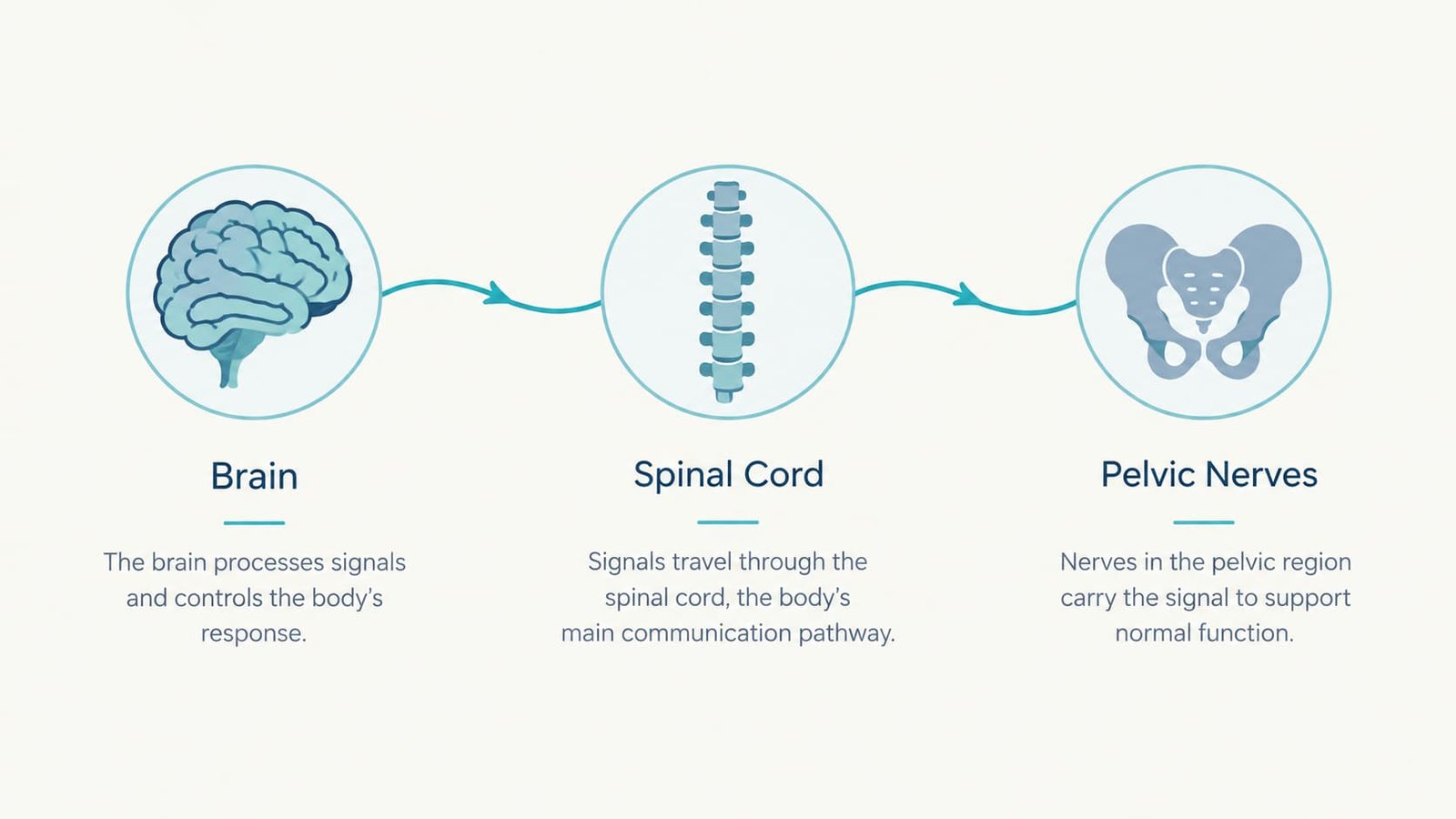
The dorsal nerve of the penis carries touch signals into the pudendal nerve. Those signals reach the sacral spinal cord. Sympathetic fibres from the lower thoracic and upper lumbar cord then trigger emission, when semen enters the urethra. Somatic fibres in the pudendal nerve trigger rhythmic contractions of the pelvic floor muscles. Those contractions drive expulsion and much of the physical pleasure.
Why Intensity Varies
Intensity reflects pelvic muscle contraction strength, nerve signalling speed and brain-level reward. Weakness at any point in this chain can blunt the whole experience. Age, stress, alcohol, fatigue and arousal level also change intensity from one occasion to the next. Repeated climaxes within a short time often feel weaker because of the refractory period.
Delayed, Muted and Absent Orgasms
Clinicians use several terms. Each describes a different problem and needs a different workup.
Muted or Weaker Orgasms
Reduced orgasm intensity describes a climax that feels shorter, flatter or less pleasurable than before. Some men also report fewer pelvic contractions or lower semen volume. No single diagnostic label covers weaker orgasms in men. Clinicians therefore rely on history-taking and validated questionnaires. The International Index of Erectile Function (IIEF) includes an orgasmic function domain for this purpose.
Timing of onset matters. Lifelong problems suggest different causes from sudden changes. Acquired changes after a new medicine, injury or illness usually point to a specific trigger.
Delayed Orgasm and Anorgasmia
Delayed ejaculation means a marked delay or inability to reach climax despite adequate stimulation. Anorgasmia means no climax at all. Most estimates place delayed ejaculation at a low single-digit percentage of men. Rates rise with age and with certain medicines.
Orgasm Versus Sensitivity
Sensitivity describes how strongly touch registers. Orgasm describes the climax itself. The two overlap, yet each has separate causes. Reduced penile sensitivity during sex covers dulled touch. Penile sensitivity loss during sex covers gradual loss of feeling. Both articles address sensation. This article addresses climax.
Hormonal Causes of Reduced Orgasm Intensity
Hormones regulate desire, arousal and ejaculatory force. Several endocrine problems can weaken orgasm.
Testosterone Deficiency
Testosterone supports desire, erectile quality and semen volume. Low levels can reduce libido and flatten climax. Fatigue, low mood and reduced muscle mass often accompany the problem. Symptoms alone cannot confirm a diagnosis, but blood tests can. NICE Clinical Knowledge Summaries advise clinicians to confirm symptoms and repeat morning blood tests before diagnosing hypogonadism. The Testosterone Trials found modest gains in sexual function after treatment in older men with confirmed low levels (Snyder et al., 2016). Treating a confirmed deficiency addresses the cause, whereas injecting PRP does not.
Thyroid and Prolactin Disorders
Underactive thyroid function can delay ejaculation. Raised prolactin suppresses testosterone and libido. Simple blood tests identify both problems. Pituitary causes need specialist input.
Ageing
Testosterone falls gradually with age. Penile nerve conduction also slows. Ejaculatory force and volume decline in many older men. Clinicians therefore interpret changes against age-matched expectations.
Nerve-Related Causes
Pelvic nerves control both sensation and muscle contraction. Damage can blunt orgasm even when erections stay normal.
Diabetes and Neuropathy
Diabetic neuropathy damages small nerve fibres, including autonomic fibres that control ejaculation. Good glucose control slows that damage. Regular diabetes review therefore protects sexual function as well as general health.
Surgery and Injury
Radical prostatectomy, rectal surgery and other pelvic operations can injure cavernous or pudendal nerves. Many men report altered orgasm afterwards. Prostate removal also causes dry orgasm, because the gland and seminal vesicles no longer produce semen. Pelvic fractures and long-distance cycling can compress the pudendal nerve.
Neurological Disease
Spinal cord injury, multiple sclerosis and Parkinson’s disease alter reflex pathways. Orgasm may weaken, delay or disappear. Numbness elsewhere, bladder changes or bowel changes often accompany these causes. A neurologist or urologist should assess such cases.
Medication Effects on Orgasm
Medicines cause a large share of orgasm complaints. A prescription review often explains symptoms faster than any procedure.
Antidepressants
Selective serotonin reuptake inhibitors (SSRIs) frequently delay or block orgasm. Serotonin inhibits ejaculatory reflexes, so higher levels delay climax. Other antidepressant classes also cause sexual side effects, though rates differ. The NHS advises patients not to stop antidepressants suddenly. A GP or prescriber can adjust the dose or switch the drug.
Alpha-Blockers and 5-Alpha Reductase Inhibitors
Alpha-blockers such as tamsulosin treat urinary symptoms of prostate enlargement. These drugs can reduce semen volume or cause dry orgasm. Finasteride and dutasteride lower dihydrotestosterone. Libido and ejaculation can change during treatment.
Other Medicines
Opioids suppress testosterone and delay climax. Antipsychotics raise prolactin. Some blood pressure medicines and heavy alcohol use also dull orgasm. Symptoms often begin within weeks of starting a drug or raising a dose.
Seeking Advice About Medicines
Patients should discuss any suspected drug effect with a GP before changing a dose. Doctors can review timing, dose and alternatives.
Psychological and Lifestyle Contributors
Anxiety, depression and relationship stress can delay or mute climax. Some clinicians link a very firm masturbation grip with reduced response during partnered sex. Smoking, obesity and poor cardiovascular health also reduce sexual function. NICE guidance on erectile dysfunction advises assessing cardiovascular risk alongside sexual symptoms.
Common Causes at a Glance
| Cause | Typical clue | Sensible first step |
| Low testosterone | Low libido, fatigue | Morning blood tests |
| Antidepressants | Onset after starting a drug | Prescriber review |
| Alpha-blockers, 5-alpha reductase inhibitors | Lower semen volume | Medication review |
| Diabetic neuropathy | Numbness, other nerve symptoms | Glucose control, GP review |
| Pelvic surgery | Change after an operation | Urology follow-up |
| Anxiety or depression | Stress, low mood | Psychosexual support |
How PRP Therapy for Sexual Function Is Meant to Work
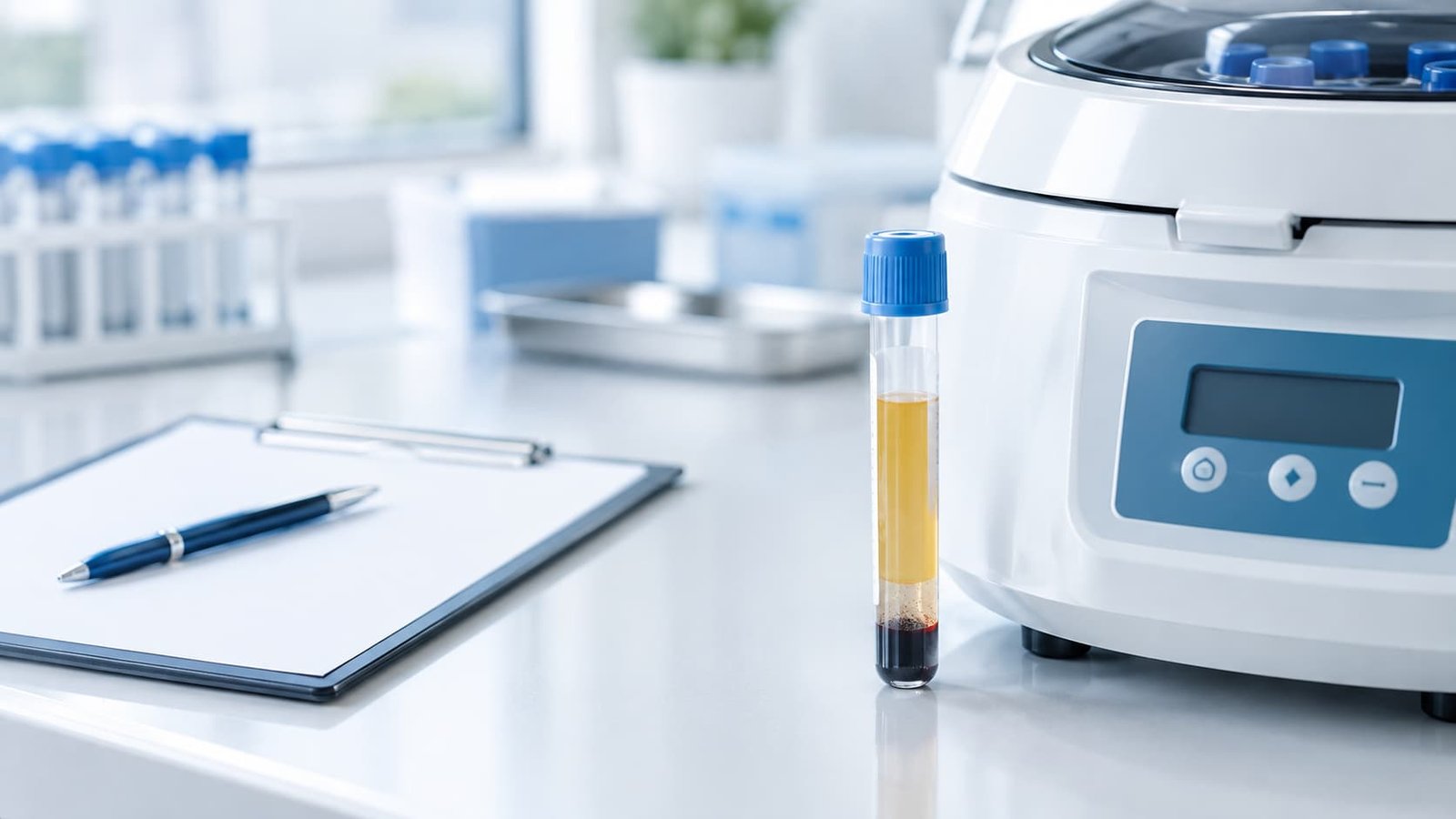
PRP therapy for sexual function uses the patient’s own blood. A clinician draws blood, spins it in a centrifuge and concentrates the platelets. The clinician then injects the concentrate into penile tissue. Laboratory studies show that platelets release growth factors, which support tissue repair and new blood vessels. Animal models of cavernous nerve injury suggest possible nerve benefits. Clinics apply this logic to P shot treatment. Platelet concentration, spin method and injection technique vary between clinics. That variation complicates comparison across studies. Priapus Shot is a registered brand name. Animal data do not prove human benefit.
P Shot for Orgasm Intensity: What Evidence Exists?
Direct Evidence
Published randomised trials of PRP have not made orgasm intensity the primary outcome. That gap is the most important fact about the P shot for orgasm intensity. Claims about P shot for orgasm intensity therefore rest on indirect data.
Indirect Evidence from Erectile Dysfunction Trials
Several trials tested PRP for erectile dysfunction. Poulios and colleagues reported in the Journal of Sexual Medicine (2021) that more PRP recipients than placebo recipients reached a clinically meaningful gain in erectile function. Masterson and colleagues later ran a double-blind, placebo-controlled trial of 61 men. The Journal of Urology reported no significant difference between PRP and placebo (2023). Both groups improved. One man in the PRP group developed a new penile plaque. Placebo response runs high in sexual medicine, so blinded trials remain essential. Systematic reviews describe small studies, short follow-up and varied PRP preparation methods.
What the Orgasm Data Show
The IIEF includes an orgasmic function domain. Few trials report that domain separately. None designed the study to detect a change in orgasm intensity. Small uncontrolled case series describe subjective improvement. Expectation bias and placebo effects limit those reports.
Reading the Evidence Critically
Sexual outcomes depend heavily on expectation, mood and partner factors. Trials of 50 to 60 men can miss modest effects. Chance can also overstate benefit. Larger, longer trials with orgasm-specific outcomes would settle the question.
Guidance and Safety
Cleveland Clinic states that research has not verified P shot benefits. The clinic also notes that claims about sensation and ejaculation control lack scientific support. The European Association of Urology currently treats PRP for erectile dysfunction as investigational. NHS and NICE guidance on sexual dysfunction centres on assessing causes, reviewing medicines and using licensed treatments. Neither body recommends PRP for orgasm complaints. Reported minor risks include bruising, swelling, discolouration and infection.
Realistic Outcomes and Limitations
Realistic expectations for P shot for orgasm intensity include the following:
- Benefit remains unproven, and some men notice no change.
- Placebo response can account for early improvement.
- Costs fall on the patient, because the NHS does not routinely fund the procedure. P shot UK pricing varies between clinics.
- No evidence-based schedule exists for repeat sessions.
- P shot treatment cannot reverse hormonal disease, medication effects or major nerve injury.
- Men considering a P shot London appointment or a priapus shot London clinic should verify the practitioner’s qualifications. Written, balanced information should accompany any offer.
Assessment Before Any Procedure
A structured assessment should precede any PRP discussion. It usually includes:
- A sexual, medical and medication history
- Morning testosterone, HbA1c, thyroid and prolactin blood tests when indicated
- Neurological and genital examination
- Review of mood, stress and relationship factors
- Cardiovascular risk assessment, in line with NICE guidance
Pshots clinic UK, a Harley Street clinic in Marylebone, operates under Dr Syed Nadeem Abbas. Credentials include MBBS, MRCS (RCS Edinburgh), MRCGP and an MSc in Aesthetic Plastic Surgery with Distinction from Queen Mary University of London. Training took place at Cambridge, Oxford and the Royal London Hospital. Any clinician offering PRP should document the diagnosis, explain the evidence gap and obtain informed consent.
Frequently Asked Questions
Does the P shot for orgasm intensity work?
Current evidence cannot confirm that it does. No trial has tested orgasm intensity as the main outcome. Trials in erectile dysfunction show mixed results.
What causes weaker orgasms in men?
Common causes include low testosterone, medicine side effects, diabetes-related nerve damage, pelvic surgery, anxiety and ageing. More than one factor often contributes.
Can medication cause reduced orgasm intensity?
Yes. SSRIs, alpha-blockers, 5-alpha reductase inhibitors and opioids commonly alter orgasm. Patients should speak to a prescriber before stopping any medicine.
How do clinicians measure orgasm intensity?
No objective test exists. Clinicians use history-taking and questionnaires such as the IIEF orgasmic function domain. Reports remain subjective.
Does the NHS offer the P shot?
The NHS does not routinely offer PRP injections for male sexual dysfunction. NHS services assess causes and offer licensed treatments.
When should a man see a GP about orgasm changes?
Any change lasting several weeks merits review. Sudden onset, new medicines, erection problems, pain, numbness or urinary symptoms need prompt assessment.
Is PRP therapy for sexual function safe?
Small trials report minor and uncommon adverse events. Long-term safety data remain limited.
Key Takeaways
Orgasm depends on coordinated brain, hormonal and nerve function. Reduced orgasm intensity usually has an identifiable cause. Testosterone deficiency, diabetes, pelvic surgery and medicines explain many cases. PRP therapy for sexual function remains experimental, and no trial directly supports P shot for orgasm intensity. Informed decisions start with a diagnosis, not a procedure. Patients weighing any private treatment should ask for evidence, costs and limits in writing. Which question deserves an answer first: whether a treatment exists, or why the change began?
Read more:
Weaker Orgasms in Men: Causes and Treatment Options
Dual-Spin vs Single-Spin PRP: Does Platelet Concentration Matter for the P Shot?
Dr Syed Nadeem Abbas, MBBS, MRCSEd, MSc Aesthetic Plastic Surgery (Distinction) Medical Director, Pshot Clinic | CQC Regulated | Monday to Saturday 10:00–18:00 +44 7955 836986


