
Platelet-rich plasma injections for men’s sexual health continue to attract attention across London clinics, and interest in the Priapus Shot London procedure has grown alongside this attention. Promotional material often highlights potential benefits while glossing over practical safety questions. Understanding P Shot infection risk matters more than any promotional claim, because informed consent depends on complete information rather than selective reassurance. Men researching P shot treatment frequently encounter two extremes online. Aggressive promotion sits at one end. Vague warnings without clinical detail sit at the other. Neither extreme supports genuine decision-making.
This article takes a different route. It examines how infection can develop after penile PRP injections. Published evidence is reviewed to assess reported infection rates. The discussion also outlines specific prevention measures used in a properly regulated clinical setting. The discussion draws on NHS infection-control resources, NICE aseptic technique guidance, and published PRP safety literature. Readers considering P shot UK treatment deserve a clear picture of what causes infection and which personal risk factors apply. This risk exists, as with any injectable procedure, but stays low when clinics follow recognised infection-control standards. The sections below explain the biological mechanism behind injection-site infection and outline prevention protocols in detail. Later sections describe warning signs that need medical review. The aim stays simple: equip men with clinical facts needed to evaluate this treatment responsibly.
What Is the P Shot Procedure?
Clinicians prepare the P Shot by drawing a small blood sample from the arm. A centrifuge separates platelet-rich plasma from red blood cells and platelet-poor plasma. The practitioner then injects this concentrated plasma into specific regions of the penis. Growth factors within the plasma may support tissue repair and blood vessel formation, according to early-stage research. Men explore penile injection growth treatments for varied reasons, ranging from mild erectile difficulty to reduced sensation following prior treatment. The procedure sits within the broader category of non-surgical treatment for erectile dysfunction in London, alongside shockwave therapy and oral medication.
Any procedure that breaches the skin barrier carries some degree of infection risk. This principle applies to the P Shot exactly as it applies to any other injectable treatment. Acknowledging this fact directly, rather than downplaying it, forms the foundation of responsible patient education.
Many men comparing P shot London providers focus heavily on results while overlooking the sterile technique that underpins any safe outcome.
Why the P Shot Differs From Cosmetic Filler Injections
Cosmetic filler sits within superficial skin layers. PRP injections for sexual health target deeper penile tissue, including areas near the corpus cavernosum. This anatomical depth means practitioners require specific training beyond general aesthetic injection experience, since incorrect technique raises both infection risk and the chance of vascular injury.
Understanding P Shot Infection Risk
How Infections Develop After Penile Injections
Skin acts as the body’s primary barrier against bacteria. A needle creates a temporary breach in that barrier. Bacteria naturally present on skin, including Staphylococcus aureus, can enter tissue through this breach when practitioners fail to disinfect the area properly. Contaminated equipment, non-sterile PRP kits, and poor hand hygiene during preparation also introduce pathogens into the injection site. NICE guidance on healthcare-associated infection prevention identifies aseptic technique as the central defence against this route of contamination. An aseptic approach keeps only uncontaminated equipment and fluids in contact with vulnerable body sites throughout a clinical procedure.
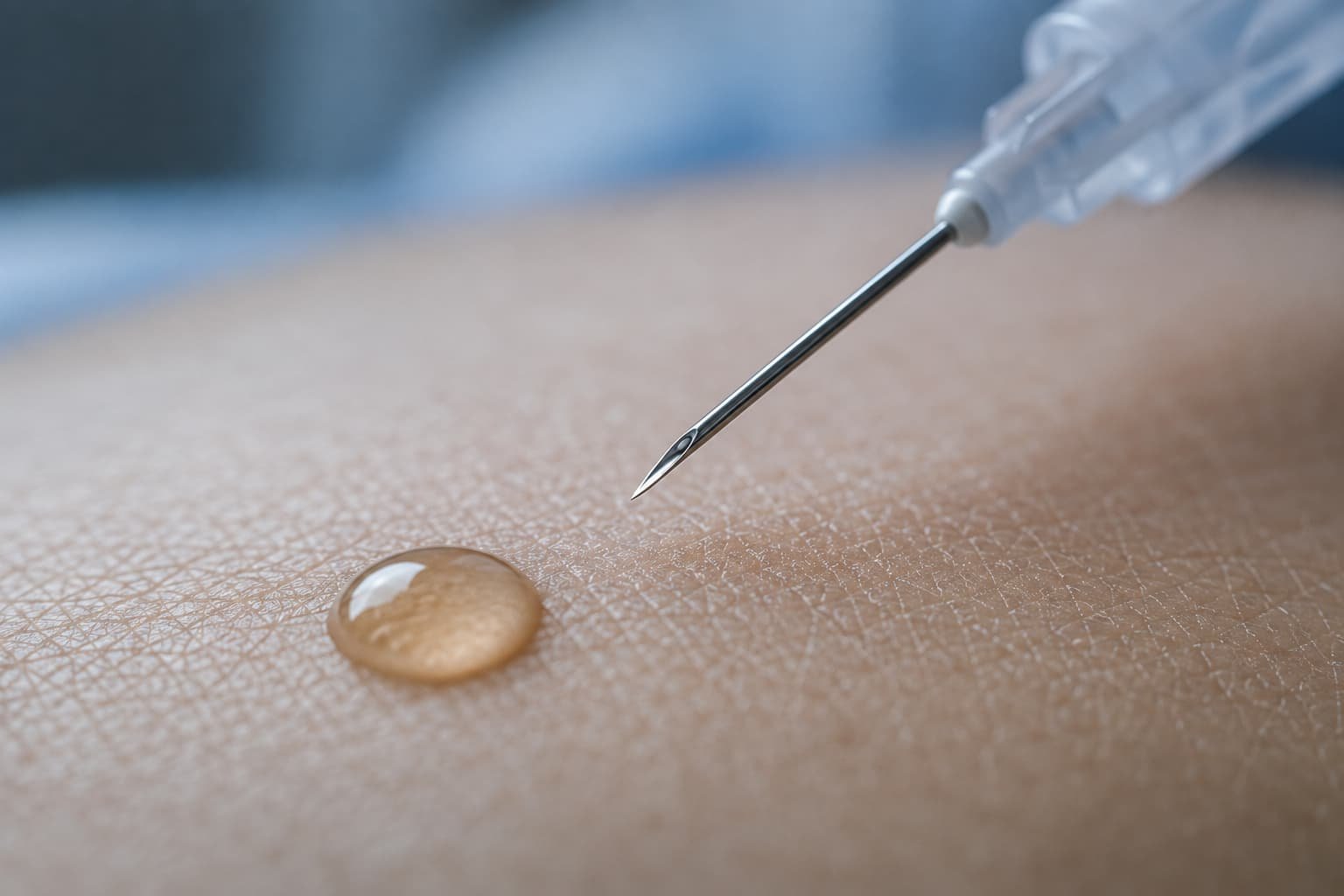
Local infection typically presents as redness, warmth, and swelling that worsens rather than improves over the days following treatment. Left untreated, localised infection can progress toward abscess formation or, rarely, more serious systemic illness. This progression explains why prevention protocols matter more than reactive treatment after symptoms appear.
Documented Infection Rates in PRP Injection Studies
Published data on PRP-related infection remain reassuring where clinics use appropriate technique. A 2024 systematic review examined almost 6,000 platelet-rich plasma joint injections across 91 randomised controlled trials. It recorded an infection rate of zero per 1,000 injections, regardless of open or closed preparation technique. This evidence base concerns joint injections rather than penile injections specifically. It still demonstrates that PRP therapy does not inherently raise infection rates when clinicians apply standard sterile principles. The wider PRP evidence base suggests a genuinely low risk profile rather than a negligible one, and isolated case reports of injection-site infection following penile PRP treatment still exist, which reinforces the need for continued protocol adherence rather than complacency.
Key Risk Factors That Increase P Shot Infection Risk
Practitioner Technique and Clinic Standards
Practitioner skill directly shapes infection outcomes. Clinics that skip proper skin disinfection, reuse equipment inappropriately, or rush preparation steps raise infection risk considerably. A registered medical practitioner trained in sterile injection technique represents the strongest safeguard against contamination, far more reliable than any marketing claim about results.
Patient-Related Risk Factors
Certain individual factors elevate susceptibility to infection following any injectable procedure:
Uncontrolled diabetes: Impairs wound healing and weakens the immune response.
Active skin conditions or infections: Increase the risk of infection around the treatment site.
Immunosuppressive medication or immune disorders: Can reduce the body’s ability to fight infection.
Smoking: Reduces tissue oxygenation and can delay healing.
Inconsistent aftercare: Poor hygiene during recovery can increase infection risk.
A thorough pre-treatment consultation should identify these factors before booking confirmation. Skipping this screening step raises infection risk unnecessarily, regardless of practitioner skill during the injection itself.
Non-Sterile PRP Kits and Equipment
PRP preparation requires specific single-use, CE-marked collection and separation kits. Reused or improperly stored equipment introduces contamination risk at the preparation stage, well before injection occurs. Reputable clinics document kit sourcing and batch numbers as part of standard clinical governance and traceability.
Prevention Measures That Reduce P Shot Infection Risk
Aseptic Non-Touch Technique
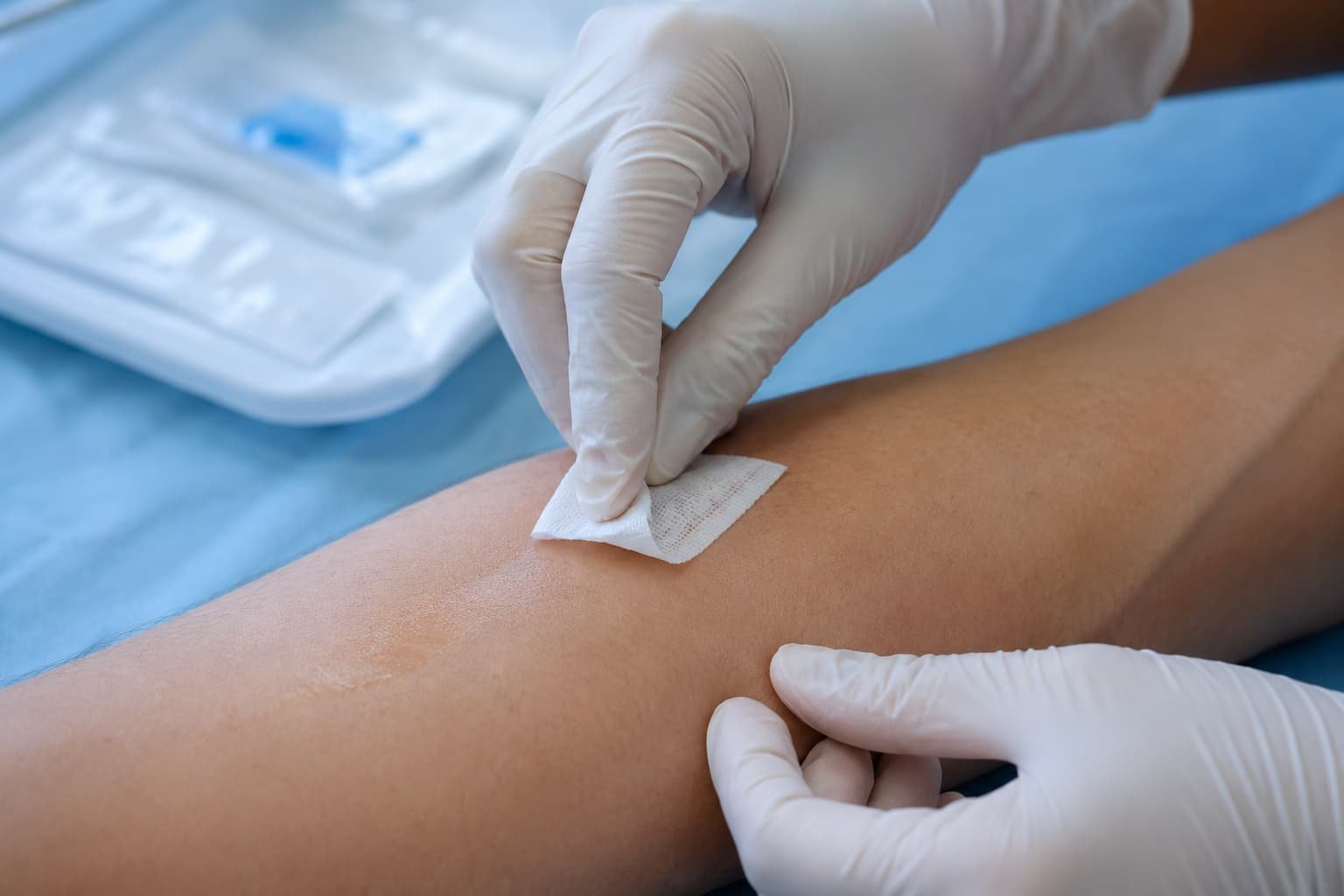
Aseptic Non-Touch Technique, a framework referenced within NICE-aligned infection-control literature, protects the “key parts” of equipment, such as needle tips and syringe openings, from contact with any non-sterile surface. Clinicians trained in this method handle needles, syringes, and vials in ways that prevent accidental contamination throughout preparation and injection, minimising infection risk at every stage of the procedure.
Skin Preparation and Antisepsis
Proper skin antisepsis before injection removes surface bacteria that could otherwise enter tissue through the needle track. Clinics typically apply an alcohol-based antiseptic solution using a single-direction wiping motion, followed by adequate drying time before injection begins. This simple step accounts for a substantial share of infection prevention in any injectable procedure, P Shot treatment included.
CE-Marked and Single-Use PRP Kits
Single-use, CE-marked PRP kits remove cross-contamination risk between patients. Practitioners should discard needles, syringes, and collection tubes immediately after use, following UK sharps-disposal regulations. Clinics that reuse or share preparation equipment between patients disregard a fundamental infection-control principle.
Clinic Regulation and Practitioner Qualifications
Clinics offering P shot treatment in England should hold Care Quality Commission registration where the service falls within regulated activity. Injecting practitioners should also hold current General Medical Council registration or an equivalent recognised medical qualification. Verifying these credentials before booking represents one of the most effective ways patients can personally reduce P Shot infection risk, since regulatory oversight enforces documented infection-control standards.
Recognising the Signs of Infection After a P Shot
Normal Post-Procedure Reactions
Mild bruising, tenderness, and swelling commonly occur within the first 48 hours after treatment. These reactions typically improve steadily rather than worsen over time. Warmth limited to the injection site and mild discomfort during this window generally fall within expected recovery.
Symptoms That Require Medical Attention
The following symptoms warrant prompt medical review rather than a wait-and-see approach:
- Increasing redness or swelling that persists or worsens beyond 48–72 hours.
- Pus or unusual discharge appearing around the injection site.
- Fever, chills, or general malaise developing during the recovery period.
- Worsening pain rather than gradual improvement after treatment.
- Red streaking extending outward from the injection site, which may indicate spreading infection.
NHS wound-monitoring guidance describes these symptoms as clear indicators that a wound requires urgent clinical assessment. Early treatment prevents infection from spreading and reduces the small risk of progression toward sepsis. Prompt reporting of these signs remains the single most important step in protecting recovery once treatment has already taken place.
Who Should Avoid P Shot Treatment Because of Infection Risk
Certain individuals face elevated infection risk and should discuss alternative options with a registered practitioner. Contraindications typically include active genital infections, untreated sexually transmitted infections, significant blood clotting disorders, and uncontrolled diabetes with poor glycaemic control. Men currently taking immunosuppressive medication or managing an active autoimmune condition also require individual assessment before proceeding. A qualified practitioner should conduct a full medical history review during consultation, rather than treating every candidate identically. Bypassing this assessment stage to accelerate booking undermines the entire purpose of infection-prevention protocol.
Aftercare Guidelines to Reduce P Shot Infection Risk
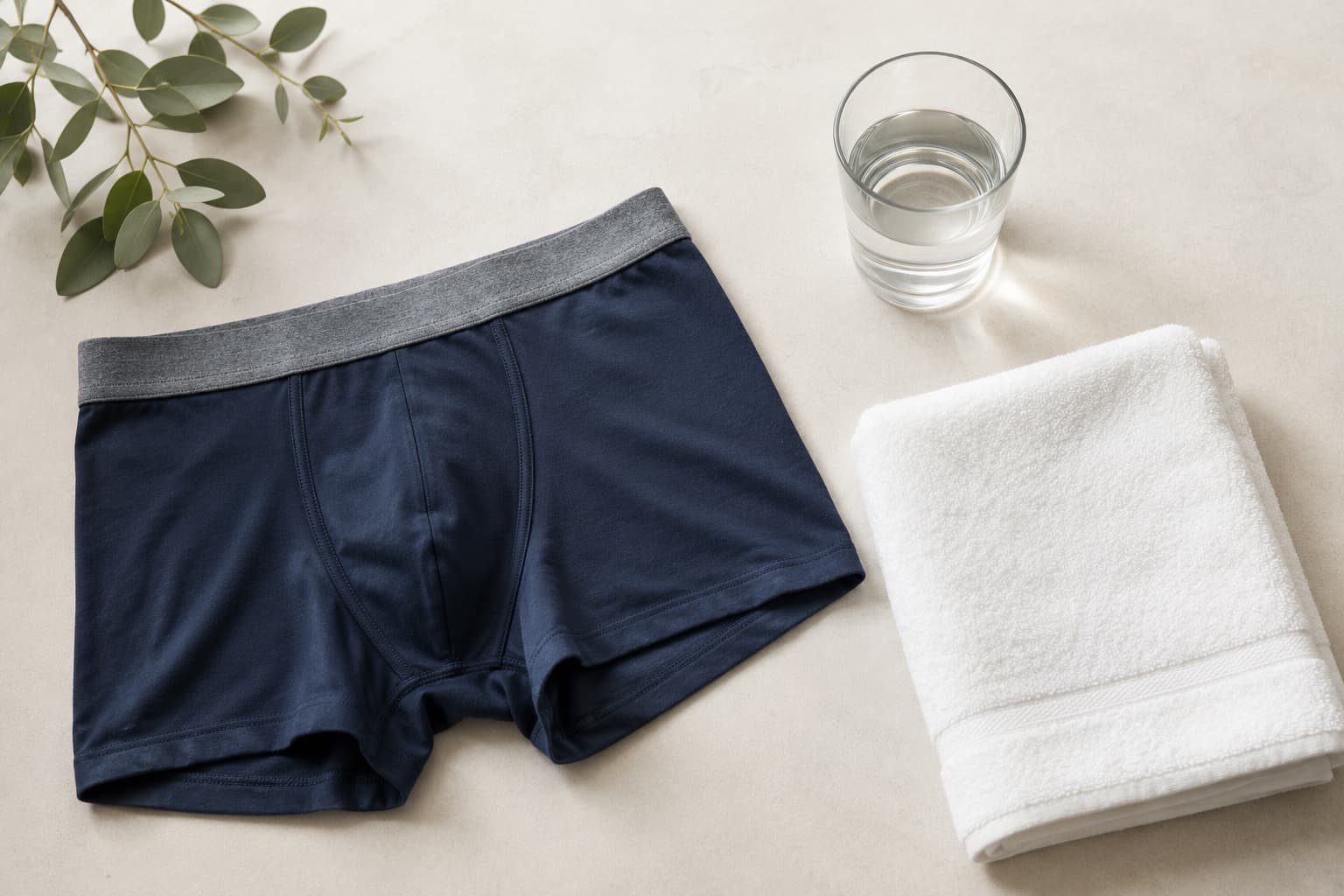
Aftercare compliance plays a direct role in preventing infection following treatment. Clinics typically provide guidance covering the following areas:
- Keep the treatment area clean and dry for the first 24 hours.
- Follow the clinician’s advice on sexual activity during the initial recovery period.
- Wear supportive, breathable underwear to minimise friction and unnecessary movement.
- Avoid swimming pools, saunas, and similar environments during early healing.
- Check the injection site daily for changes in redness, swelling, pain, or discharge.
Following this guidance closely reduces infection risk substantially, since most infections that do occur trace back to inadequate aftercare rather than procedural failure. Patients should contact the treating clinic promptly with any concern, rather than waiting to see whether symptoms resolve independently.
How Priapus Shot London Clinics Manage Infection Control
Regulated clinics across London build infection prevention into every stage of the P Shot pathway, from consultation through to follow-up review. Pshots clinic uk, a Harley Street clinic led by Dr Syed Nadeem Abbas, positions its P shot treatment within this regulated framework, incorporating sterile preparation protocols and practitioner-led consultation as standard practice. Clinics operating to this standard typically publish practitioner credentials, regulatory registration details, and consultation processes openly, allowing patients to verify safety standards before committing to treatment.
Comparing P Shot Infection Risk With Other ED Treatment Approaches
Men comparing every available erectile dysfunction treatment London option often ask how injectable PRP measures against surgical alternatives on safety grounds alone. Surgical penile implants carry substantially higher infection risk than injectable PRP therapy, given the extent of tissue disruption and the presence of a permanent implanted device. Oral medication carries no injection-related infection risk at all, though it addresses erectile function through a different mechanism. Men exploring natural ED treatment using PRP therapy often weigh this comparison directly. PRP-based regenerative therapy for ED carries a genuine but comparatively modest infection risk, provided the treating clinic follows recognised sterile protocols throughout. This comparison does not establish superior effectiveness, since PRP and surgical options address different clinical situations and carry different evidence bases.
Priapus Shot Price and Safety Standards
Priapus shot price varies between London clinics based on practitioner experience, PRP kit quality, and included aftercare provision. Choosing a clinic based on cost alone risks compromising infection-control standards, since single-use CE-marked kits and thorough consultation processes carry genuine cost implications for a clinic. Patients reviewing P shot before and after results as part of clinic research should also ask directly about sterile technique and regulatory registration, rather than focusing exclusively on outcome photography.
Questions to Ask Before Booking a P Shot Consultation

A structured consultation gives men a practical way to assess a clinic’s infection-control standards before committing to treatment. Useful questions include:
- Practitioner credentials: Is the practitioner currently GMC registered and trained in relevant injection techniques?
- PRP preparation: Does the clinic use a single-use, CE-marked PRP preparation kit for each patient?
- Antiseptic measures: Which specific antiseptic protocol does the clinic follow before the injection?
- Infection-control standards: How does the clinic manage sharps disposal, equipment sterilisation, and other hygiene measures?
- Aftercare and follow-up: What recovery instructions and follow-up contact does the clinic provide?
A clinic willing to answer these questions clearly, without hesitation or vague reassurance, generally demonstrates stronger clinical governance than one relying on marketing language alone. Direct questions during consultation often reveal more about safety standards than any published photograph or testimonial.
Frequently Asked Questions
Does the P Shot carry a higher infection risk than other injectable treatments?
No published evidence indicates that this treatment carries higher infection risk than comparable injectable procedures, provided practitioners follow standard aseptic technique throughout preparation and administration.
How soon after a P injection would infection symptoms typically appear?
Infection symptoms generally develop within the first three to five days following treatment, though monitoring should continue throughout the first two weeks of recovery.
Can antibiotics prevent infection before a P Shot procedure?
Routine antibiotic prophylaxis is not standard practice for this procedure. Sterile technique and proper skin antisepsis remain the primary prevention methods rather than pre-emptive medication.
Is P Shot infection risk higher for men with diabetes?
Uncontrolled diabetes impairs wound healing and immune response, which can raise infection risk. Well-controlled diabetes with stable blood glucose levels represents a lower-risk profile, though individual assessment remains essential.
Should treatment stop if mild redness appears after a P Shot?
Mild redness limited to the injection site during the first 48 hours often reflects normal healing rather than infection. Redness that spreads, intensifies, or persists beyond this window warrants medical review.
Key Takeaways
P Shot infection risk remains a genuine consideration, not a reason for panic, provided treatment takes place within a properly regulated clinical setting. Evidence from the wider PRP literature indicates low infection rates when practitioners maintain aseptic technique, use single-use CE-marked equipment, and screen candidates thoroughly before treatment. Recognising early warning signs and seeking prompt medical review when symptoms extend beyond expected healing further protects patient safety. Informed decision-making depends on weighing this risk honestly against realistic expected outcomes, rather than accepting either exaggerated promises or vague dismissals found across competing sources. Before booking any Priapus shot London appointment, what specific questions would genuinely confirm that a clinic’s infection-control standards meet the level this procedure demands?
Read more: P-Shot Side Effects: What Are the Real Risks?
Allergic Reactions to PRP: How Rare Are They with P Shot Treatment?


