P Shot vs Trimix: Which Treatment Is Better for Erectile Dysfunction?

✅Medically reviewed | Updated August 2026
Erectile dysfunction affects a significant proportion of men across the UK, and treatment options continue to expand each year. Two injectable approaches often appear in the same conversation: Trimix and the P Shot. Both involve injections directly into the penis, yet the similarities largely end there. The P Shot vs Trimix comparison sits at the centre of many consultations at private clinics across London, where men weigh immediate pharmacological results against a regenerative, blood-derived approach. This article examines the mechanism, evidence base, safety profile, and realistic outcomes of both treatments, drawing on NHS, NICE, and peer-reviewed sources rather than promotional claims.
Men researching erectile dysfunction treatment London options frequently encounter marketing language that overstates results. This guide takes a different approach. It explains what Trimix contains, how the P shot treatment works, what current research shows, and which factors matter most before choosing between the two. Nothing here replaces individual medical assessment, but a clear, evidence-based comparison remains essential before committing to either option.
Understanding Erectile Dysfunction and Treatment Pathways
Erectile dysfunction describes a persistent difficulty achieving or maintaining an erection sufficient for satisfactory sexual activity. Causes range from vascular disease and diabetes to psychological factors, prostate surgery, and neurological conditions. NICE guidance places oral phosphodiesterase type 5 (PDE5) inhibitors, such as sildenafil or tadalafil, as first-line treatment for most men.
When oral medication fails, causes intolerable side effects, or remains unsuitable due to interacting medication, second-line options come into play. NHS guidance confirms alprostadil, most often supplied as an intracavernosal injection, sits at this second-line stage. Trimix, a compounded variant containing alprostadil alongside two additional agents, extends this pharmacological pathway further. The P Shot represents a separate category entirely: a regenerative, PRP-based approach rather than a vasodilator medication.
This distinction matters. The P Shot vs Trimix decision is not simply a choice between two similar injections. It is a choice between two fundamentally different treatment philosophies.
What Is Trimix?
Trimix combines three vasoactive medications — alprostadil, papaverine, and phentolamine — in a single compounded solution. Each ingredient relaxes smooth muscle tissue within the penis through a slightly different pathway, producing combined vasodilation that increases blood flow rapidly.
How Trimix Produces an Erection
Following injection into the corpus cavernosum, the three agents relax cavernosal smooth muscle and widen local blood vessels. Blood flow into the penis rises substantially within minutes. The mechanism does not depend on nerve stimulation, which explains why Trimix can work even after nerve damage from prostate surgery or spinal cord injury.
Typical Onset and Duration
An erection generally appears within five to twenty minutes and lasts roughly thirty minutes to an hour, sometimes longer depending on dose. NHS sources note that an erection lasting beyond four hours signals priapism, a medical emergency requiring immediate hospital treatment.
Trimix’s Regulatory Status in the UK
A critical distinction separates Trimix from the licensed alternative alprostadil. Trimix holds no UK marketing authorisation and is not routinely available on the NHS. A specials manufacturer must prepare it under MHRA regulations, and only a private prescription can authorise its use. NHS trusts typically dispense licensed alprostadil products, such as Caverject, instead. This unlicensed status does not necessarily indicate danger, but it does mean batch consistency and long-term safety data differ from those of a licensed medicine.
Benefits and Limitations of Trimix
Trimix produces a fast, reliable, on-demand erection for many men, including those who have not responded to oral PDE5 inhibitors. NHS advice from Newcastle Hospitals states injections should not exceed three times weekly, and never more than once daily, since frequent dosing raises the risk of tissue damage. Reported side effects include penile pain, bruising, and scarring at the injection site. Priapism remains a rare but serious risk requiring urgent attention.
What Is the P Shot?
The Priapus Shot, commonly abbreviated as the P Shot, uses platelet-rich plasma (PRP) extracted from a patient’s own blood. A blood sample undergoes centrifugation to concentrate platelets and growth factors, which are then injected into specific areas of penile tissue.
How the P Shot Works
Unlike Trimix, the P Shot treatment does not act as a vasodilator. Instead, platelet-rich plasma releases growth factors intended to stimulate tissue repair and improved microcirculation over time. This is why clinicians describe the P Shot as PRP-based regenerative therapy for ED, rather than a pharmacological therapy. This mechanism difference explains why timelines, risks, and expectations diverge sharply in any P Shot vs Trimix comparison.
Growth Factors and Tissue Repair
Concentrated platelets release growth factors associated with angiogenesis, collagen formation, and cellular repair in laboratory and animal studies. Translating these mechanisms into consistent human outcomes remains an active area of research, and results vary between individuals.
Evidence Base for the P Shot
Clinical evidence for a natural ED treatment using PRP therapy remains mixed. Some smaller randomised trials report modest improvements in erectile function scores, while a 2025 meta-analysis found no significant efficacy advantage over placebo across pooled data. The European Association of Urology and the American Urological Association both classify PRP-based ED treatment as investigational. This classification means the treatment is not yet established as a proven, first-line therapy, though it does not rule out benefit for carefully selected patients.
Benefits and Limitations of the P Shot
Because the injection uses autologous blood, allergic reactions risk stays minimal. Reported side effects generally involve only bruising, mild soreness, or transient swelling at the injection site. Unlike Trimix, the P Shot produces no immediate erection and requires no ongoing self-injection before intercourse. Results, where they occur, typically emerge gradually over several weeks. Maintenance sessions every six to twelve months commonly sustain any benefit gained.
P Shot vs Trimix: Comparing Mechanism of Action
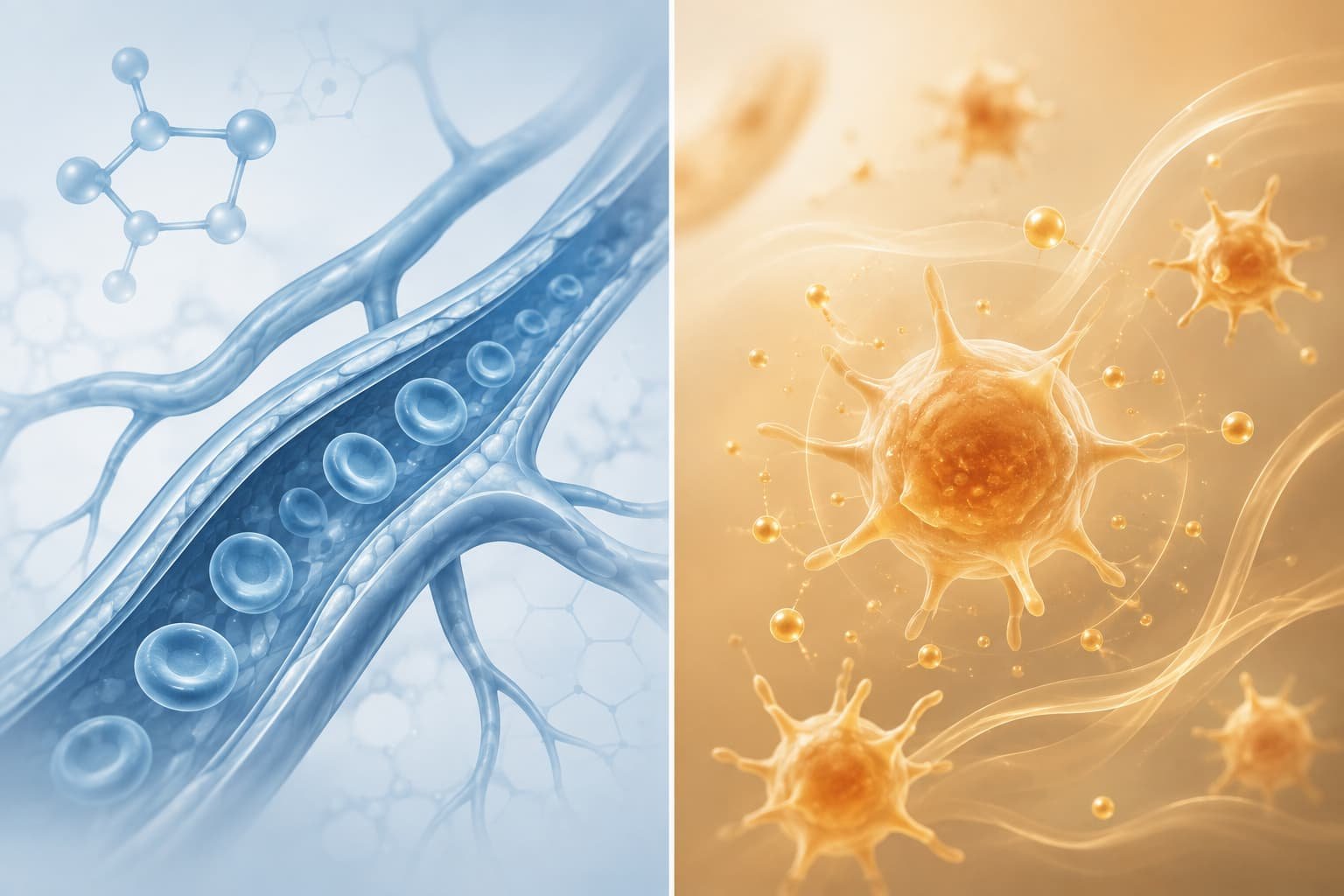
The central difference in any P Shot vs Trimix comparison is pharmacological action versus regenerative intent. Trimix forces an erection through direct vasodilation, working reliably within minutes regardless of underlying tissue health. The P Shot aims to improve tissue quality over time, targeting circulation and cellular repair rather than producing an immediate response.
This distinction affects candidate selection. Men seeking dependable, on-demand performance for a specific occasion generally lean toward Trimix. Men interested in a non-surgical treatment for erectile dysfunction in London, without introducing external medication into penile tissue, often explore the P Shot instead.
P Shot vs Trimix: Safety Profile and Risk Comparison
Trimix carries a defined risk of priapism due to its potent vasodilatory action. NHS sources confirm this requires emergency treatment if an erection persists beyond four hours. Bruising, scarring, and localised pain are also documented with repeated use over time.
The P Shot carries a comparatively lower acute risk profile, since it introduces no exogenous vasoactive drug. Bruising and soreness remain the most commonly reported effects. However, the regenerative claims attached to PRP therapy exceed what current peer-reviewed evidence confirms. Any responsible P Shot vs Trimix discussion must state clearly that PRP-based treatment for erectile dysfunction remains investigational.
Onset, Duration and Frequency of Use
Trimix works within five to twenty minutes and produces an erection lasting roughly thirty minutes to an hour. Repeat injections are required before each instance of planned sexual activity, up to the NHS-recommended maximum of three times weekly.
The P Shot does not produce an immediate erection. A typical protocol involves periodic sessions spaced several weeks or months apart, with cumulative effects assessed over time rather than judged after a single treatment. Men considering penile injection growth claims associated with the P Shot should understand that anecdotal size-related reports lack robust clinical trial support.
Cost Considerations Across London Clinics
Cost varies between private clinics, and figures should always be confirmed directly with a provider before booking. Trimix pricing is typically charged per prescription and per follow-up review, with ongoing costs accumulating as vials require replacement. Priapus shot price at private clinics generally reflects a single session or a short course, often positioned as a higher upfront cost with fewer repeat prescriptions required afterwards. Neither Trimix nor the P Shot receives routine NHS funding, so private P shot price and Trimix costs both fall to the patient directly.
Candidate Suitability for Each Treatment
Suitability depends on medical history, severity of erectile dysfunction, and personal treatment goals. Trimix suits men who need a fast, reliable erection and who show no contraindications, such as severe cardiovascular instability or bleeding disorders. The P Shot may suit men seeking a gentler, non-pharmacological option, particularly those with mild to moderate symptoms and realistic expectations.
Men with active infection, untreated bleeding disorders, or unrealistic expectations of guaranteed results generally remain unsuitable candidates for either treatment. Priapus shot London providers should discuss realistic timelines openly, rather than promising outcomes unsupported by current evidence. A thorough medical history, examination, and discussion of realistic outcomes should precede any p injection procedure, regardless of which option is under consideration.
P Shot Before and After: Setting Realistic Expectations
Photographs marketed as P shot before and after results deserve cautious interpretation. Lighting, positioning, and state of arousal can all exaggerate apparent change between images. Peer-reviewed evidence supports modest, variable improvements in erectile function scores for some patients, not universal or dramatic transformation. Clinics operating within the P Shot UK market should communicate this honestly rather than relying on selectively chosen imagery.
Injection Technique and Aftercare Considerations
Correct technique matters for both treatments. Trimix injections go into the corpora cavernosa at the side of the shaft, alternating sites to reduce scarring risk over repeated use. Firm pressure applied to the injection site for several minutes afterwards helps limit bruising, particularly for men taking blood-thinning medication. Poor technique with any intracavernosal injection can lead to nodules, curvature, or infection, so proper training from a qualified clinician remains essential before any self-administration begins.
P Shot aftercare differs, since the treatment does not require repeat self-injection between sessions. Mild swelling or bruising typically settles within a few days. Clinicians commonly advise avoiding strenuous sexual activity for a short period following treatment, allowing injected tissue time to settle before resuming normal function.
How Trimix and the P Shot Fit Within the Wider NHS Pathway
NICE guidance places oral PDE5 inhibitors as first-line therapy, moving to intracavernosal alprostadil, vacuum devices, or penile prosthesis surgery when oral treatment fails. Trimix sits adjacent to this NHS pathway as a private, unlicensed alternative for men who need a stronger formulation than standard alprostadil provides. The P Shot sits outside conventional NICE-recognised pathways entirely, since regulatory bodies still classify PRP-based erectile dysfunction treatment as investigational rather than an established second-line option. Men exploring either route benefit from discussing NHS-recognised alternatives first, ensuring private treatment complements rather than replaces standard clinical assessment.
The Consultation and Diagnostic Process
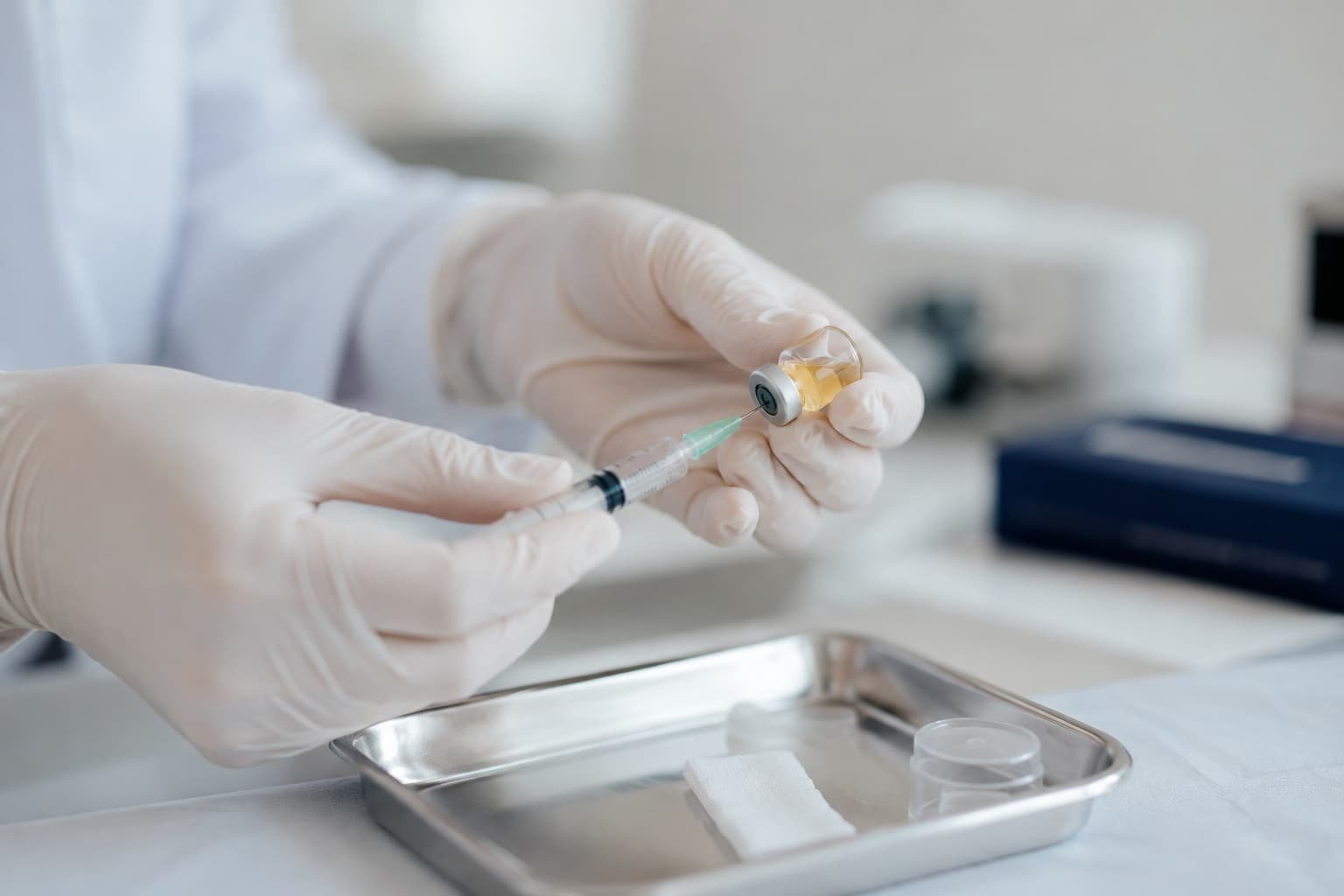
A responsible pathway toward either treatment begins with a full medical history, relevant blood tests, and, where appropriate, psychosexual assessment. Underlying conditions such as diabetes, cardiovascular disease, or hormonal imbalance require investigation before injectable therapy proceeds. Men attending a P shot London consultation should expect discussion of alternative options, including oral medication, vacuum erection devices, and lifestyle modification, rather than an immediate recommendation for injection therapy.
Pshots clinic uk, a Harley Street clinic led by Dr Syed Nadeem Abbas, offers consultations covering both regenerative and pharmacological pathways for erectile dysfunction, with recommendations based on individual assessment rather than a fixed protocol.
Frequently Asked Questions
Is the P Shot better than Trimix for erectile dysfunction?
Neither treatment proves universally superior. Trimix delivers immediate, reliable erections through vasodilation, while the P Shot offers a regenerative approach with a slower, less predictable response. The right P Shot vs Trimix choice depends on individual goals and medical suitability.
How much does a Priapus shot cost in the UK?
Priapus shot price varies by clinic, treatment plan, and number of sessions required. A consultation provides an accurate, personalised quote based on individual needs.
Is Trimix available on the NHS?
Trimix is not routinely available on the NHS. Licensed alprostadil products, such as Caverject, remain the standard NHS injectable option for erectile dysfunction.
Does the P Shot increase penile size?
Current peer-reviewed evidence does not support reliable, permanent size increase. Reports of penile injection growth remain anecdotal rather than clinically established.
How many P Shot sessions are usually needed?
Protocols vary between clinics, but maintenance sessions every six to twelve months are commonly recommended to sustain any benefit observed after initial treatment.
Can Trimix and the P Shot be combined?
Some clinicians combine pharmacological and regenerative approaches, though evidence for combined protocols stays limited. Any combination should only proceed under specialist medical supervision.
Key Takeaway
Choosing between Trimix and the P Shot involves weighing immediate pharmacological reliability against a slower, regenerative approach with a more limited evidence base. Trimix offers a well-established, though UK-unlicensed, mechanism for producing an erection on demand. The P Shot offers a natural ED treatment using PRP therapy that avoids introducing vasoactive medication, though current research classifies it as investigational rather than proven.
Neither option guarantees results, and the most responsible P Shot vs Trimix decision follows a thorough, individualised medical assessment rather than marketing claims. Speed of results, long-term tissue health, or comfort with an evidence base still under development: which factor matters most when weighing this decision?
Read more: P Shot (Priapus Shot): What It Is, How It Works, Benefits, and Who It’s For
P Shot Treatment: Procedure Steps, Recovery, Aftercare, and Results Timeline