Best Age for P Shot: Is There an Ideal Time to Start Treatment?

✅Medically reviewed | Updated August 2026
Erectile dysfunction rarely arrives on a fixed calendar date. It can surface quietly in the early thirties. During the forties, symptoms may gradually intensify. After fifty, the changes often become more noticeable as vascular and hormonal factors accumulate. Amid this uncertainty, one question reaches private clinics across London often. Is there a best age for P Shot treatment? The Priapus Shot, commonly shortened to P Shot or Pshot, is sometimes called a penis shot informally. It uses platelet-rich plasma drawn from a patient’s own blood. The aim is to stimulate tissue repair within the penis. Interest in the treatment has grown alongside wider curiosity about regenerative medicine. Yet questions about the ideal age to begin remain widespread, and often poorly answered online.
This article examines the clinical evidence behind age and P shot treatment. It explains how NHS and NICE guidance frames erectile dysfunction across different decades of life. It sets out a balanced, medically grounded view of where treatment timing might realistically sit. Understanding what the evidence supports, and what remains uncertain, matters more than chasing an arbitrary number.
Understanding the P Shot and Its Purpose
What the P Shot Involves
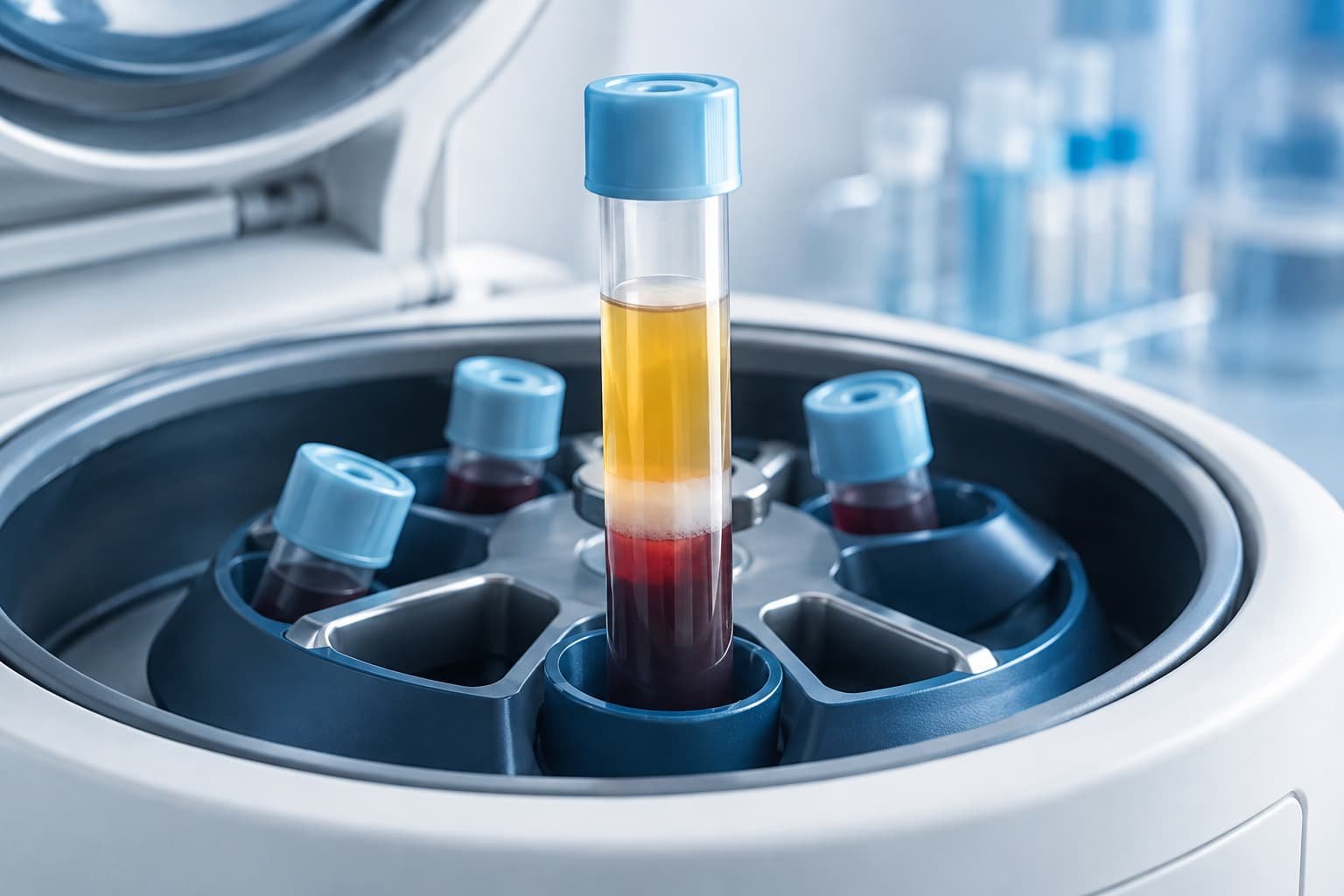
The P shot treatment begins with a small blood sample. A centrifuge separates platelet-rich plasma from other blood components. Clinicians then inject the concentrated PRP into specific areas of the penis, most often the shaft and glans. Platelets contain growth factors that support tissue repair, new blood vessel formation, and nerve regeneration. These mechanisms may improve blood flow, sensitivity, and erectile firmness, according to proponents. The procedure typically takes under an hour. Topical or local anaesthetic reduces discomfort during injection. The injection uses a patient’s own plasma, so rejection risk stays low. Bruising and swelling remain common short-term effects. This biological mechanism, rather than marketing language, forms the basis of every credible discussion about the Priapus Shot.
Clinics differ in PRP preparation and administration methods. Preparation method can affect platelet concentration delivered to the tissue. Centrifuge speed, spin duration, and activation technique all influence the final product used in a p injection. This variability partly explains why published outcomes differ between studies. Patients researching a P shot treatment should ask a prospective provider about preparation protocol. Consistency in method links directly to consistency in outcome. Regulatory oversight for PRP preparation in private UK clinics sits within existing medical device and tissue-handling frameworks. No bespoke aesthetic-PRP licence currently exists in the UK.
Why Age Enters the Conversation
Age influences several biological processes relevant to erectile function. These include vascular elasticity, nerve sensitivity, testosterone levels, and tissue regenerative capacity. These factors shift gradually, rather than at a single threshold. This gradual shift complicates any simple answer about the best age for P Shot treatment. Clinics treating men across a wide age range often observe a pattern. Younger patients tend to present with milder vascular changes. Older patients may carry additional risk factors, such as diabetes or cardiovascular disease. This variation drives ongoing clinical debate about optimal timing, and explains why no single number applies universally.
Best Age for P Shot: What the Evidence Suggests
Men in Their 30s
Erectile difficulties in the thirties often stem from psychological factors or lifestyle habits. Early vascular changes can also play a role, rather than advanced disease. Peer-reviewed research into erectile dysfunction under 40 frequently identifies a vasculogenic component, once clinicians rule out other causes. Clinics may consider PRP therapy relevant at this stage for mild or early-onset erectile difficulty. This applies particularly when first-line options, such as PDE5 inhibitors, produce inconsistent results. Younger tissue generally retains stronger regenerative potential. Some clinicians view this favourably when weighing the best age for P Shot intervention. However, robust long-term trial data specific to this age group remains limited, so expectations should stay measured.
Men in Their 40s

Erectile dysfunction becomes more common through the forties. Cardiovascular risk factors, stress, and hormonal shifts accumulate during this decade. NHS guidance indicates that roughly half of men aged 40 to 70 experience some degree of erectile difficulty. This decade frequently marks the point at which men actively seek treatment. It forms a common entry point for PRP-based regenerative therapy for ED. Many clinics report this age bracket as strongly represented among P shot London patients. Symptoms often become noticeable enough to prompt consultation at this stage. Tissue and vascular health typically remain responsive to intervention.
Men in Their 50s and Beyond
Erectile dysfunction prevalence continues rising after fifty. It often appears alongside diagnosed conditions, such as hypertension, diabetes, or a history of prostate treatment. NICE clinical guidance recognises erectile dysfunction as a marker worth investigating for underlying cardiovascular disease. This applies particularly within this older age group. PRP therapy may still offer supportive benefit. Pre-existing vascular damage, however, can limit the extent of improvement achievable. Clinicians typically emphasise thorough medical assessment before treatment. Underlying conditions often require separate management alongside any penile injection growth therapy under consideration.
Erectile Dysfunction and Age: The Clinical Picture
Population data consistently link advancing age with rising erectile dysfunction prevalence. NHS sources state that half of men between 40 and 70 experience erectile dysfunction to some degree. Causes vary by decade. Psychological and situational factors dominate earlier presentations. Vascular, neurogenic, and hormonal causes become more prominent later in life. This shifting pattern explains why clinicians resist naming a single best age for P Shot treatment. A full medical history review always comes first. Cardiovascular disease, diabetes, and neurological conditions such as multiple sclerosis can all contribute to erectile dysfunction. This holds true regardless of chronological age. Two men of identical age may present with entirely different underlying pictures.
Lifestyle Factors That Influence Timing
Smoking status, alcohol intake, body weight, and activity level all affect vascular health independently of age. A fit 45-year-old man may retain better penile blood flow than a sedentary 35-year-old. NICE guidance on cardiovascular risk reduction highlights smoking cessation and weight management as effective measures. These same measures plausibly support any regenerative treatment applied afterwards. Lifestyle modification alongside, rather than instead of, PRP therapy tends to produce a more complete clinical picture. Men weighing treatment timing might reasonably consider these modifiable factors alongside age itself.
Is There a Single Best Age for P Shot?
Individual Health Factors Matter More Than Age Alone
Clinical assessment typically weighs vascular health, hormone levels, and psychological wellbeing above age alone. A fit, non-smoking man in his fifties may respond differently to treatment than a sedentary man in his thirties. This variability supports a central clinical view. The best age for P Shot treatment depends less on a specific number, and more on overall physiological readiness. Baseline erectile function and symptom severity typically guide suitability more precisely than age bracket alone.
Realistic Expectations at Every Age
PRP therapy for erectile dysfunction remains an area of ongoing research, regardless of age. It is not yet an established first-line treatment. A 2025 meta-analysis found no significant efficacy advantage for PRP over placebo across several outcome measures. This finding underscores the need for cautious, evidence-based expectations at every stage of life. Men considering P shot UK treatment should understand this uncertainty before proceeding. Overpromised outcomes at any age risk disappointment and unnecessary expense. Realistic goal-setting, rather than a targeted age, plays the larger role in eventual patient satisfaction.
P Shot Treatment Process in London
Consultation and Assessment
A thorough consultation typically precedes any P shot treatment in London. It covers medical history, current medication, and any conditions that might affect suitability. Screening commonly checks for bleeding disorders, active infection, and uncontrolled diabetes. These factors can complicate recovery and reduce expected benefit. Assessment also considers whether erectile difficulty might reflect an undiagnosed cardiovascular or hormonal issue. Reputable Priapus shot London providers apply this screening consistently. Pre-treatment evaluation, not age alone, determines candidacy for treatment. Blood pressure checks and a review of current medication typically form part of this process too. Some clinics also request recent blood test results, particularly for men with diabetes or known cardiovascular risk factors. This step helps identify contraindications before any injection appointment proceeds.
Priapus Shot Price and What Influences Cost

Priapus shot price varies between London clinics. Practitioner experience, PRP preparation method, and session number all influence the final figure. Male enlargement injections cost UK-wide can range from several hundred to over a thousand pounds per session. Some clinics offer package pricing across multiple treatments. Cost alone should not guide selection. Verified practitioner training, clinic hygiene standards, and transparent aftercare support matter more when comparing P shot London services.
P Shot Before and After: What Results May Look Like
Patients researching P shot before and after outcomes often encounter marketing photography that overstates typical results. Genuine before and after documentation should reflect modest, individual variation, rather than dramatic transformation. Reported outcomes in patient accounts include mild improvements in firmness or sensitivity. Peer-reviewed evidence supporting consistent penile injection growth remains limited. Clinics maintaining ethical standards typically present P-shot before and after images with clear disclaimers about individual variability.
Penile Injection Growth Claims and Their Limits
Claims describing significant penile injection growth from a single p injection lack strong supporting evidence. This applies within the peer-reviewed literature specifically. PRP research in other tissue types, such as tendon and joint repair, shows mixed results. Outcomes depend on preparation method and injection protocol. Applying these findings directly to penile tissue requires caution. Anatomical and vascular differences limit direct comparison between tissue types. Honest clinical communication distinguishes established regenerative mechanisms from unproven cosmetic enlargement claims.
Non-Surgical Treatment for Erectile Dysfunction in London: Where the P Shot Fits
Non-surgical treatment for erectile dysfunction in London spans several options. These include PDE5 inhibitors, vacuum erection devices, shockwave therapy, and PRP injections. NHS-funded pathways typically begin with lifestyle modification and oral medication. Specialist referral follows if first-line options prove insufficient. Private clinics offering natural ED treatment using PRP therapy generally position the P shot as a complementary option. It typically supplements, rather than replaces, first-line medical treatment. Erectile dysfunction treatment London providers increasingly discuss combination approaches. These pair PRP with lifestyle changes or other therapies, rather than relying on one intervention alone.
PRP-Based Regenerative Therapy for ED: Current Evidence
Current evidence supporting PRP-based regenerative therapy for ED remains preliminary. Small studies suggest possible improvement in erectile function scores. Sample sizes, however, are frequently limited. Placebo-controlled trials remain scarce within this field. Established UK professional bodies have not yet endorsed PRP as a standard erectile dysfunction treatment. This reflects a genuine evidence gap. Patients should weigh this uncertainty carefully, regardless of the best age for P Shot consideration. Evidence quality affects outcomes more than age alone.
Risks, Limitations and Who Should Avoid Treatment
Bruising, swelling, and temporary discomfort represent the most commonly reported side effects. Rare risks include infection or uneven PRP distribution within the injected tissue. Men with bleeding disorders, active penile infection, or certain cancers typically require exclusion from treatment. This applies regardless of age. Clinicians generally recommend addressing underlying cardiovascular or endocrine conditions first. Untreated systemic disease can limit treatment benefit and mask serious health concerns. No age group is exempt from thorough pre-treatment screening. Aftercare guidance typically includes avoiding strenuous activity and sexual intercourse for a short recovery window. Following this guidance reduces the likelihood of bruising or delayed healing after treatment.
Frequently Asked Questions
Is there an official best age for P Shot treatment?
No fixed age exists. Suitability depends on vascular health, hormone levels, and the underlying cause of erectile difficulty.
Can men in their 30s consider a P shot?
Yes, subject to consultation. Younger patients with mild erectile difficulty sometimes explore PRP therapy after standard treatments show limited effect.
Does age affect P shot before and after results?
Age may influence baseline vascular health, which can affect outcomes. Pre-existing conditions often matter more than age alone.
How much does Priapus shot price typically range across the UK?
Pricing varies by clinic, practitioner expertise, and session number. A personalised quote after consultation gives the clearest cost picture.
Is the P shot a proven cure for erectile dysfunction?
No. Current evidence remains limited. Clinicians position PRP therapy as a supportive option, rather than a guaranteed cure.
Should older men avoid PRP therapy altogether?
Not necessarily. Age alone rarely excludes treatment. Underlying medical conditions and screening results carry greater weight.
How many sessions of P shot treatment do most men need?
Session number varies by individual case and clinic protocol. Some clinics recommend one session initially, followed by review.
Does the P shot replace standard ED medication?
Not typically. Most clinics position PRP therapy as complementary to established options, such as PDE5 inhibitors.
Key Takeaway

Chronological age offers a useful starting reference. It rarely determines suitability for P shot treatment on its own. Vascular health, hormone balance, symptom severity, and realistic expectations typically carry more clinical weight. Men in their thirties, forties, fifties, and beyond may all present valid reasons for exploring PRP therapy. This applies provided screening confirms suitability, and expectations remain grounded in current evidence. Pshots clinic sits within this wider landscape of London providers. The Harley Street practice, led by Dr Syed Nadeem Abbas, assesses patients individually, rather than by age alone. Erectile health can develop very differently between two men of identical age. Does chronological age still deserve the prominence it currently receives in treatment decisions?
Read more: How to Prepare for a P-Shot: Full Pre-Treatment Checklist