
Erectile dysfunction affects a significant proportion of men across the United Kingdom, and treatment choices range from simple lifestyle changes to advanced regenerative injections. The comparison of Natural Remedies vs P-Shot has become one of the most searched topics among men researching erectile dysfunction treatment. Many men try herbal supplements and lifestyle changes first, then explore clinical procedures such as the P-Shot once natural methods fail to deliver consistent results. This article explains why Natural Remedies vs P-Shot forms such a common comparison in men’s sexual health, and sets out what current evidence actually supports for each approach. Structured, evidence-based information helps men make informed decisions rather than relying on marketing claims or anecdotal reports. The following sections examine the causes of erectile dysfunction, the evidence behind natural remedies, the P-Shot procedure itself, and the reasons some men choose to combine both strategies under medical supervision.
Understanding Erectile Dysfunction in the UK
Erectile dysfunction describes persistent difficulty achieving or maintaining an erection sufficient for satisfactory sexual activity. NHS Clinical Knowledge Summaries recognise erectile dysfunction as a common condition closely linked to cardiovascular health. Research indicates erectile dysfunction affects around half of men aged 40 to 70 to some degree. Prevalence rises steadily with age and increases further in men with diabetes, obesity or hypertension. Physical causes include reduced blood flow, nerve damage, hormonal imbalance and blood vessel disease. Psychological factors such as stress, anxiety and relationship difficulties also contribute significantly. Many cases involve a combination of physical and psychological triggers rather than one single cause. Accurate diagnosis requires a full medical history, physical examination and relevant blood tests. NHS guidance recommends cardiovascular risk assessment, since erectile dysfunction often precedes heart disease by several years. Men experiencing sudden onset erectile dysfunction should seek prompt medical review, since this pattern sometimes signals an underlying cardiovascular event. Gradual onset more often reflects age-related vascular change, hormonal decline or lifestyle factors accumulating over time. A GP consultation typically forms the first step, since primary care can rule out serious underlying conditions before recommending treatment. Referral to a specialist clinic may follow when initial management does not resolve symptoms adequately. Blood tests commonly assess glucose, cholesterol and testosterone levels, since abnormalities in any of these can contribute to erectile dysfunction. Blood pressure measurement forms a routine part of assessment, given the shared risk factors between erectile and cardiovascular health.
Natural Remedies for Erectile Dysfunction
Lifestyle Modification

Lifestyle change forms the first recommended step in NICE guidance for erectile dysfunction management. Regular exercise improves blood flow and supports healthy testosterone levels over time. Weight loss reduces strain on blood vessels and lowers cardiovascular risk factors linked to erectile dysfunction. Reducing alcohol intake and stopping smoking both measurably improve erectile function. Sleep quality affects hormone regulation, including testosterone production during deep sleep cycles. Stress management techniques, including counselling, help address psychological contributors to erectile dysfunction. These changes carry no direct financial cost and support general cardiovascular health regardless of erectile outcomes.
Herbal and Nutraceutical Options
Several herbal supplements are marketed as natural treatments for erectile dysfunction, including ginseng, Tribulus terrestris and L-arginine. A 2021 systematic review examined evidence for these compounds across multiple small trials. Findings showed modest improvements in some erectile function scores, though study quality varied considerably. Sample sizes remained small, and many trials lacked rigorous placebo control. Ginseng showed the most consistent signal for improved erectile function among the reviewed supplements. Tribulus terrestris evidence stayed mixed, with several trials showing no significant benefit over placebo. L-arginine, an amino acid involved in nitric oxide production, produced modest results in select studies. NICE Clinical Knowledge Summaries do not currently recommend herbal supplements as first-line erectile dysfunction treatment. Supplement regulation in the UK differs from pharmaceutical regulation, meaning quality control varies between manufacturers. Men considering supplements should discuss use with a GP, particularly alongside existing medication.
Evidence and Limitations of Natural Approaches
Natural remedies rarely undergo the same rigorous trial standards as licensed medication. Placebo response rates in erectile dysfunction studies often reach 30 percent or higher. This makes distinguishing genuine treatment effect from placebo response difficult in smaller trials. A natural ED treatment using PRP therapy differs fundamentally from herbal supplementation, since PRP relies on biological tissue repair rather than systemic circulation changes. Men should treat supplement marketing claims with appropriate scepticism until stronger trial data becomes available. Unregulated online retailers sometimes sell supplements with unverified ingredient concentrations, which adds further uncertainty to reported outcomes. Independent testing organisations occasionally flag inconsistencies between labelled and actual active ingredient content in over-the-counter products. This inconsistency makes standardised dosing difficult to achieve outside a clinical trial setting, further limiting how confidently natural remedies can be recommended.
What Is the P-Shot?
The P-Shot, also known as the Priapus Shot, is a PRP-based regenerative therapy for ED that uses a man’s own blood. Priapus Shot London providers extract platelet-rich plasma from a small blood sample taken during consultation. PRP contains concentrated growth factors involved in tissue repair and blood vessel formation. Clinicians inject processed PRP directly into specific areas of penile tissue. The stated aim of P shot treatment is to stimulate tissue regeneration and support improved blood flow. This positions the P-Shot as a non-surgical treatment for erectile dysfunction in London clinics offering regenerative medicine services. Some men refer to the procedure informally as a p injection, though clinicians use the term P-Shot or Priapus Shot.
PRP Mechanism and Preparation
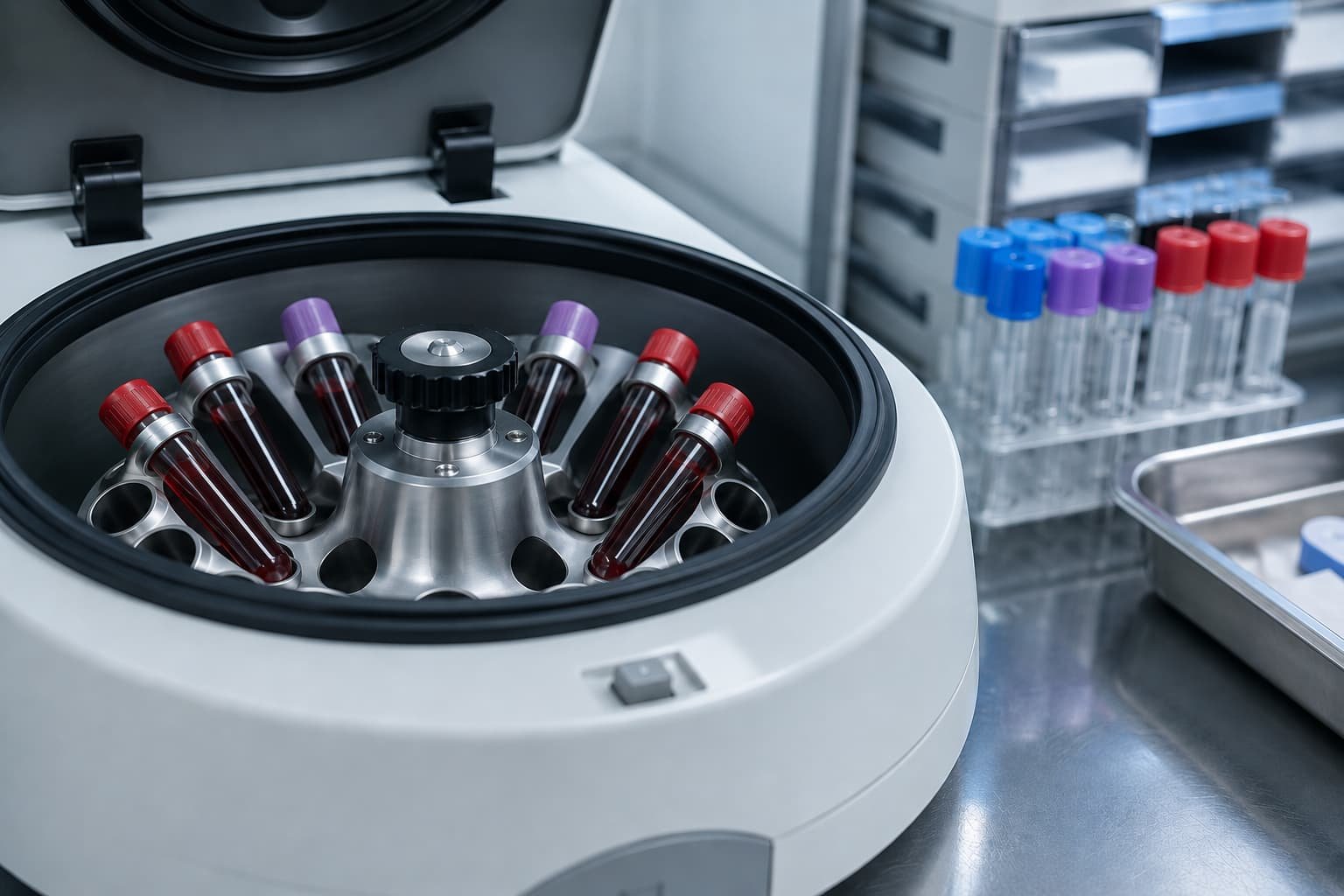
Blood is drawn from the patient in a small sample, similar to a routine blood test. A centrifuge separates platelet-rich plasma from red blood cells and other components. This process concentrates platelets to several times normal whole-blood levels. Local anaesthetic numbs the treatment area before injection to reduce discomfort. The entire P shot treatment session typically takes under an hour from consultation to completion.
P Shot Treatment Process
Initial consultation includes medical history review and discussion of realistic expectations. Blood is drawn, processed in a centrifuge, then prepared for injection into targeted tissue. A trained clinician administers the penile injection growth solution across identified treatment areas. Most men resume normal activity within a day, though sexual activity is typically paused briefly. Follow-up appointments monitor progress and determine whether repeat sessions may help. P shot London clinics generally recommend an initial consultation before confirming suitability.
Session Frequency and Success Factors
Clinics typically recommend an initial course of treatment before assessing whether further sessions add benefit. Some providers space sessions several weeks apart to allow tissue response between treatments. Reported success appears linked to factors including baseline vascular health, age and adherence to any recommended lifestyle changes. Smoking status and underlying diabetes control also influence how tissue responds to PRP injection. Clinics should set expectations during consultation rather than promising a fixed number of sessions for every patient.

Priapus Shot Price
Priapus shot price across UK clinics commonly ranges between £900 and £1,500 per session. Cost varies depending on clinic location, practitioner experience and the number of sessions recommended. Multiple sessions may be suggested, which increases total cost accordingly. P shot UK pricing generally reflects practitioner training, clinic overheads and aftercare provision. Private clinics do not currently receive NHS funding for this treatment category, so cost sits entirely with the patient. Prospective patients should request an itemised quote before committing to a treatment course.
Natural Remedies vs P-Shot: Comparing the Evidence
Clinical Trial Data
Evidence quality differs substantially when comparing Natural Remedies vs P-Shot treatment options directly. A 2021 Journal of Sexual Medicine randomised controlled trial examined PRP injections for erectile dysfunction. Results suggested measurable improvement in erectile function scores among treated participants. A 2023 European Urology trial produced more mixed findings, with less consistent benefit across the treated group. This evidence gap means Natural Remedies vs P-Shot comparisons cannot rely on a single definitive trial. Both treatment categories require further large-scale, long-term research before firm conclusions can be drawn. Existing studies remain limited by small sample sizes and short follow-up periods. Longer-term data tracking durability of PRP results beyond twelve months remains particularly sparse across published literature. Researchers have called for standardised PRP preparation protocols, since concentration and injection technique vary between studies and clinics. Men should understand that current evidence supports cautious optimism, not guaranteed outcomes, on either side of the Natural Remedies vs P-Shot decision.
Realistic Expectations and Before and After Results
P shot before and after comparisons circulating online rarely reflect controlled clinical conditions. Photographic comparisons vary due to lighting, positioning and individual healing timelines. Genuine outcomes depend heavily on baseline erectile function, age and underlying vascular health. Clinics presenting P shot before and after images should note that individual results vary considerably. Overpromising specific measurements or outcomes contradicts current evidence standards and professional guidance.
Why Some Men Try Both Natural Remedies and the P-Shot
Some men adopt lifestyle changes and supplements before considering any clinical procedure. Others try natural remedies without significant improvement, then explore the P-Shot as an additional option. The Natural Remedies vs P-Shot question often becomes less about choosing one approach, and more about sequencing both appropriately. Lifestyle modification supports overall vascular health, which may complement PRP-based tissue repair mechanisms. Combining approaches allows men to address modifiable risk factors alongside a targeted clinical intervention. No published evidence currently confirms that combining natural remedies with the P-Shot produces superior outcomes compared with either approach alone. Clinicians should discuss this evidence gap openly during consultation rather than implying guaranteed synergy between approaches.
PRP Research Beyond Erectile Dysfunction
PRP-based treatment is not unique to men’s sexual health and has an established research history elsewhere in medicine. Orthopaedic specialists use PRP injections to support healing in certain tendon and joint conditions. Dermatology applications include PRP for hair restoration and skin rejuvenation, with variable evidence quality across indications. This wider research base helps explain the biological rationale behind PRP, though evidence for each specific application must be assessed separately. Erectile dysfunction PRP research remains at an earlier stage compared with some of these established orthopaedic applications, and conclusions should reflect that difference in maturity.
Who Might Consider Each Option
Men with mild erectile dysfunction linked primarily to lifestyle factors may benefit from natural remedy approaches first. Men with persistent symptoms despite lifestyle changes may discuss P shot treatment during a GP or specialist consultation. Those with anatomical abnormalities, active infection or certain blood disorders may not suit PRP injection. A thorough medical assessment determines suitability for either pathway before any treatment begins.
Safety, Exclusion Criteria and Provider Selection
PRP-based regenerative therapy for ED carries a generally favourable safety profile, since PRP originates from a patient’s own blood. Reported side effects include temporary swelling, bruising and mild discomfort at the injection site. Serious complications remain rare when procedures follow appropriate clinical protocols. Exclusion criteria include active infection, bleeding disorders and certain blood-related medical conditions. Men taking blood-thinning medication should disclose this during consultation before any penile injection growth procedure. Selecting a provider with appropriate medical qualifications reduces risk and supports appropriate patient selection. Verifying practitioner registration with the General Medical Council offers an additional safeguard for prospective patients. Clinics should also confirm consent procedures, allergy screening and a clear aftercare plan before any injection takes place. Written information covering expected recovery time and warning signs of complications supports informed consent. Patients should feel able to ask about a practitioner’s specific training in PRP-based procedures, not only general aesthetic experience.
Non-Surgical Treatment for Erectile Dysfunction in London

London hosts numerous providers offering erectile dysfunction treatment London services, ranging from GP-prescribed medication to private regenerative clinics. Non-surgical treatment for erectile dysfunction in London includes PDE5 inhibitor medication, vacuum devices, and PRP-based injections such as the P-Shot. pshots clinic uk, a Harley Street clinic led by Dr Syed Nadeem Abbas, offers P shot treatment among its regenerative medicine services. Choosing a registered clinic with transparent pricing and clear safety information supports informed decision-making. Men comparing providers should check whether consultations are led by qualified medical practitioners rather than non-clinical staff. Clear communication about realistic outcomes distinguishes evidence-based clinics from those relying on promotional imagery alone.
Frequently Asked Questions
What is the core difference in the Natural Remedies vs P-Shot comparison?
Natural remedies rely on lifestyle change and supplementation to support blood flow. The P-Shot uses PRP injected directly into penile tissue to stimulate tissue repair.
Is the P-Shot more effective than natural remedies?
Direct comparative trials remain limited. Current evidence shows modest benefit from selected natural remedies and mixed but promising evidence for PRP-based treatment.
How much does the P-Shot cost in the UK?
Priapus shot price typically ranges between £900 and £1,500 per session, depending on clinic and practitioner experience.
Can natural remedies and the P-Shot be used together safely?
Many lifestyle-based natural remedies pose no known interaction risk with PRP treatment. A GP or specialist should confirm suitability beforehand.
Are P shot before and after results guaranteed?
No treatment guarantees specific results. Individual outcomes depend on baseline health, age and underlying causes of erectile dysfunction.
Who should avoid the P-Shot?
Men with active infection, certain blood disorders or unrealistic expectations of outcomes may not suit this treatment. Medical assessment determines individual suitability.
Key Takeaways
Men researching Natural Remedies vs P-Shot options benefit most from evidence-based information rather than promotional claims. Natural remedies offer a low-risk starting point supported by modest evidence, particularly lifestyle modification. The P-Shot represents a regenerative, non-surgical treatment for erectile dysfunction in London and across the UK, supported by early but still developing clinical evidence. Neither approach guarantees specific outcomes, and realistic expectations remain essential throughout treatment planning. Informed decision-making depends on understanding the evidence, discussing individual health history with a qualified clinician, and avoiding reliance on marketing claims or unverified before and after images. Given the current evidence base, which factor matters more when choosing between these approaches: the strength of clinical trial data, or the practical experience of trying a lower-risk option first?
Read more: Nutritional Support Alongside P Shot: What to Know Before Treatment
How Lifestyle Affects P Shot UK Results – Diet, Exercise, and Sleep
Dr Syed Nadeem Abbas, MBBS, MRCSEd, MSc Aesthetic Plastic Surgery (Distinction) Medical Director, Pshot Clinic | CQC Regulated | Monday to Saturday 10:00–18:00 +44 7955 836986


