Nutritional Support Alongside P Shot: What to Know Before Treatment

✅Medically reviewed | Updated August 2026
Interest in the P Shot has grown steadily across London clinics offering treatment for erectile dysfunction. Built on platelet-rich plasma (PRP) technology, this regenerative injection uses a patient’s own blood components to support tissue repair and encourage healthier blood flow. Men researching the Priapus shot often search for pricing, before and after results, and details on penile injection growth. Nutrition frequently appears in these searches too, with many men asking whether diet or supplements improve outcomes from a P shot treatment. Nutrition supports the vascular environment surrounding treatment, but it does not replace PRP’s regenerative mechanism. This article reviews the evidence behind nutritional support alongside PRP therapy, explains what UK health bodies say about diet and erectile function, and sets out realistic expectations before booking a consultation.
What Is the P Shot?
The P Shot, also called the Priapus shot or penis shot, involves PRP-based regenerative therapy for ED. Clinicians draw a small blood sample and separate it through centrifugation. This process isolates platelet-rich plasma, which then gets injected into targeted areas of the penis. The technique aims to support tissue repair, encourage blood vessel formation, and improve nerve sensitivity. Unlike oral medication, a P-shot relies on the body’s own healing response rather than pharmacological action. This non-surgical treatment for erectile dysfunction in London does not replace medical evaluation, and underlying causes require proper diagnosis first.
Some clinics list the procedure as Pshot in marketing material, though the clinical mechanism stays identical across naming conventions. The p injection process typically takes under an hour, including numbing time and recovery. A topical anaesthetic numbs the treatment area beforehand, reducing discomfort during injection. Most men return to normal activity within a day, though clinicians usually advise avoiding sexual activity for a short period afterwards.
Clinical interest in PRP therapy originated in orthopaedic and sports medicine, where practitioners used platelet concentrates to support tendon and joint repair. Application to sexual health followed a similar rationale, extending platelet-based tissue repair to penile vascular tissue. Research specific to sexual function remains smaller in scale than orthopaedic PRP literature, and this distinction matters when evaluating claims about outcomes.
How PRP Therapy Supports the Body’s Natural Healing Response
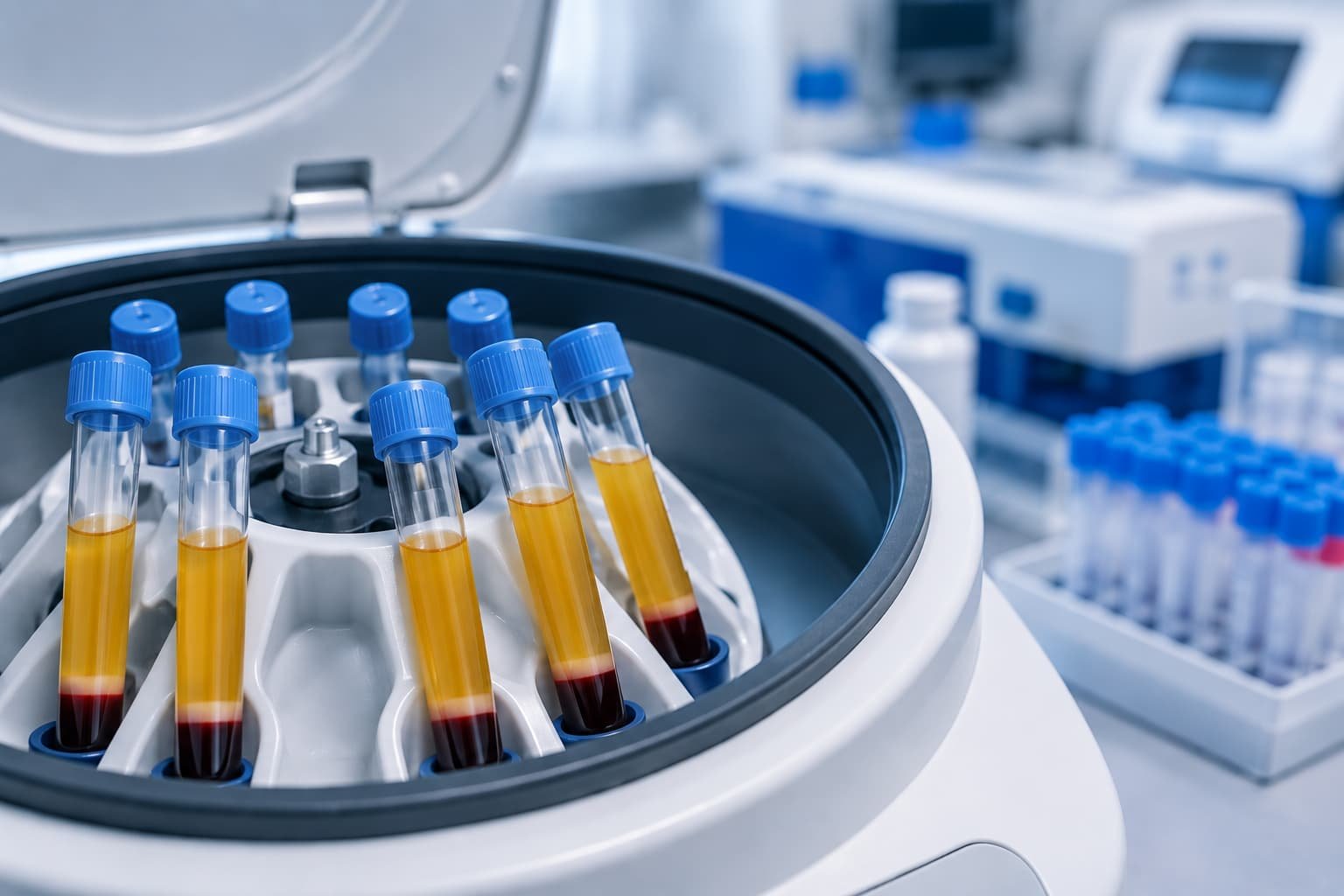
Platelets contain growth factors that signal surrounding tissue to repair and regenerate. When concentrated through centrifugation and injected into targeted tissue, these growth factors may encourage new blood vessel formation, a process called angiogenesis. Improved blood vessel density theoretically supports firmer, more sustained erections over time. This mechanism explains why vascular health, including nutritional status, forms part of the broader treatment picture.
Individual response to PRP therapy varies considerably. Age, baseline vascular health, smoking status, and underlying medical conditions all influence how tissue responds to treatment. Clinicians typically assess these factors during consultation before recommending a treatment plan.
Why Nutrition Matters Before Treatment
Nutrition does not substitute for the regenerative mechanism of PRP therapy. Diet, however, shapes the vascular and cellular environment PRP gets introduced into. Blood vessel health, inflammation levels, and platelet quality all connect to dietary patterns. Since PRP effectiveness depends partly on platelet concentration and function, poor nutritional status may reduce responsiveness in some men. Clinicians commonly advise attention to hydration, blood sugar control, and vascular health before any natural ED treatment using PRP therapy.
Evidence on Nutrients and Vascular Health
Vitamin D and Endothelial Function
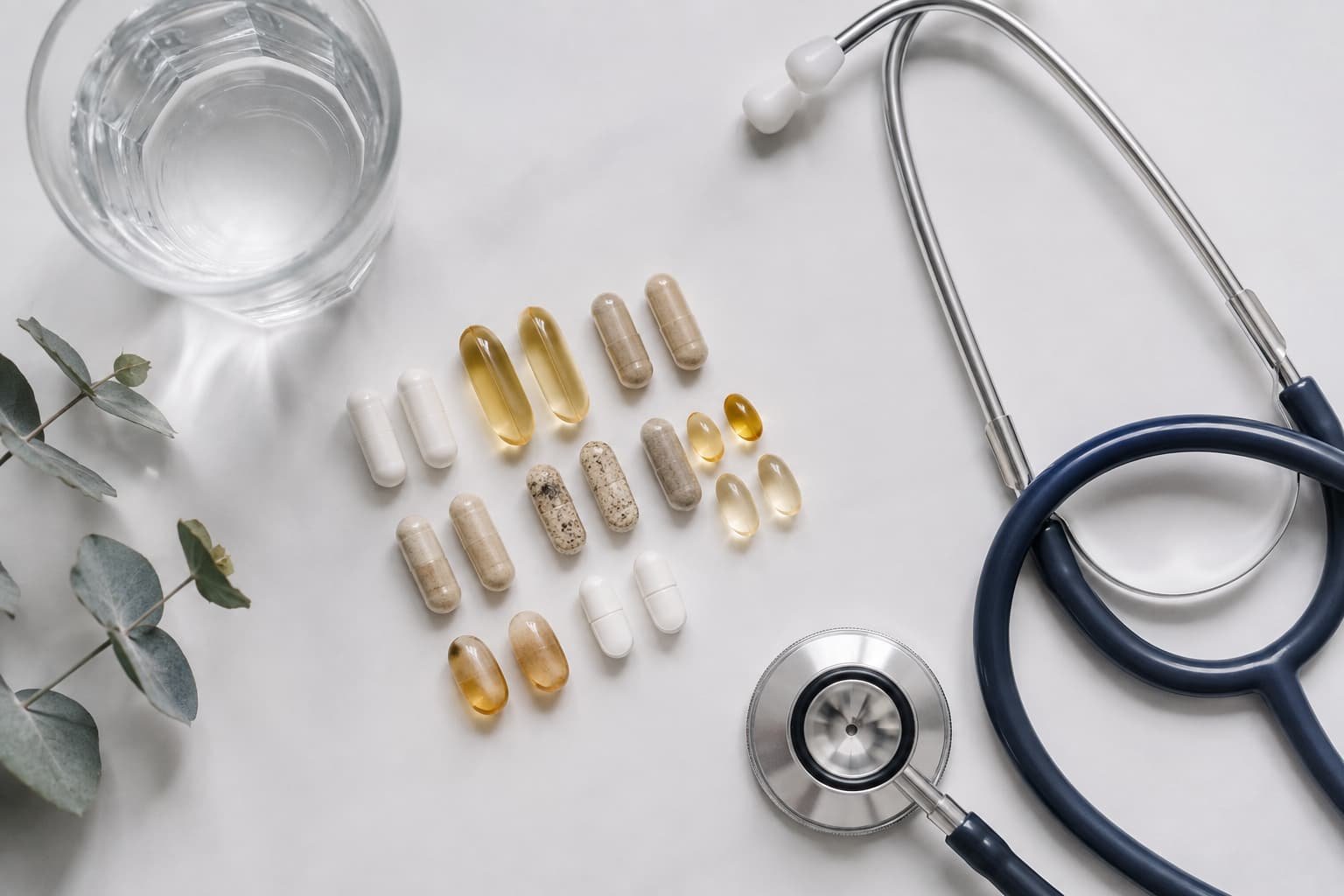
Vitamin D contributes to the function of blood vessel linings, known as the endothelium. Low vitamin D levels correlate with reduced nitric oxide availability in several observational studies. Nitric oxide relaxes blood vessels, a mechanism relevant to erectile function. Men with confirmed deficiency may benefit from correction under medical supervision. Vitamin D supplementation alone does not treat erectile dysfunction. UK adults receive general vitamin D guidance from Public Health England, particularly during autumn and winter months when sunlight exposure decreases. This broader public health context applies regardless of any PRP-based procedure.
Magnesium and Vascular Relaxation
Magnesium supports smooth muscle relaxation within blood vessel walls. Deficiency links to arterial stiffness and elevated blood pressure in clinical research. Adequate magnesium intake supports vascular conditions relevant to treatment outcomes. Green leafy vegetables, nuts, and whole grains provide dietary magnesium naturally. Most men obtain sufficient magnesium through a varied diet, and routine supplementation without confirmed deficiency offers limited additional benefit.
Omega-3 Fatty Acids and Circulation
Omega-3 fatty acids, found in oily fish, reduce inflammation and support healthy blood lipid levels. Cardiovascular health and erectile function share overlapping risk factors, as NHS guidance on erectile dysfunction confirms. Improved cardiovascular markers may indirectly benefit circulation relevant to PRP-based treatment. NHS dietary guidance recommends at least one portion of oily fish weekly, a target relevant well beyond sexual health alone.
Zinc and Hormonal Balance
Zinc supports testosterone production and immune function. Deficiency has been associated with reduced sexual function in some research. Shellfish, seeds, and legumes provide dietary zinc naturally. Supplementation should follow confirmed deficiency, ideally identified through blood testing rather than assumption. Excessive zinc intake can interfere with copper absorption, so self-directed high-dose supplementation carries its own risks.
Amino Acids: L-Arginine and L-Citrulline
L-arginine converts into nitric oxide within the body. L-citrulline acts as a precursor, often better absorbed than direct arginine supplementation. Some clinical trials report modest improvement in erectile function with citrulline use. Evidence remains limited, and results vary between individuals. Neither amino acid replaces PRP-based regenerative therapy for ED, though both may support vascular tone. Men taking nitrate-based medication or blood pressure treatment should discuss these amino acids with a prescriber first, since interactions are possible.
Antioxidants: Vitamin C and Vitamin E
Oxidative stress damages blood vessel linings over time. Vitamin C and vitamin E provide antioxidant protection relevant to vascular ageing. Citrus fruits, berries, nuts, and seeds supply these nutrients through normal diet. High-dose supplementation carries risks and requires medical guidance beforehand. Whole-food sources generally provide a safer route to adequate antioxidant intake than concentrated supplement doses.
Foods That Support Circulation Before Treatment
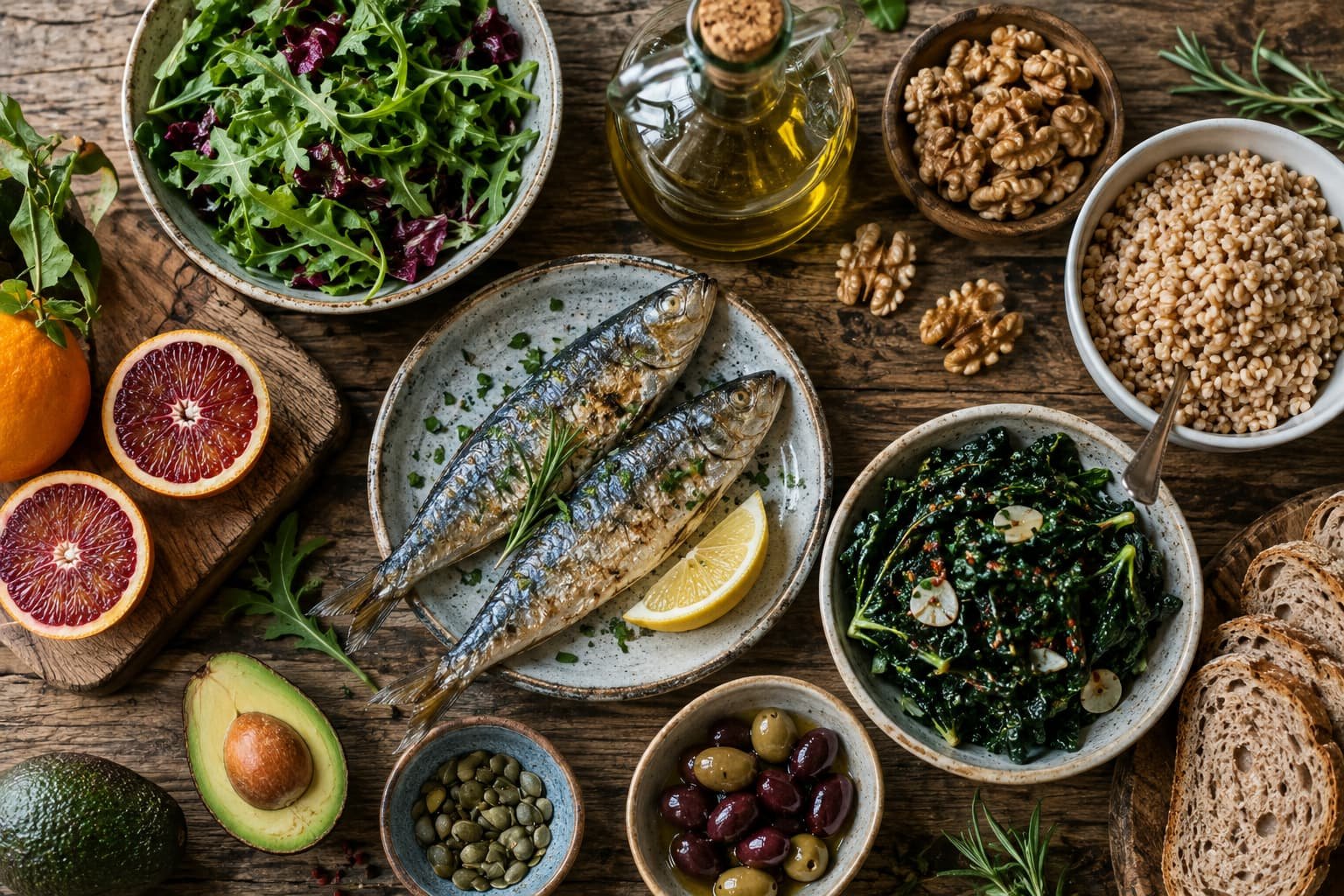
A Mediterranean-style dietary pattern appears repeatedly across erectile dysfunction research. This pattern includes vegetables, whole grains, olive oil, oily fish, and limited red meat. Men preparing for treatment may benefit from adopting similar habits weeks before their appointment. Consistent dietary patterns matter more than short-term supplementation before a single procedure.
Reducing processed sugar, trans fats, and excessive alcohol supports general vascular health. These recommendations align with NHS guidance on cardiovascular risk reduction, which extends to erectile function as a related vascular outcome. Wholegrain carbohydrates, legumes, and a wide variety of colourful vegetables provide fibre and micronutrients that support stable blood sugar and healthy blood lipid profiles over time.
Hydration, Blood Sugar, and Recovery Timing
Adequate hydration supports blood volume and circulation generally, relevant to any injection-based procedure. Stable blood sugar reduces inflammation and supports tissue repair processes following treatment. Men with diabetes or pre-diabetes should discuss glucose management with their clinician before any PRP-based procedure, since poor glycaemic control can affect healing and vascular outcomes more broadly.
Nutritional Factors That May Limit Treatment Results
Obesity and Metabolic Syndrome
Excess body weight correlates with reduced testosterone and impaired vascular function. Metabolic syndrome, involving high blood pressure, elevated blood sugar, and abnormal cholesterol, increases erectile dysfunction risk. Weight management before treatment may improve baseline vascular conditions relevant to a Priapus shot’s outcome.
Smoking and Alcohol
Smoking damages blood vessel linings and reduces circulation throughout the body. NICE guidance identifies smoking cessation as a key intervention supporting vascular health. Excessive alcohol consumption also impairs erectile function and may affect healing after injection-based treatments. Reducing both before treatment supports recovery and realistic expectations.
Evidence Quality: What Current Research Actually Shows
Research examining nutrition and erectile function spans observational studies, small randomised trials, and mechanistic laboratory work. Observational studies identify associations, such as a link betweenlow vitamin D and reduced erectile scores, without proving cause and effect. Randomised trials involving supplements like citrulline typically enrol modest participant numbers, limiting how confidently results generalise to a wider population. Clinicians weigh study design and sample size before translating findings into individual advice.
Mechanistic research explains plausible biological pathways, such as nitric oxide production or antioxidant protection of blood vessels, without confirming real-world treatment benefit. This distinction matters when evaluating marketing claims that cite scientific studies loosely. Robust evidence for PRP therapy itself also remains an evolving area, with ongoing research comparing outcomes across different injection protocols and patient groups across the P shot UK market.
What NHS and NICE Guidance Say About Diet and Erectile Dysfunction
NHS resources on erectile dysfunction highlight diet, weight, smoking, and alcohol as relevant modifiable factors. NICE Clinical Knowledge Summaries recommend addressing these factors alongside medical treatment for erectile dysfunction. Neither body currently endorses specific supplement regimens for use alongside PRP-based procedures. Clinical decisions about supplementation should always involve a qualified practitioner rather than self-directed regimens. No UK regulatory guidance recommends particular supplements specifically for pre-treatment preparation.
Practical Nutritional Preparation Before Appointment
Men considering a P shot London consultation often ask about pre-treatment preparation. Clinics generally recommend adequate hydration in the days beforehand. Avoiding excessive alcohol for 48 hours before treatment supports platelet function. Maintaining stable blood sugar levels benefits healing across most injection-based procedures. Consultation with a qualified clinician remains essential before altering diet or starting supplements, particularly for men with existing health conditions.
Common Misconceptions About Nutrition and the P Shot
A frequent misconception assumes that supplements alone reproduce PRP results without injection-based treatment. This assumption lacks clinical support and misrepresents how platelet-rich plasma works. Nutrition adjusts the surrounding vascular environment; it does not concentrate platelets or deliver growth factors directly into penile tissue. Another common misunderstanding treats all supplements as risk-free simply because they sit outside prescription medication categories. Some interact with blood thinners, blood pressure medication, or existing health conditions, making medical discussion necessary before starting any regimen.
Working With a Clinician on Nutritional Adjustments
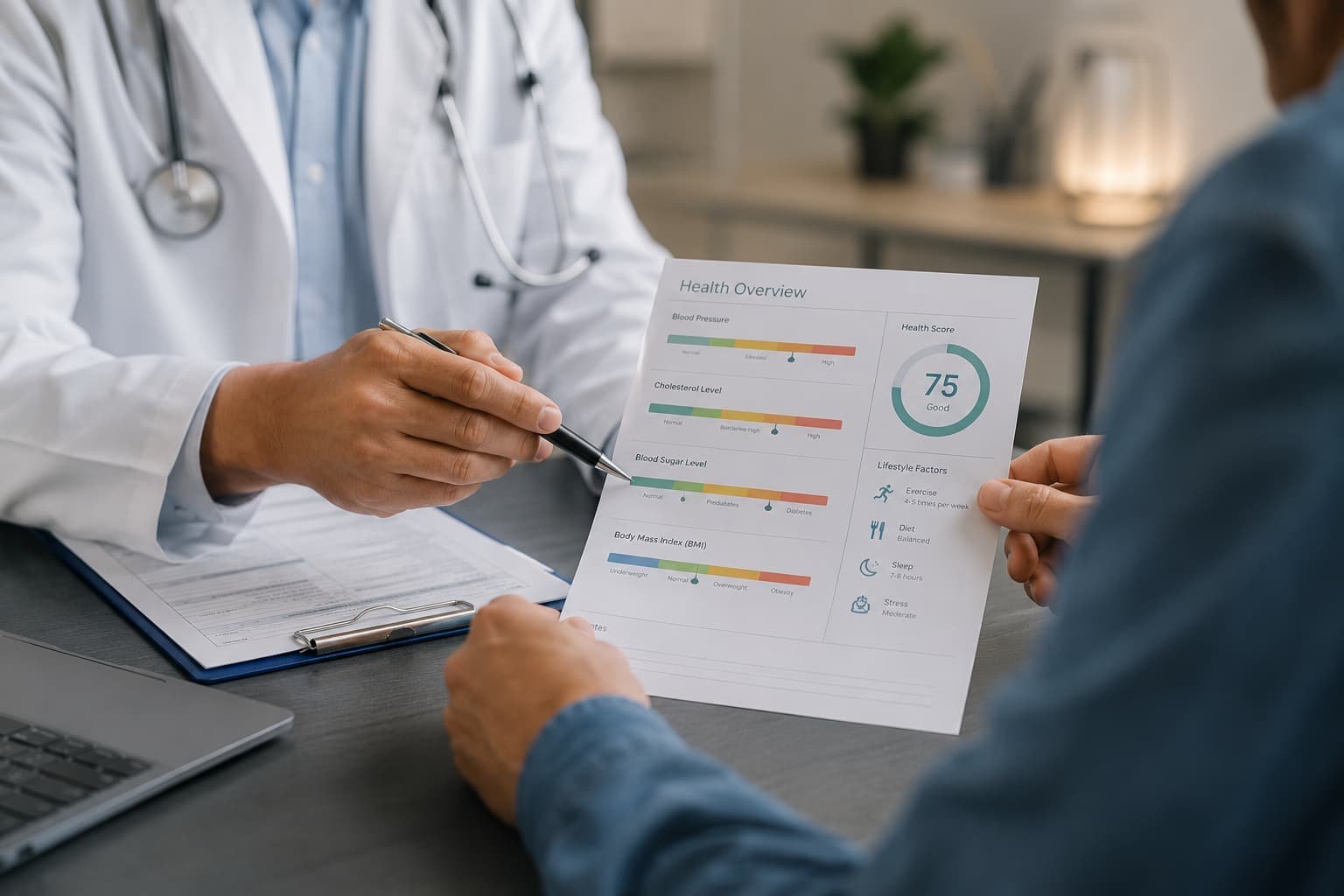
A pre-treatment consultation typically includes a review of current diet, supplement use, and relevant medical history. Clinicians may recommend blood tests to identify specific deficiencies rather than suggesting blanket supplementation. Targeted correction of confirmed deficiencies offers a more evidence-based approach than generic supplement stacks. This individualised assessment also considers medication interactions, existing cardiovascular risk factors, and realistic timeframes for dietary change to influence vascular health.
Limitations of Nutritional Support
Nutritional adjustments cannot replace the regenerative mechanism of a Priapus shot London procedure. No dietary supplement demonstrates equivalent efficacy to PRP injection in controlled clinical trials. Supplement research on erectile function often involves small sample sizes and short follow-up periods. Results vary significantly between individuals, and some supplements carry interaction risks with existing medication. Overstating outcomes from nutrition alone misrepresents current evidence. Men expecting dramatic penile injection growth from diet alone should recalibrate expectations, since nutrition supports rather than drives treatment results. Regulatory bodies in the UK do not currently approve specific supplement claims for erectile dysfunction, and marketing claims outside this framework warrant scepticism.
P Shot Price and Treatment Overview in London
Priapus shot price in the UK varies between clinics, depending on technique, aftercare protocol, and practitioner experience. Male enlargement injections cost uk-wide differs based on session number and clinic location. Harley Street and Marylebone clinics, including pshots clinic uk, led by Dr Syed Nadeem Abbas, offer this treatment as part of a broader non-surgical approach to sexual wellness. Pricing should always get confirmed directly with a clinic, since individual assessment affects the final cost. Growing search interest in erectile dysfunction treatment London reflects wider awareness of PRP-based, non-surgical options for ED.
P-shot Before and After: Setting Realistic Expectations
P shot before and after comparisons circulate widely online, though results depend on individual biology, technique, and aftercare. P-shot before and after photographs should get interpreted cautiously, since lighting, angle, and time-since-treatment all affect appearance. Clinics presenting realistic timelines, rather than dramatic transformation claims, tend to reflect evidence more accurately. Nutrition may support the healing window reflected in these comparisons, though it does not determine the outcome shown.
Frequently Asked Questions
Does diet affect treatment results?
Diet influences vascular health and platelet quality, both relevant to PRP therapy outcomes. Diet alone does not determine final treatment results.
Are supplements necessary before treatment?
Supplements are not mandatory before treatment. Correcting confirmed deficiencies under medical guidance may support general vascular health.
What is the average Priapus shot price in the UK?
Pricing varies by clinic, technique, and number of sessions required. Direct consultation provides accurate, individualised pricing information.
Can nutrition alone treat erectile dysfunction?
No. Nutrition supports vascular health but does not replace medical evaluation or evidence-based treatment options.
How soon can results appear after treatment?
Timelines vary between individuals. Clinics typically advise several weeks for initial changes and months for full assessment.
Is this a non-surgical treatment for erectile dysfunction in London?
Yes. The procedure is classified as a minimally invasive, non-surgical treatment using PRP technology.
Should existing medication be reviewed before starting supplements?
Yes. Certain supplements interact with blood pressure medication, blood thinners, or nitrate-based drugs. A prescriber or clinician should review any planned supplement regimen beforehand.
Does weight loss improve treatment outcomes?
Weight management can improve vascular and hormonal factors relevant to erectile function generally. It does not guarantee a specific treatment outcome, and individual results vary.
Conclusion
Nutritional support plays a genuine, though limited, role alongside PRP-based treatment. Vitamin D, magnesium, omega-3 fatty acids, zinc, and antioxidants each connect to vascular health relevant to PRP-based regenerative therapy for ED. None of these nutrients replace the treatment itself, and current evidence does not support supplement-only approaches to erectile dysfunction. Informed decisions rely on evidence, not promotional claims about penile injection growth or dramatic transformations. Men considering a P Shot should consult a qualified clinician, review realistic expectations, and address modifiable lifestyle factors alongside any procedure. What role might a structured review of diet and vascular health play in a man’s next conversation with a clinician about erectile dysfunction treatment?
Read more: How Lifestyle Affects P Shot UK Results – Diet, Exercise, and Sleep