P Shot and Weight Loss: Does BMI Affect Outcomes?

✅Medically reviewed | Updated August 2026
Body weight influences nearly every aspect of male sexual health, from hormone production to blood vessel function. Clinics offering regenerative treatments increasingly field questions about P Shot and Weight Loss, particularly whether body mass index changes the results a patient can expect. Patients researching the Priapus Shot often want a direct answer: does carrying extra weight reduce the benefit of platelet-rich plasma therapy for erectile function? This article examines the clinical relationship between BMI, erectile dysfunction, and PRP-based treatment, drawing on peer-reviewed research rather than promotional claims. Understanding this relationship matters before booking any P shot treatment, since realistic expectations depend on accurate evidence rather than marketing language.
Understanding the P Shot and Its Mechanism
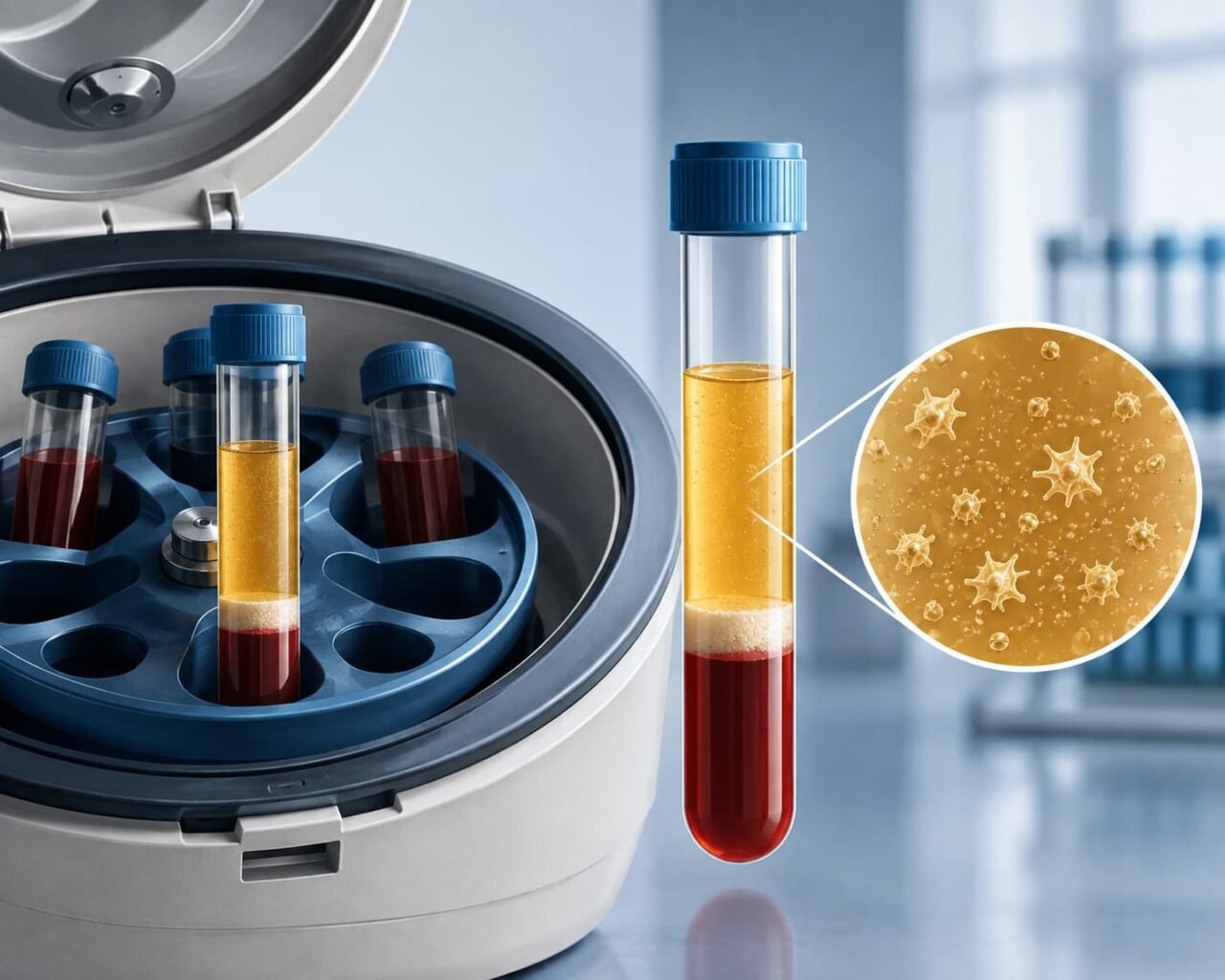
The P-shot, also known as the Priapus Shot, involves injecting platelet-rich plasma (PRP) derived from a patient’s own blood into specific areas of the penis. Practitioners extract a small blood sample, process it in a centrifuge, and isolate the platelet-rich fraction before injection. Platelets contain growth factors that support tissue repair and encourage new blood vessel formation.
This mechanism explains why some clinics describe the treatment as a natural ED treatment using PRP therapy rather than a pharmaceutical intervention. Patients sometimes refer to the treatment informally as a penis shot, though clinical documentation uses the terms P-shot or Priapus Shot. The procedure differs fundamentally from oral medications such as sildenafil, since PRP aims to address underlying tissue quality rather than temporarily increasing blood flow. Oral medications work by relaxing smooth muscle for a limited window, while PRP aims to support longer-term tissue repair through growth factor release. Because the P shot uses autologous plasma, allergic reaction risk stays low, and recovery time remains short for most patients.
BMI as a Clinical Marker in Sexual Health Assessment
Body mass index measures weight relative to height, producing a figure used across medicine to estimate weight-related health risk. The NHS defines a BMI between 18.5 and 24.9 as a healthy range for most adults. A BMI of 25 to 29.9 falls into the overweight category, and 30 or above falls into the obese category. Clinicians treat BMI as a starting point rather than a complete diagnostic tool, since it cannot distinguish muscle mass from fat tissue. For men considering P shot treatment, BMI offers useful context about cardiovascular and metabolic risk factors that commonly accompany erectile dysfunction. NICE guidance recommends assessing weight alongside waist circumference, since central obesity carries particular relevance to vascular health outcomes.
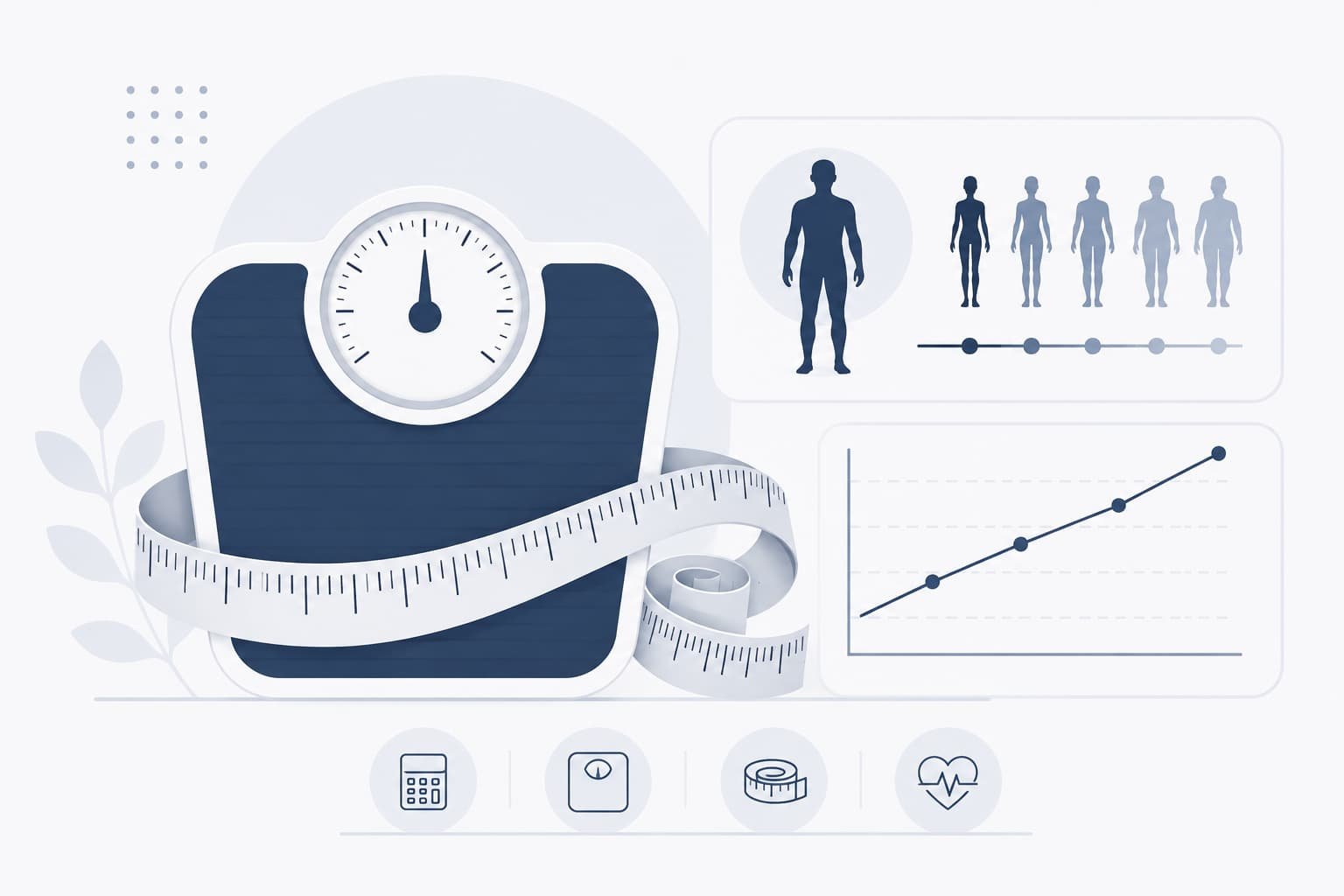
The NHS further divides obesity into three classes to guide clinical management. Class I covers a BMI of 30 to 34.9, Class II covers 35 to 39.9, and Class III covers 40 and above. Each class carries progressively higher risk of type 2 diabetes, hypertension, and cardiovascular disease. Ethnic background also affects healthy BMI thresholds. The NHS applies lower cut-off points for South Asian, Chinese, and African-Caribbean adults, since health risks emerge at comparatively lower BMI values within these populations. A thorough consultation before P shot treatment should account for these thresholds rather than applying a single standard across all patients.
The Established Link Between Obesity and Erectile Dysfunction
Peer-reviewed literature confirms obesity as an independent risk factor for erectile dysfunction, separate from age or existing cardiovascular disease. The Health Professionals Follow-up Study found obese men carry twice the erectile dysfunction risk compared with men in a normal weight range. Excess adipose tissue disrupts several biological systems that support healthy erectile function.
How Excess Weight Damages Erectile Function
Obesity contributes to endothelial dysfunction, a condition where blood vessels lose the ability to dilate properly. Reduced nitric oxide availability limits blood flow to erectile tissue, a mechanism central to most vascular causes of erectile dysfunction. Excess fat tissue also lowers testosterone levels through increased aromatase activity, which converts testosterone into oestrogen. Chronic low-grade inflammation, common in obesity, further impairs blood vessel and nerve function throughout the body. Insulin resistance compounds these effects, since elevated blood glucose damages small blood vessels supplying the penis over time.
P Shot and Weight Loss: What the Evidence Shows About BMI and Outcomes

Direct clinical data examining P Shot and Weight Loss together with treatment outcomes remains limited, reflecting a broader gap in PRP research generally. Existing studies offer indirect insight by evaluating PRP outcomes in patients with metabolic syndrome and obesity-related conditions. A prospective study followed 31 men with erectile dysfunction and metabolic syndrome. Obesity formed part of the inclusion criteria for this research. After three PRP injections spaced fifteen days apart, International Index of Erectile Function scores showed modest improvement. Scores rose from a mean of 18 before treatment to approximately 20 at one, three, and six months afterward. This improvement kept patients within the mild-to-moderate erectile dysfunction category rather than achieving full resolution. Such findings illustrate why BMI and weight-related comorbidities may limit maximum treatment benefit.
Lessons From PRP Research in Other Tissues
Research on PRP for knee osteoarthritis offers a useful comparison for understanding how BMI might influence outcomes elsewhere. A comparative study of 91 patients found significantly better long-term outcomes among patients with BMI under 30. Non-obese patients showed greater improvement on standard pain and function scoring at final follow-up compared with obese patients. Knee joints and penile tissue differ substantially in structure and function. Both studies still point toward a consistent pattern: higher BMI correlates with a less favourable regenerative treatment response. This pattern supports cautious interpretation when discussing P Shot and Weight Loss with patients carrying a higher BMI, since expectations should account for reduced, though not absent, benefit.
Why Weight Management Remains Central to ED Treatment
Multiple randomised controlled trials demonstrate that weight loss alone improves erectile function in overweight and obese men. The SHED-IT trial followed 145 overweight or obese men over six months. A structured weight loss programme produced a statistically significant improvement in erectile function scores within this trial. A separate randomised trial in JAMA reported similar findings among obese men following intensive lifestyle intervention. Research indicates that weight loss between five and ten per cent of body weight can meaningfully improve erectile function in diabetic and non-diabetic men alike. These findings suggest that P Shot and Weight Loss management work best as complementary strategies rather than competing options. A patient pursuing PRP therapy while also addressing excess weight through diet and exercise may achieve more favourable results than PRP treatment alone.
Non-Surgical Treatment for Erectile Dysfunction in London: Where the P Shot Fits
London offers numerous options for men seeking a non-surgical treatment for erectile dysfunction in London, ranging from oral medication to injectable therapies. Men comparing erectile dysfunction treatment London providers often encounter the informal term penis shot alongside the clinical name P-shot or Priapus Shot. The P shot UK market has grown alongside rising interest in regenerative and PRP-based approaches, and demand for Priapus shot London clinics has increased correspondingly. Compared with penile implants or vascular surgery, PRP injection requires no general anaesthetic and involves minimal downtime. This makes PRP-based regenerative therapy for ED an attractive option for men seeking to avoid invasive procedures, provided expectations remain realistic. PRP treatment does not, however, replace management of underlying causes such as diabetes, cardiovascular disease, or obesity. A comprehensive assessment before P shot London treatment should include cardiovascular risk screening, testosterone testing where indicated, and an honest discussion of BMI-related factors.
P Shot Before and After: Realistic Expectations Across BMI Categories
Patients researching P shot before and after results often compare photographs and testimonials found online. BMI represents just one variable relevant to P Shot and Weight Loss outcomes, alongside age, baseline erectile function severity, and vascular health. Men within a healthy BMI range may experience more consistent penile injection growth and firmness improvements, since underlying blood vessel function typically remains less compromised. Men with higher BMI can still benefit from p injection treatment, though results may develop more gradually and modestly. Clinics should avoid presenting P-shot before and after images as guaranteed outcomes, since photographic comparisons cannot control for lighting, angle, or arousal state. Setting expectations around BMI honestly protects patients from disappointment and supports informed consent.
Priapus Shot Price and Practical Considerations in London
Priapus shot price varies across London clinics depending on practitioner qualifications, PRP preparation technique, and included aftercare. Men researching male enlargement injections cost uk should treat price as one factor among several, alongside practitioner experience and clinical governance standards. Choosing a provider based solely on cost overlooks safety considerations that matter more for long-term outcomes. A single Pshot session rarely constitutes complete treatment. Most protocols involve a course of injections spaced several weeks apart, similar to the metabolic syndrome study described earlier. Total cost calculations should account for the full treatment course rather than a single session price alone.
Safety Considerations for Patients With Higher BMI
Higher BMI can complicate certain aspects of P shot treatment, including needle placement and local anaesthetic dosing in patients with increased suprapubic fat. Obesity also raises baseline risk for cardiovascular events, a relevant consideration when planning any injection-based procedure. Clinicians should screen for uncontrolled diabetes, since poor glycaemic control impairs wound healing and platelet function. Patients with a BMI in the obese range benefit from discussing weight management alongside priapus shot treatment planning, rather than viewing PRP as a standalone solution. Mentioning these factors during consultation reflects standard clinical practice rather than discouraging treatment altogether.
Weight Management Pathways Alongside PRP Treatment

Men with a raised BMI can access several structured weight management pathways before or alongside PRP-based treatment. NHS Tier 2 programmes offer group-based lifestyle support for adults with a BMI of 30 or above, focusing on diet, physical activity, and behaviour change. Tier 3 services provide more intensive, specialist-led support for men with a BMI of 35 or above alongside additional health conditions. Bariatric surgery remains an option for carefully selected patients with a BMI of 40 or above, or 35 or above with significant comorbidities, following completion of a structured weight management programme. Private clinics offering P shot treatment can complement these pathways by monitoring cardiovascular and metabolic markers relevant to erectile function throughout a patient’s weight loss journey. Combining structured weight management with PRP therapy allows clinicians to track improvement across two connected but distinct treatment goals.
Consultation Standards Before P Shot Treatment
A thorough consultation before any P shot procedure should include a detailed medical history, current medication review, and assessment of cardiovascular risk factors. Baseline erectile function scoring using a validated questionnaire, such as the International Index of Erectile Function, allows clinicians to measure treatment response objectively. Recording BMI, blood pressure, and relevant blood tests supports informed discussion about likely outcomes. Patients benefit from understanding that PRP therapy addresses tissue-level factors, while weight, blood glucose, and blood pressure control address the broader vascular environment surrounding erectile function. Clear, balanced communication during consultation reduces the risk of unrealistic expectations following treatment.
The Broader Clinical Picture: Combining Approaches for Better Outcomes
Evidence consistently favours a combined approach over any single intervention when addressing erectile dysfunction linked to excess weight. Men benefit from addressing modifiable risk factors, including diet, physical activity, smoking cessation, and alcohol intake, alongside any injectable therapy under consideration. Clinics offering PRP-based treatment for erectile dysfunction, including pshots clinic uk under the clinical direction of Dr Syed Nadeem Abbas, typically incorporate weight and cardiovascular risk assessment into consultation before treatment begins. Regenerative treatments and weight management address different, complementary aspects of erectile dysfunction rather than substituting for one another.
Frequently Asked Questions
Does a higher BMI reduce P shot effectiveness?
Evidence suggests higher BMI correlates with a more modest response to PRP-based regenerative treatments generally, though direct P Shot and Weight Loss trial data remains limited. Weight management alongside treatment may improve overall outcomes.
Can obese men still receive P shot treatment?
Obesity itself rarely excludes a patient from p injection therapy. Clinicians assess cardiovascular and metabolic health beforehand to plan treatment safely.
Does weight loss alone improve erectile dysfunction?
Randomised controlled trials confirm that weight loss of five to ten per cent of body weight improves erectile function scores in overweight and obese men.
How many sessions does P shot treatment typically require?
Most protocols involve a short course of two to three injections spaced weeks apart, though individual clinic protocols vary.
Is the P shot suitable as a first-line ED treatment?
Many men try oral medication first. Clinicians often consider PRP therapy when other options prove ineffective or unsuitable.
Should weight loss happen before or after P shot treatment?
Clinicians often recommend addressing weight and cardiovascular risk factors alongside PRP treatment rather than delaying care entirely, since both approaches work through different mechanisms and can proceed together under appropriate supervision.
Does BMI affect the safety of P shot injections?
Higher BMI can affect needle placement and local anaesthetic dosing, though it rarely prevents treatment outright. A thorough pre-treatment assessment identifies any additional precautions needed for individual patients.
Key Takeaway
Evidence connecting BMI with erectile dysfunction remains strong and consistent across multiple large studies. Direct research specifically measuring P Shot and Weight Loss outcomes together remains comparatively sparse, but related PRP evidence across other tissue types suggests higher BMI may reduce, without eliminating, regenerative treatment benefit. Patients researching PRP-based regenerative therapy for ED benefit from combining realistic expectations with attention to modifiable weight-related risk factors. Choosing a qualified practitioner, understanding priapus shot price transparently, and addressing weight through evidence-based methods together support better long-term sexual health outcomes. Given the strength of evidence linking excess weight to erectile function, might addressing weight before or alongside PRP treatment offer better value than pursuing injection therapy in isolation?
Read more: How Lifestyle Affects P Shot UK Results – Diet, Exercise, and Sleep