
Men over sixty considering the Priapus Shot often search for one thing: proof. Marketing pages promise dramatic transformations, while online forums swing between glowing praise and outright dismissal. Neither extreme offers an accurate picture. P Shot results in men over sixty depend on measurable biological factors, not age alone. This article sets aside promotional language and examines current evidence, UK clinical guidance, and procedural mechanics relevant to this age group.
Erectile function naturally declines with age, driven by reduced blood vessel elasticity, lower testosterone, and increased vascular risk factors such as hypertension and diabetes. Regenerative approaches using platelet-rich plasma have entered mainstream urology and orthopaedic practice over the past two decades. The P Shot represents an extension of that same science into men’s sexual health. Understanding what the procedure can realistically achieve after sixty requires separating established evidence from anecdote, alongside a clear review of safety considerations specific to an older patient population.
What Happens to Erectile Function After Sixty
Erectile dysfunction affects a substantial proportion of men over sixty, with prevalence rising sharply across each decade of life. NHS guidance identifies vascular disease, diabetes, and reduced testosterone as leading contributors to ED in older men. NICE Clinical Knowledge Summaries note that erectile dysfunction becomes markedly more common after age fifty, frequently coexisting with cardiovascular disease.
Age-related decline stems primarily from reduced blood flow, not solely from testosterone changes. Blood vessels lose elasticity over time, smooth muscle within the corpora cavernosa weakens, and nerve sensitivity gradually diminishes. These physiological shifts explain why standard oral medications, which primarily enhance existing blood flow, sometimes lose effectiveness in older patients with more advanced vascular impairment. Understanding this underlying biology matters before evaluating any regenerative treatment option.
Prevalence and Cardiovascular Overlap
Cardiovascular disease and erectile dysfunction frequently share the same underlying vascular pathology, and NICE guidance recommends cardiovascular risk assessment for men presenting with new-onset ED. This overlap carries particular relevance for men over sixty, a group already at higher baseline cardiovascular risk. A thorough medical history therefore forms an essential first step before considering any regenerative or pharmaceutical treatment, including the P Shot.
What Is the P Shot and How Does It Work
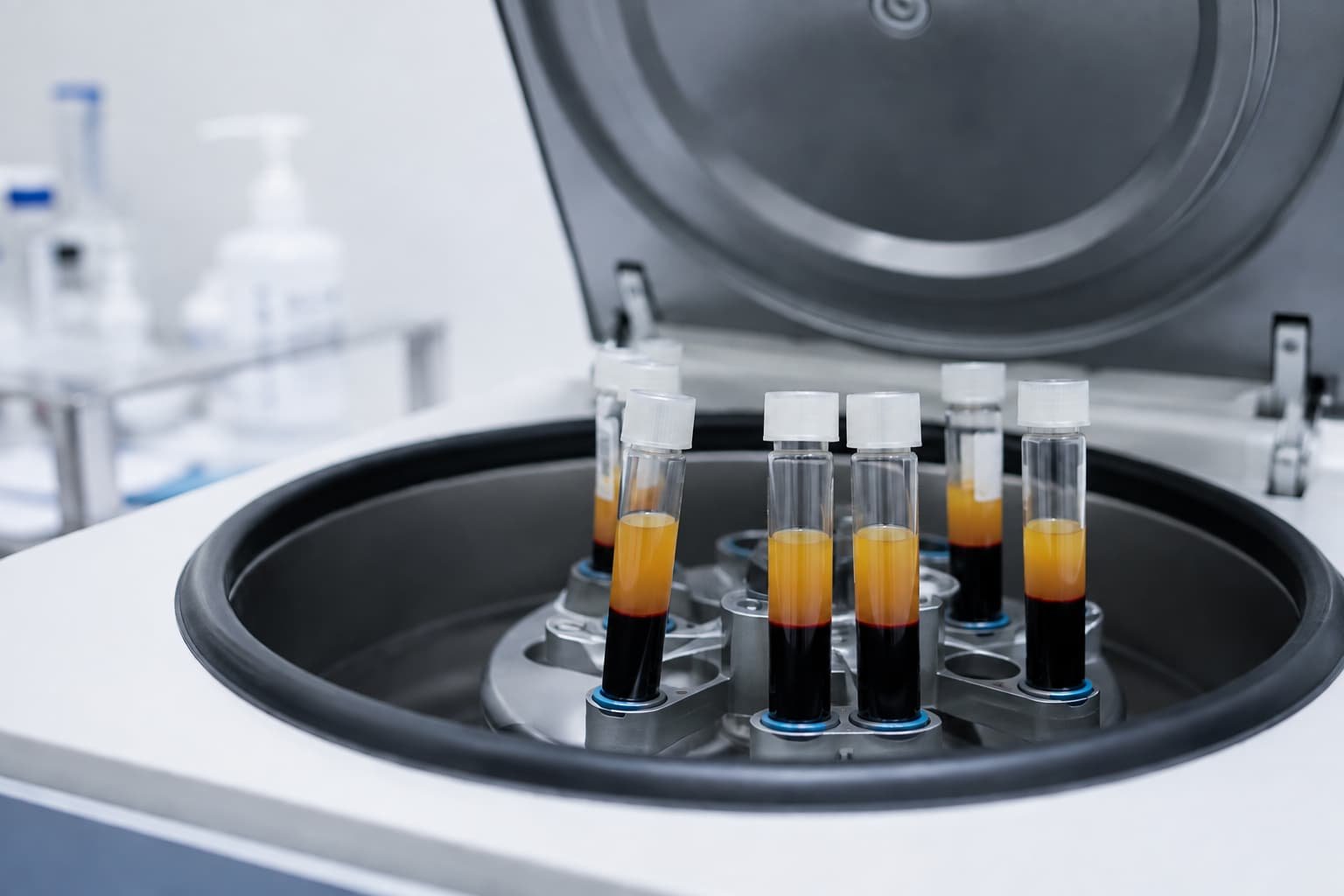
The P Shot, known clinically as the Priapus Shot, offers a non-surgical treatment for erectile dysfunction in London and across the UK. The procedure uses platelet-rich plasma, a concentrate derived from a patient’s own blood, injected directly into penile tissue. A trained clinician draws a small blood sample, processes the sample through a centrifuge, and isolates the platelet-rich fraction before injecting the concentrate using fine syringes at targeted sites. The entire process typically forms part of a single outpatient appointment, with no general anaesthetic required.
The Biology of Platelet-Rich Plasma
PRP contains growth factors that stimulate angiogenesis, the formation of new blood vessels, alongside collagen production and localised tissue repair. This regenerative mechanism underpins natural ED treatment using PRP therapy across multiple specialities, from orthopaedic tendon repair to dermatology. The same growth factors responsible for wound healing elsewhere in the body drive the intended effect of penile injection growth in P Shot treatment. Peer-reviewed literature on PRP in musculoskeletal medicine supports its regenerative role, though sexual health applications remain a comparatively newer research area.
Nerve fibre repair and reduced localised inflammation also feature among the proposed mechanisms, particularly relevant for men reporting reduced sensitivity alongside erectile difficulty. Processing quality varies between providers, and the concentration achieved during centrifugation directly affects how much growth factor activity reaches the treated tissue.
P Shot Results in Men Over 60: What the Evidence Shows
Clinical data specific to men over sixty remains limited compared with broader ED research, though existing studies offer meaningful signals. A randomised, double-blind, placebo-controlled trial in the Journal of Sexual Medicine (Poulios et al., 2021) recorded significant improvement in erectile function scores among treated participants at six months, compared with placebo. P Shot results in this trial correlated more closely with baseline vascular health than with age category alone. Men with mild to moderate vascular-related ED demonstrated the most consistent improvement, a pattern echoed across most published PRP-for-ED research to date.
Other trials, including work in European Urology, produced more mixed findings, underscoring that PRP-based regenerative therapy for ED remains an evolving field rather than a settled one. Study design, PRP processing method, and injection technique all vary between trials, which complicates direct comparison and reinforces the need for individualised clinical judgement rather than blanket claims.
The Evidence Gap for This Age Group
No large-scale UK trial has isolated men over sixty as a distinct study population. P Shot UK clinics therefore extrapolate from mixed-age cohorts and general vascular medicine principles when advising older patients. This evidence gap matters. Men reviewing p injection treatment options should understand that individual response varies considerably, and that published success rates describe averages across broader age ranges rather than guarantees for any single patient.
Realistic Timeline for P Shot Results
Understanding a realistic timeline helps set appropriate expectations. P Shot results typically develop gradually over several weeks rather than appearing immediately. In the first one to two weeks, treated tissue settles and mild swelling or bruising resolves. By week four, many patients report early changes in sensitivity or morning erection quality, correlating with early-stage angiogenesis.
The most noticeable improvements generally emerge between weeks eight and twelve, as new blood vessel networks mature. Reported benefits commonly last between six and twelve months, with some patients experiencing effects beyond eighteen months depending on vascular health, lifestyle, and underlying risk factors. Age does not eliminate this trajectory, though slower baseline tissue repair in older patients may extend timelines modestly compared with younger cohorts.
Who Responds Best After Sixty
Response to PRP injection varies according to specific clinical factors rather than chronological age in isolation.
Favourable Candidates
Men with mild to moderate vascular-related erectile dysfunction, adequate baseline testosterone, and controlled blood pressure tend to respond most consistently. Non-smokers and men without poorly controlled diabetes generally show more predictable improvement, reflecting the treatment’s dependence on functioning vascular tissue for angiogenesis to occur. Men who have found PDE5 inhibitors partially effective, or who prefer to avoid ongoing medication, often explore P Shot treatment as a complementary or alternative option.
Medical Exclusions and Cautions
Certain conditions rule out treatment regardless of age. These include active genital infection, bleeding disorders, platelet dysfunction, and use of anticoagulant medication without medical clearance. Men undergoing active cancer treatment, particularly pelvic radiotherapy, require careful case-by-case assessment. A responsible clinic screens thoroughly before treatment rather than proceeding on request alone. Pre-existing severe vascular disease, uncontrolled diabetes, or advanced Peyronie’s disease may reduce the likelihood of meaningful improvement. An honest consultation should communicate this clearly rather than promising uniform outcomes.
Lifestyle Factors That Influence Outcomes
Lifestyle factors carry particular weight for men over sixty considering this treatment. Regular physical activity supports healthy vascular function and may improve overall treatment response. Smoking cessation ranks among the most impactful changes a patient can make, since tobacco use directly damages the small blood vessels that PRP aims to regenerate.
Well-managed blood pressure and blood glucose levels also support better outcomes, reinforcing the close relationship between general cardiovascular health and sexual function. A pre-treatment consultation typically reviews these factors alongside standard medical history, allowing the treating clinician to set realistic, patient-specific expectations rather than relying on generic timelines.
Comparing the P Shot With Other ED Options
Placing P Shot treatment alongside established alternatives clarifies where it fits within erectile dysfunction treatment London options. PDE5 inhibitors such as sildenafil and tadalafil remain first-line options per NICE guidance, offering effects lasting four to thirty-six hours depending on the formulation. Injectable alprostadil, sold under the brand Caverject, works directly at the injection site but requires repeat dosing before each sexual encounter.
Penile implants provide a permanent surgical solution but involve significant cost, invasive surgery, and extended recovery time. Vacuum erection devices offer a non-invasive mechanical option that requires no injection. The P Shot occupies a distinct category: a single autologous procedure using the patient’s own biological material, with minimal downtime and no synthetic substances introduced.
Autologous Profile and Medication Considerations
For men over sixty managing multiple medications, this autologous profile may reduce interaction concerns compared with additional pharmaceutical options. A prescribing GP should always confirm suitability alongside any existing treatment plan, particularly where anticoagulants, blood pressure medication, or nitrates form part of a current regimen.
Combining the P Shot With Shockwave Therapy
Some clinics offer low-intensity shockwave therapy alongside PRP injections, particularly where reduced blood flow forms the primary underlying issue. Shockwave therapy works through a separate mechanism, stimulating new vessel growth via mechanical pressure waves rather than injected growth factors. Combining both approaches targets vascular repair from two distinct biological angles. Evidence for combination protocols remains preliminary, and men should discuss whether this dual approach suits their individual clinical picture before proceeding.
P Shot Treatment in London: What to Expect
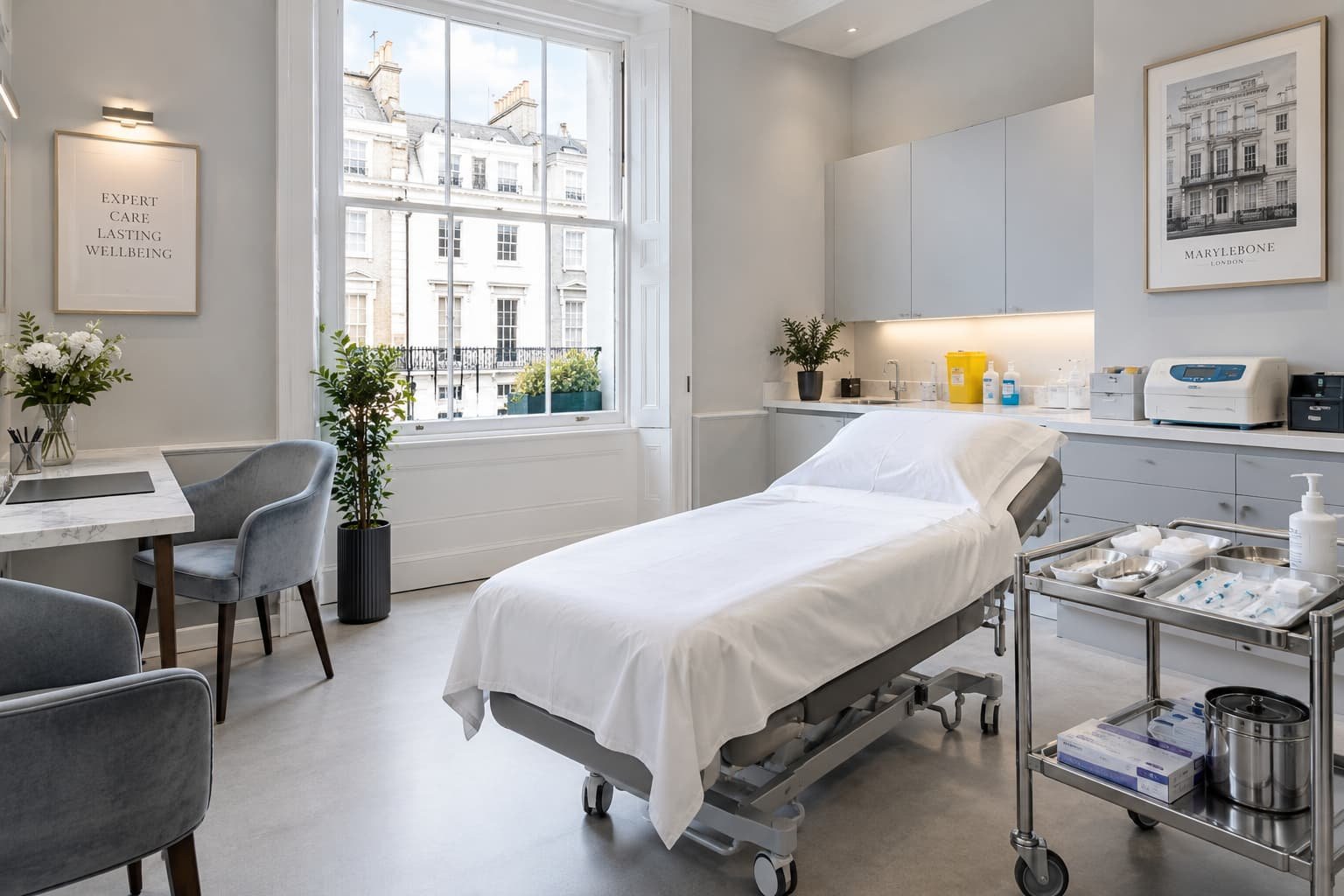
A typical P Shot London appointment runs between thirty and forty-five minutes. Topical anaesthetic cream numbs the treatment area beforehand, and some clinics offer a nerve block for men with lower pain tolerance. The clinician draws blood from the arm in a manner similar to a routine test, then processes it in a centrifuge for approximately fifteen minutes.
The clinician then administers PRP injections across several precise sites. Most patients resume normal daily activity within hours. Priapus Shot London clinics typically schedule follow-up reviews at six and twelve weeks to monitor progress. Private clinics offering this treatment include pshots clinic uk, a Harley Street practice led by Dr Syed Nadeem Abbas.
A thorough initial consultation should precede any booking, covering full medical history, current medication, and relevant blood tests where indicated. Men over sixty benefit particularly from a cardiovascular health review at this stage, given the established overlap between vascular disease and erectile dysfunction. Clinics that skip this step in favour of same-day treatment warrant additional scrutiny.
Priapus Shot Price in London
Priapus shot price in London typically ranges from approximately £900 to £1,500 per session, varying by clinic, PRP processing protocol, and whether shockwave therapy or other adjuncts accompany treatment. Transparent, itemised pricing including consultation and follow-up reviews reflects good clinical practice. Men should approach clinics offering treatment without a prior medical assessment with caution.
P Shot Before and After: Interpreting Results Responsibly
P Shot before and after imagery circulates widely online, but photographs alone cannot convey functional change, sensation, or patient-reported satisfaction. Visual comparison photographs offer limited clinical value without accompanying functional assessment data. Reputable clinics rely on validated erectile function questionnaires and follow-up consultations, rather than photography alone, to track genuine progress.
Men reviewing before-and-after material from any provider should treat it as illustrative rather than predictive of individual outcome. Lighting, positioning, and timing all influence how photographs appear, further limiting their value as standalone evidence of treatment success.
Safety, Limitations and Managing Expectations
PRP-based procedures carry a generally favourable safety profile, since the injected material originates from the patient’s own blood, reducing rejection or allergic reaction risk. Minor swelling, bruising, or localised tenderness for twenty-four to forty-eight hours represents the most commonly noted side effect. Serious complications remain rare when appropriately trained practitioners work within regulated clinical settings.
No treatment guarantees results, and no reputable clinic should promise a fixed percentage improvement for every patient. Men with significant underlying vascular disease, advanced diabetes, or extensive prior pelvic surgery may see limited benefit. This possibility should form part of every pre-treatment discussion.
Peyronie’s disease, involving fibrous scar tissue and penile curvature, sometimes affects older men alongside erectile dysfunction. Some clinical reports describe reduced curvature or discomfort following PRP treatment, though this application requires separate, cautious evaluation rather than routine assumption of benefit. Realistic expectations, grounded in individual health status rather than marketing claims, remain central to informed decision-making.
Frequently Asked Questions
Does the P Shot work for men over sixty?
Evidence suggests P Shot results depend more on vascular health than on age. Men with mild to moderate ED-related blood flow issues tend to see the most consistent benefit, regardless of being over sixty.
How soon do P Shot results appear?
Early changes often emerge around week four, with the fullest improvement typically appearing between weeks eight and twelve.
Is the P Shot painful?
Topical numbing cream reduces most discomfort to a mild pressure sensation. A nerve block remains available for men with lower pain tolerance.
How much does treatment cost in London?
Priapus shot price commonly ranges from £900 to £1,500 per session, depending on clinic protocol and any combined therapies.
Can older men with health conditions have the P Shot?
Suitability depends on individual medical history. Bleeding disorders, uncontrolled diabetes, and certain cancer treatments may exclude candidacy. A full medical assessment should always precede any decision.
Does PRP processing quality affect P Shot results?
Processing protocol influences platelet concentration, and higher concentration generally supports stronger growth factor activity. Clinics using validated dual-spin centrifuge methods typically achieve more consistent P Shot results than those using basic single-spin processing.
Key Takeaways
P Shot results in men over sixty reflect a genuinely individual process rather than a fixed outcome tied to age. Evidence supports meaningful improvement for men with mild to moderate vascular-related erectile dysfunction, while men with more advanced vascular or metabolic conditions face a more uncertain prognosis.
Understanding realistic timelines, safety profiles, and correct candidacy criteria supports informed decision-making, rather than reliance on marketing promises. Every man considering this treatment deserves an honest, evidence-based conversation about what his own body is likely to achieve. Given the wide variation in individual response, which specific health factors might most influence a favourable outcome for a particular patient at this stage of life?
Read more: PRP Centrifuge Process: How Platelets Are Separated for P-Shot Treatment
Best Age for P Shot: Is There an Ideal Time to Start Treatment?
Dr Syed Nadeem Abbas, MBBS, MRCSEd, MSc Aesthetic Plastic Surgery (Distinction) Medical Director, Pshot Clinic | CQC Regulated | Monday to Saturday 10:00–18:00 +44 7955 836986


