PRP Centrifuge Process: How Platelets Are Separated for P-Shot Treatment

✅Medically reviewed | Updated August 2026
A single tube of blood holds more regenerative potential than most patients realise. The PRP centrifuge process transforms ordinary blood into a concentrated platelet solution within minutes. This separation step forms the clinical foundation of P shot treatment, a procedure that has attracted growing interest among men researching non-surgical options for sexual health concerns. Understanding how a centrifuge actually separates platelets from whole blood helps patients evaluate the science behind the P Shot UK clinics offer, rather than relying on marketing claims alone. This article explains the mechanics, equipment, evidence, and limitations behind platelet separation, presenting the topic in clear, factual terms without exaggerating outcomes or promising results that current research cannot support.
What Is Platelet-Rich Plasma?
Platelet-rich plasma, commonly known as PRP, is a concentration of platelets suspended in a small volume of a patient’s own plasma. Platelets are small blood cells best known for their role in clotting. They also store growth factors within structures called alpha granules. These growth factors include platelet-derived growth factor, vascular endothelial growth factor, and transforming growth factor-beta. Researchers believe these proteins support tissue repair, blood vessel formation, and cell signalling. Standard whole blood does not contain enough platelets concentrated in one location to produce a meaningful regenerative effect when injected, which is why separation and concentration matter before any clinical use.
Understanding the PRP Centrifuge Process
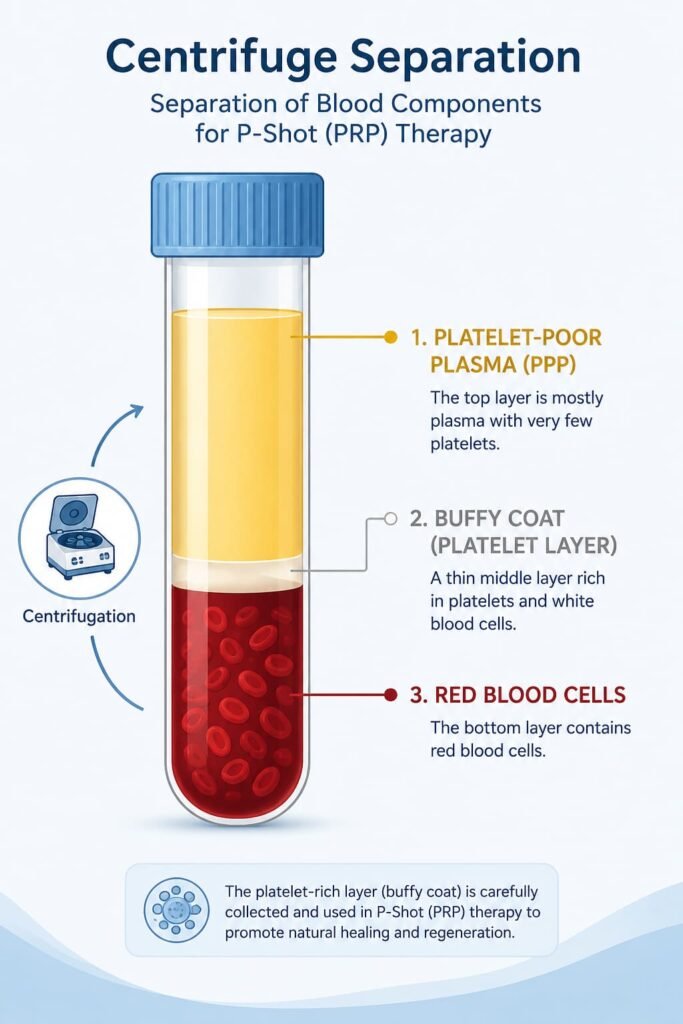
The PRP centrifuge process refers to the mechanical separation of blood components using centrifugal force. A centrifuge spins blood samples at controlled speeds, measured in revolutions per minute or relative centrifugal force. This spinning action separates blood into distinct layers based on density. Red blood cells, being heaviest, settle at the bottom of the tube. Platelet-poor plasma, the lightest component, rises to the top. A concentrated platelet layer, along with white blood cells, forms a thin band in between, known as the buffy coat. Clinicians extract fluid from this middle zone to create the final platelet-rich plasma product.
The entire process typically takes between fifteen and thirty minutes from blood draw to injection. This short processing window makes treatment practical within a single clinic visit. No laboratory culturing takes place, and no synthetic additives enter the solution. The clinic uses the patient’s own blood throughout, which classifies PRP as an autologous, or self-derived, biological product. This autologous nature is one reason clinicians consider the approach a comparatively low-risk option among regenerative techniques.
Why Blood Separation Matters for the P Shot
Concentration is the entire point of centrifugation. Injecting unprocessed whole blood would deliver very few platelets relative to the volume injected, alongside red blood cells that serve no regenerative purpose in this context and may increase inflammation. Careful separation isolates the platelet fraction and reduces unwanted cellular material. This distinction separates a clinically prepared PRP product from a simple blood draw, and it explains why equipment and technique quality matter throughout every stage of preparation.
Step-by-Step Breakdown of Platelet Separation
Clinics follow a structured sequence when preparing platelet-rich plasma for P shot treatment. Each step affects the quality and platelet yield of the final product.
Step 1: Blood Collection
A trained clinician draws a small venous blood sample, usually between eight and twenty millilitres. The sample goes into a sterile tube containing an anticoagulant such as sodium citrate. The anticoagulant prevents clotting during processing and preserves platelet structure. Clinics label each tube clearly to maintain traceability for the individual patient throughout preparation.
Step 2: Loading the Centrifuge
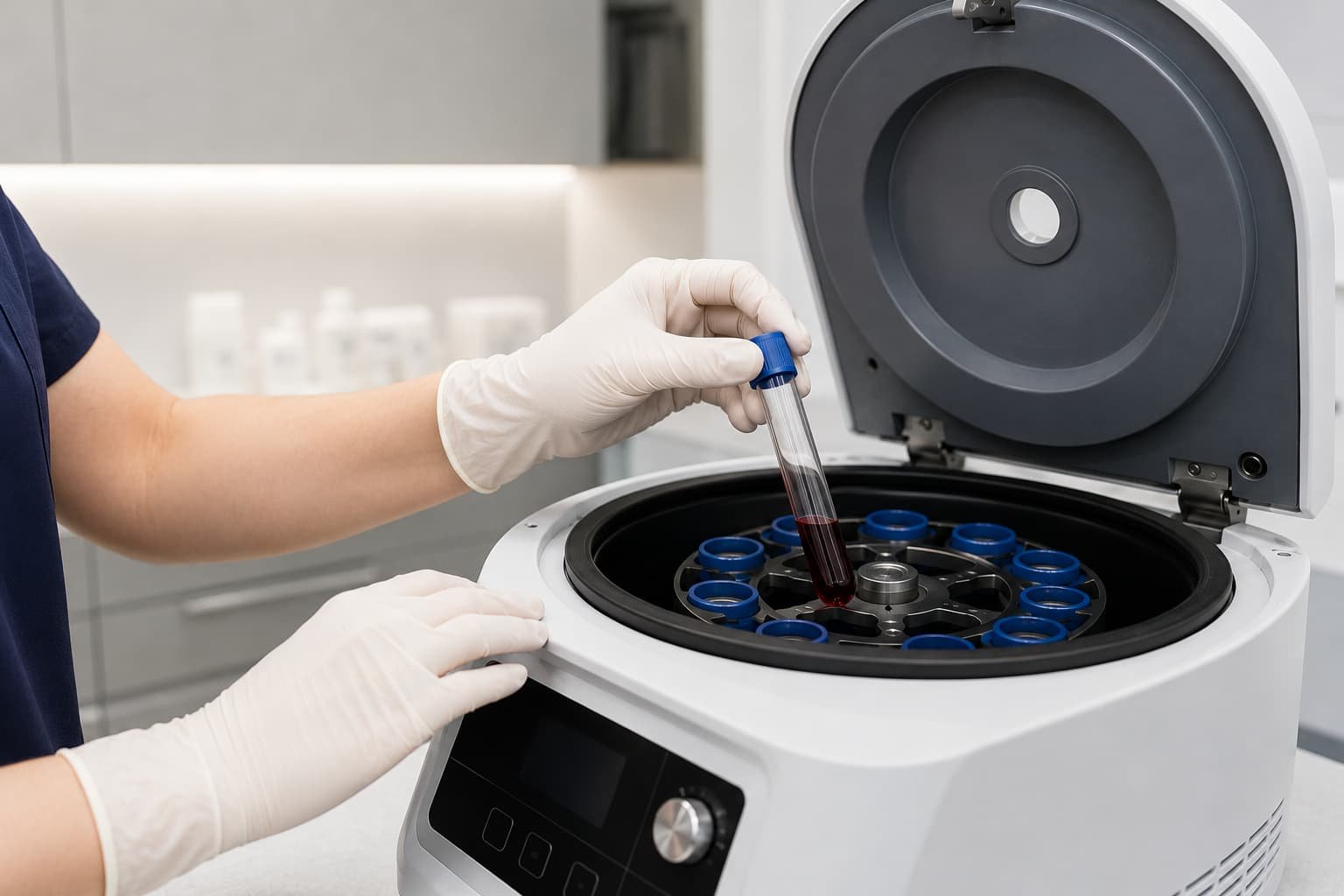
The tube goes into a calibrated centrifuge. Technicians balance the machine with an equal-weight tube on the opposite side. This balancing step prevents vibration and mechanical damage to the sample. The centrifuge lid closes and locks before spinning begins, and the machine runs for a pre-set duration at a controlled speed.
Step 3: Single-Spin Versus Double-Spin Protocols
Clinics use either a single-spin or double-spin method to separate blood components. A single spin separates blood into two layers in one cycle. It works faster but generally yields a lower platelet concentration. A double-spin protocol runs two separate centrifugation cycles at different speeds. The first spin separates red blood cells from plasma. The second spin concentrates platelets further within the plasma layer. Published laboratory research comparing these methods found that double centrifugation produced higher platelet quantity and yield with less contamination by red and white blood cells than single centrifugation. Many UK clinics select the double-spin method specifically to reduce leukocyte content, since research on hair and dermatology applications has noted that double-spin protocols concentrate platelets while reducing leukocyte content, which clinicians prefer for aesthetic and dermatologic applications to limit pro-inflammatory effects.
Step 4: Separating Plasma Layers
After centrifugation, the tube shows visible layers. Red blood cells form a dense layer at the bottom. A thin buffy coat containing white blood cells and platelets sits in the middle. Platelet-poor plasma occupies the top layer. This visible separation allows technicians to identify the correct extraction zone accurately, reducing the chance of drawing up unwanted cellular material.
Step 5: Extracting the Platelet-Rich Layer
A clinician withdraws the plasma layer closest to the buffy coat using a sterile syringe. This extraction avoids disturbing the red blood cell layer beneath it. The extracted fluid contains a platelet concentration several times higher than baseline whole blood. Some protocols activate the platelets at this stage using calcium chloride or mechanical agitation, which triggers growth factor release before injection into the tissue.
The Science Behind Platelet Concentration
Platelet concentration ratios vary depending on the exact spin protocol used. A published double-spin study using a closed-tube method reported a mean platelet concentration ratio of 3.47 compared with baseline blood. Other centrifugation research comparing multiple protocols found platelet concentrations ranging from just over one-fold to more than three-fold above baseline, depending on spin speed and duration. These figures confirm that centrifuge technique, rather than the injection step itself, determines how concentrated the final platelet solution becomes. Clinics that document their spin speed, duration, and yield consistently tend to produce a more reproducible product from one appointment to the next.
Growth Factors Released During Activation
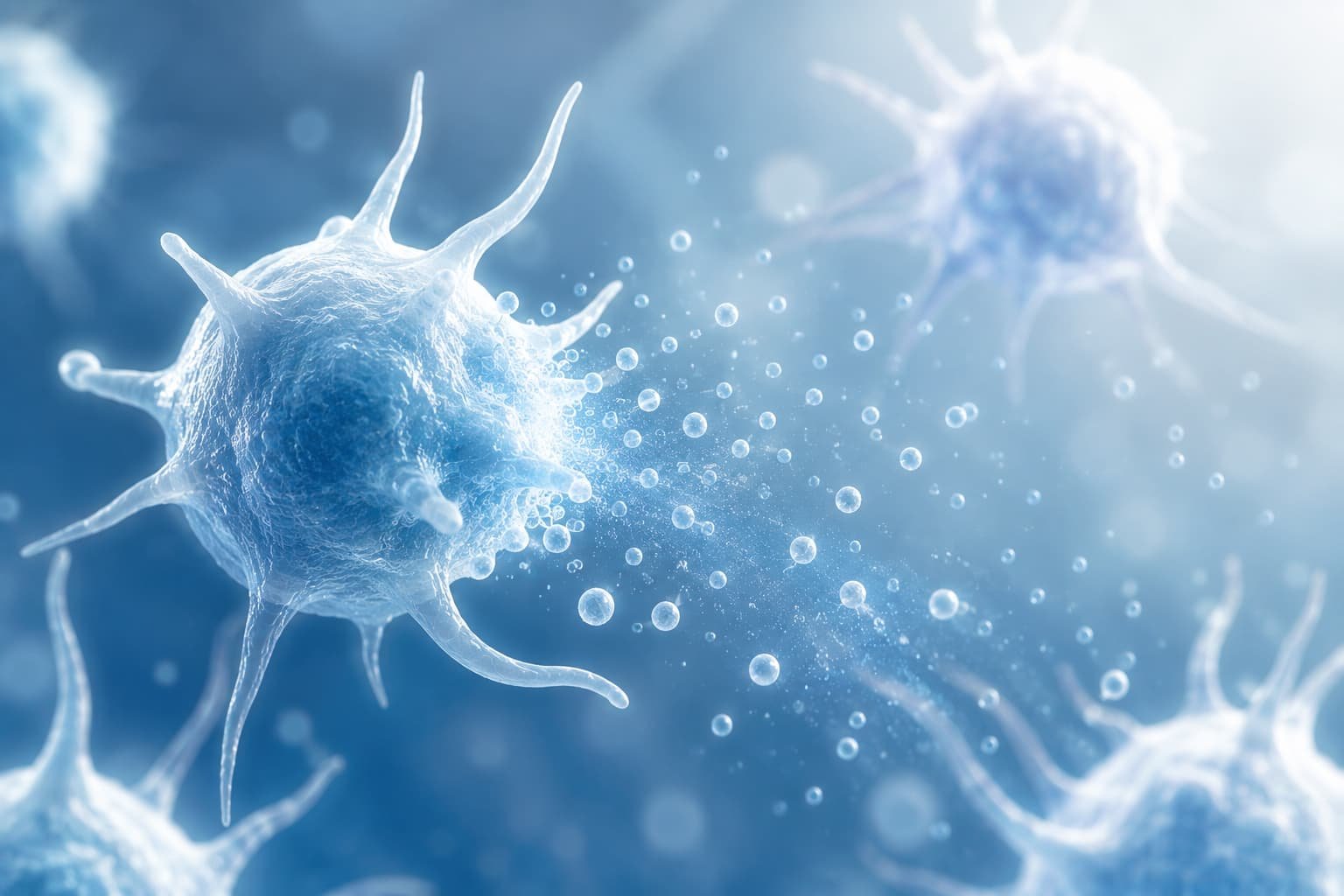
Once platelets activate, they release growth factors into the surrounding fluid. Laboratory research notes that these growth factors stimulate cell proliferation, blood vessel formation, and cell migration, processes linked to tissue repair. This mechanism underpins the rationale for PRP-based regenerative therapy for ED, though mechanism alone does not confirm clinical benefit in every patient. Growth factor release is a biological event that can be measured in a laboratory setting, but it does not automatically predict a specific clinical outcome for an individual patient.
How the PRP Centrifuge Process Supports P Shot Treatment
P shot treatment involves injecting the concentrated platelet solution directly into specific areas of penile tissue. Clinicians select injection sites based on individual anatomy and clinical assessment. The quality of the PRP centrifuge process directly influences the platelet concentration delivered during this injection. A poorly executed centrifuge cycle produces a weaker solution with fewer growth factors. A well-controlled centrifuge protocol produces a more consistent, concentrated product for clinical use, which is why practitioners treat this preparation stage as clinically significant rather than a routine administrative step.
From Centrifuge to Penile Injection Growth
Marketing materials sometimes describe penile injection growth in dramatic terms. Current clinical evidence does not support guaranteed size increases from PRP injections. The stated rationale for a p injection procedure centres on tissue support and vascular signalling rather than confirmed enlargement. Patients researching this treatment should distinguish between mechanistic theory, which describes plausible biological activity, and proven clinical outcomes, which require controlled trial data.
Evidence on PRP-Based Regenerative Therapy for ED
Clinical research into natural ED treatment using PRP therapy has expanded considerably over recent years, though findings remain mixed across the published literature.
What Clinical Trials Show
A 2024 meta-analysis of controlled and single-arm trials reported that PRP demonstrated better outcomes than control groups on erectile function scores and minimal clinically important difference measures. A separate double-blind, randomised, placebo-controlled trial using an FDA-approved separation system assessed sixty sexually active patients with mild and moderate erectile dysfunction, comparing PRP injections against placebo across two sessions. A systematic review covering PRP therapy in erectile dysfunction and Peyronie’s disease concluded that the reviewed studies generally showed small to moderate benefits with mild and transient side effects, and no major adverse events were reported.
Limitations of Current Evidence
Not every study reaches the same conclusion. A more recent meta-analysis of randomised controlled trials found that current evidence does not support a consistent, clinically meaningful improvement in erectile function with PRP monotherapy compared with placebo, citing heterogeneity, small sample sizes, and methodological limitations across existing trials. The same systematic review on PRP for ED and Peyronie’s disease also noted that professional urology bodies, including the European Association of Urology and the American Urological Association, currently classify PRP as experimental for these conditions. The NHS does not commission PRP injections for erectile dysfunction, and NICE has not issued interventional procedures guidance approving penile PRP as a standard treatment. Men considering a non-surgical treatment for erectile dysfunction in London should weigh this mixed evidence base against realistic expectations, rather than assuming guaranteed results.
Priapus Shot Price and What Influences Cost in London
Priapus shot price varies between London clinics depending on practitioner qualifications, centrifuge equipment, and the number of sessions included in a treatment plan. Clinics using validated, closed-system centrifuge protocols typically factor equipment calibration and quality control into their pricing structure. Patients researching priapus shot price should ask providers directly about their specific separation protocol, including spin speed, platelet yield testing, and session frequency, rather than comparing headline prices alone. Cost transparency at the consultation stage allows patients to make an informed comparison between clinics offering similar procedures under different names.
P Shot Before and After: Realistic Expectations
Patients frequently search for P shot before and after information to gauge realistic outcomes. Photographic comparisons carry limitations, since lighting, positioning, and individual anatomy affect visual results. Clinical improvement, where reported in trials, tends to relate to erectile function scores rather than dramatic visible size change. A responsible clinic explains that P shot before and after material should support informed discussion rather than serve as a guarantee of specific results. Patients benefit from asking how any published images were captured and whether they represent typical or best-case outcomes.
Safety Considerations of the Preparation Process
Because PRP uses the patient’s own blood, it carries a lower risk of allergic reaction or disease transmission compared with donor-derived products. Clinics must still follow strict sterile technique throughout the PRP centrifuge process to prevent contamination. Equipment calibration, tube sealing, and aseptic extraction all reduce infection risk. Reported side effects across published trials remain mild and transient, including temporary swelling, bruising, or discomfort at the injection site. Patients with bleeding disorders, active infection, or certain blood conditions may not qualify for treatment, and a thorough medical history review remains an essential step before any p injection procedure takes place.
Choosing a Provider for P Shot Treatment in London

Practitioner training affects how consistently a clinic performs the PRP centrifuge process. Patients researching P shot London options should confirm that the treating clinician holds relevant medical qualifications and follows a documented, validated centrifuge protocol. Pshots clinic uk, a Harley Street clinic in Marylebone, London, is led by Dr Syed Nadeem Abbas, who holds an MSc in Aesthetic Plastic Surgery with Distinction from Queen Mary University London. This detail illustrates the type of qualification background patients can factor into their research when comparing providers offering Priapus shot London treatment or erectile dysfunction treatment London more broadly. A clear consultation process, transparent equipment standards, and honest discussion of evidence limitations together indicate a clinic that prioritises accuracy over promotion.
Frequently Asked Questions
How long does the PRP centrifuge process take?
The full cycle, from blood draw to platelet extraction, generally takes between fifteen and thirty minutes, depending on whether the clinic uses a single-spin or double-spin protocol.
Does a double-spin protocol always produce better results?
Double-spin protocols generally concentrate platelets further and reduce contaminating cells, but higher concentration does not automatically translate into stronger clinical outcomes for every patient. Individual response varies considerably.
Is the centrifuge preparation process painful?
The preparation stage involves a standard blood draw, similar to a routine blood test. Discomfort during the subsequent injection varies by individual and injection site.
Can PRP therapy cure erectile dysfunction permanently?
No published evidence supports a permanent cure. Current trials report variable, sometimes modest, improvement in erectile function scores, and some meta-analyses find no significant benefit over placebo.
Is natural ED treatment using PRP therapy regulated in the UK?
PRP preparation and injection fall under general medical practice regulation. NICE has not issued specific interventional procedures guidance approving PRP for erectile dysfunction, and the treatment remains outside routine NHS commissioning.
What determines Priapus shot price in London clinics?
Cost depends on practitioner qualifications, centrifuge technology, session number, and aftercare provision. Prices vary considerably between providers, so direct comparison at consultation stage remains important.
Key Takeaway
The PRP centrifuge process sits at the centre of every P shot procedure, determining platelet concentration, growth factor content, and ultimately the quality of the injected solution. Evidence supporting PRP-based regenerative therapy for ED remains mixed, with some trials reporting measurable improvement and others finding no significant advantage over placebo. Patients researching this option should review the underlying science, ask providers detailed questions about their specific centrifuge protocol, and set realistic expectations grounded in published research rather than promotional claims. Given the current gaps in long-term data, what further evidence would need to exist before this treatment could move from experimental interest to established medical practice?
Read more: P Shot Treatment: Procedure Steps, Recovery, Aftercare, and Results Timeline
What Is a Dual-Spin Centrifuge and Why Does It Matter for P Shot UK?