
Men’s sexual health has moved from a private worry to an open clinical conversation in 2026. National campaigns, digital health tools and expanding research have reshaped attitudes toward erections, libido and hormonal balance. Despite this shift, many men still delay seeking help for symptoms that a GP could investigate within weeks. Men’s sexual health affects far more than intimacy; it often reflects broader cardiovascular, metabolic and psychological wellbeing. This overview of sexual health for men sets out current trends in men’s sexual health 2026, explains the main evidence-based treatments, and examines the taboos that continue to prevent men from seeking timely care.
What Is Changing in Men’s Sexual Health in 2026?

Several shifts define male sexual health this year. Public health messaging increasingly frames erectile difficulties as a possible early marker of cardiovascular disease rather than an isolated embarrassment. Men now search online before booking a GP appointment, often arriving at consultations with background knowledge from earlier generations. Clinics report more requests for personalised treatment plans instead of a single standard prescription. Interest in regenerative and minimally invasive treatments has grown, reflecting a wider preference for options with lower surgical risk. Wearable health trackers and digital symptom diaries also feature more often in consultations, giving clinicians objective data alongside a patient’s own account. These trends in men’s sexual health point toward earlier intervention and a more holistic view of male wellbeing.
The Most Common Men’s Sexual Health Concerns
Erectile Dysfunction
Erectile dysfunction (ED) is the persistent inability to achieve or maintain an erection firm enough for satisfactory intercourse. Occasional difficulty is common and does not always indicate a medical problem, but ED becomes clinically significant once it persists for three months or longer. Up to 90 percent of cases involve an underlying physical cause, including cardiovascular disease, diabetes or nerve damage. Age raises the risk considerably; regular ED affects around a third of men aged 60 to 69 and roughly half of men aged over 70. Because the blood vessels supplying the penis are narrower than those supplying the heart, ED can appear years before a cardiovascular event, giving clinicians an early opportunity to investigate wider vascular health. GPs typically begin assessment with a medical history, a review of current medication, and basic blood tests to check cholesterol, glucose and testosterone levels.
Low Libido
Low libido in men describes a reduced interest in sexual activity that causes personal distress. Causes range from hormonal imbalance and chronic illness to medication side effects, stress and relationship difficulties. Certain prescription drugs, including some antidepressants and blood pressure medications, list reduced libido as a recognised side effect. A clinician can review current prescriptions before attributing reduced desire to hormonal or psychological causes alone. Persistent low libido in men warrants assessment rather than acceptance as an inevitable part of ageing.
Premature Ejaculation
Premature ejaculation ranks among the most common forms of male sexual dysfunction and affects men across all age groups. It involves ejaculation that occurs sooner than a man or his partner would prefer, often within one minute of penetration. Clinicians typically distinguish between lifelong premature ejaculation, present since first sexual experiences, and acquired premature ejaculation, which develops later. Both psychological and physiological factors contribute, including performance anxiety and heightened sensitivity. Behavioural techniques, topical anaesthetics and, in some cases, medication can improve control, and combining approaches often produces better results than any single method used alone.
Testosterone and Hormonal Concerns
Testosterone and sexual health are closely linked, since testosterone supports libido, erectile function and energy levels. Levels decline gradually with age, though a marked deficiency, known as hypogonadism, requires blood testing for accurate diagnosis. Symptoms alone cannot confirm low testosterone, and self-diagnosis based on online quizzes carries a real risk of error.
Penile Curvature and Other Sexual Health Conditions
Penile curvature, commonly associated with Peyronie’s disease, can cause pain and difficulty with intercourse. The condition develops when scar tissue forms within the penile shaft, causing the erect penis to bend rather than remain straight. Other structural or vascular conditions may also contribute to male sexual dysfunction and should prompt referral to a urologist or specialist clinic for assessment. Left unassessed, some structural conditions can worsen over time, making early referral more useful than a wait-and-see approach.
How Lifestyle Affects Men’s Sexual Health
Sleep and Sexual Function
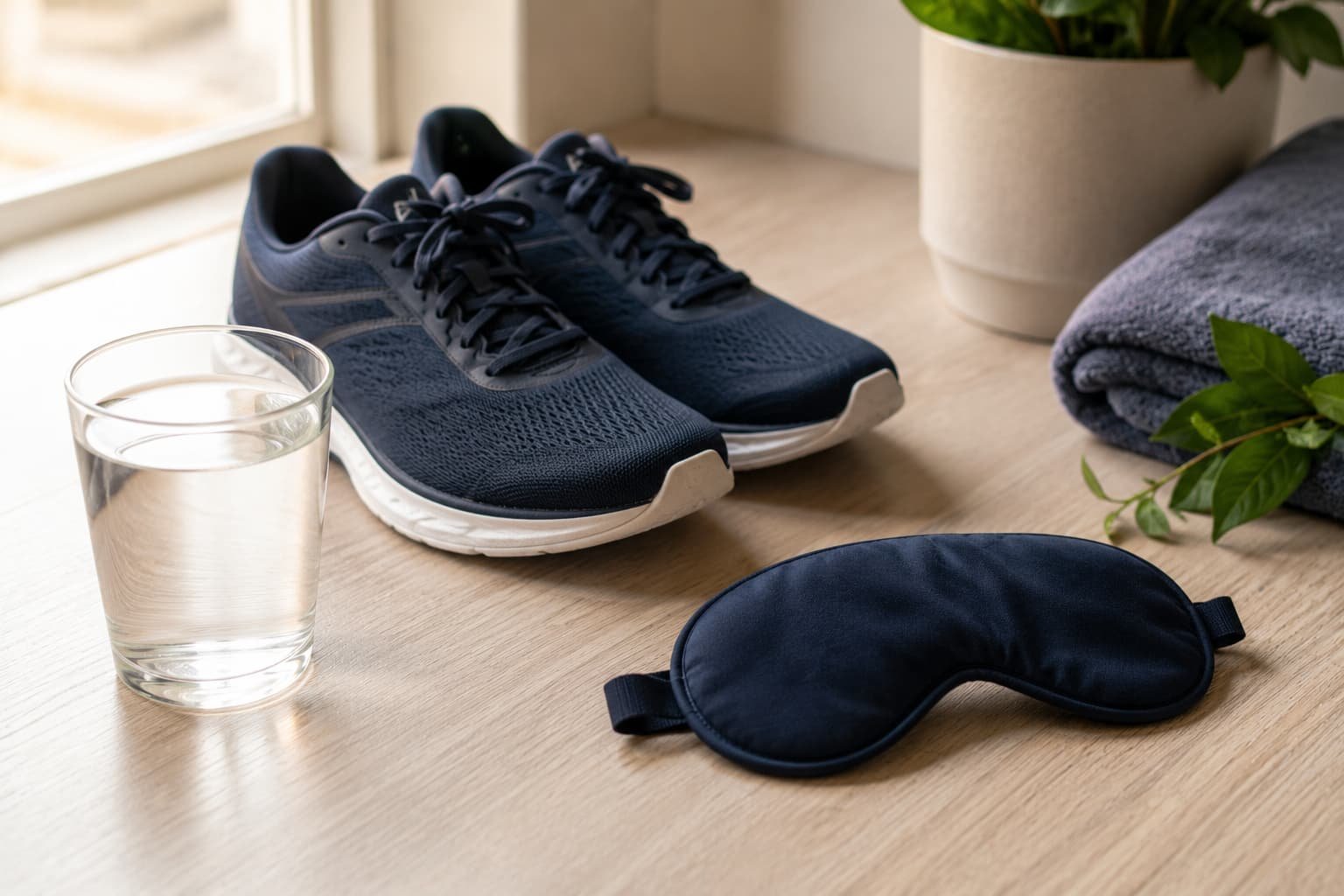
Poor sleep disrupts overnight testosterone production and increases fatigue, both of which reduce sexual desire and performance. Consistent, adequate sleep supports hormonal balance.
Exercise and Physical Health
Regular aerobic exercise improves vascular function, a key factor in erectile capacity. Sedentary habits correlate with higher rates of erectile dysfunction across multiple population studies.
Weight and Metabolic Health
Excess weight raises the risk of diabetes and cardiovascular disease, two leading causes of erectile dysfunction. Weight management remains a first-line recommendation within NHS guidance on erectile problems.
Alcohol, Smoking and Recreational Drugs
Smoking damages the blood vessels supplying the penis, while excessive alcohol intake impairs both erectile function and libido. Recreational drug use carries similar vascular and hormonal risks.
Stress, Anxiety and Mental Health
Chronic stress and anxiety interfere with the nervous system’s role in achieving an erection. Sleep disruption linked to stress can compound the problem further. Mental health support often forms a necessary part of an effective treatment plan, alongside any physical intervention.
Men’s Sexual Health Treatments in 2026
Lifestyle Changes
Clinicians typically recommend lifestyle changes as a first step, including weight loss, reduced alcohol intake, smoking cessation and increased physical activity. These changes support most other men’s sexual health treatments rather than acting as a replacement.
PDE5 Inhibitors and Other Established Treatments
PDE5 inhibitors, including sildenafil and tadalafil, remain the standard erectile dysfunction treatment for most men. GPs prescribe these medications after ruling out contraindications, such as certain heart conditions or interacting medicines such as nitrates.
Testosterone Replacement Therapy
Testosterone replacement therapy suits men with confirmed hypogonadism. Guidance from the Society for Endocrinology recommends accurate diagnosis through repeated blood testing before starting treatment, alongside regular monitoring for prostate and cardiovascular safety. Terms such as “late-onset” or “age-related” hypogonadism remain difficult to define precisely, and current guidelines advise clinicians against prescribing testosterone on symptoms alone. Ongoing monitoring typically includes repeat blood tests, prostate-specific antigen checks and blood pressure review during the first year of treatment.
Psychological and Relationship Support
Counselling and sex therapy address psychological contributors to male sexual dysfunction, including performance anxiety and relationship strain. NHS pathways often combine this support with medical treatment for a more complete outcome.
Devices and Other Treatment Options
Vacuum erection devices and, in select cases, penile implants offer additional pathways for men who do not respond to first-line treatment. Intracavernosal injections of licensed vasoactive drugs, such as alprostadil, provide a further option when tablets prove ineffective or unsuitable. Selection depends on individual health status and should follow specialist assessment. No single option suits every patient, and treatment decisions should always reflect individual circumstances and current evidence.
Is Regenerative Medicine Changing Men’s Sexual Health?
What Is PRP?
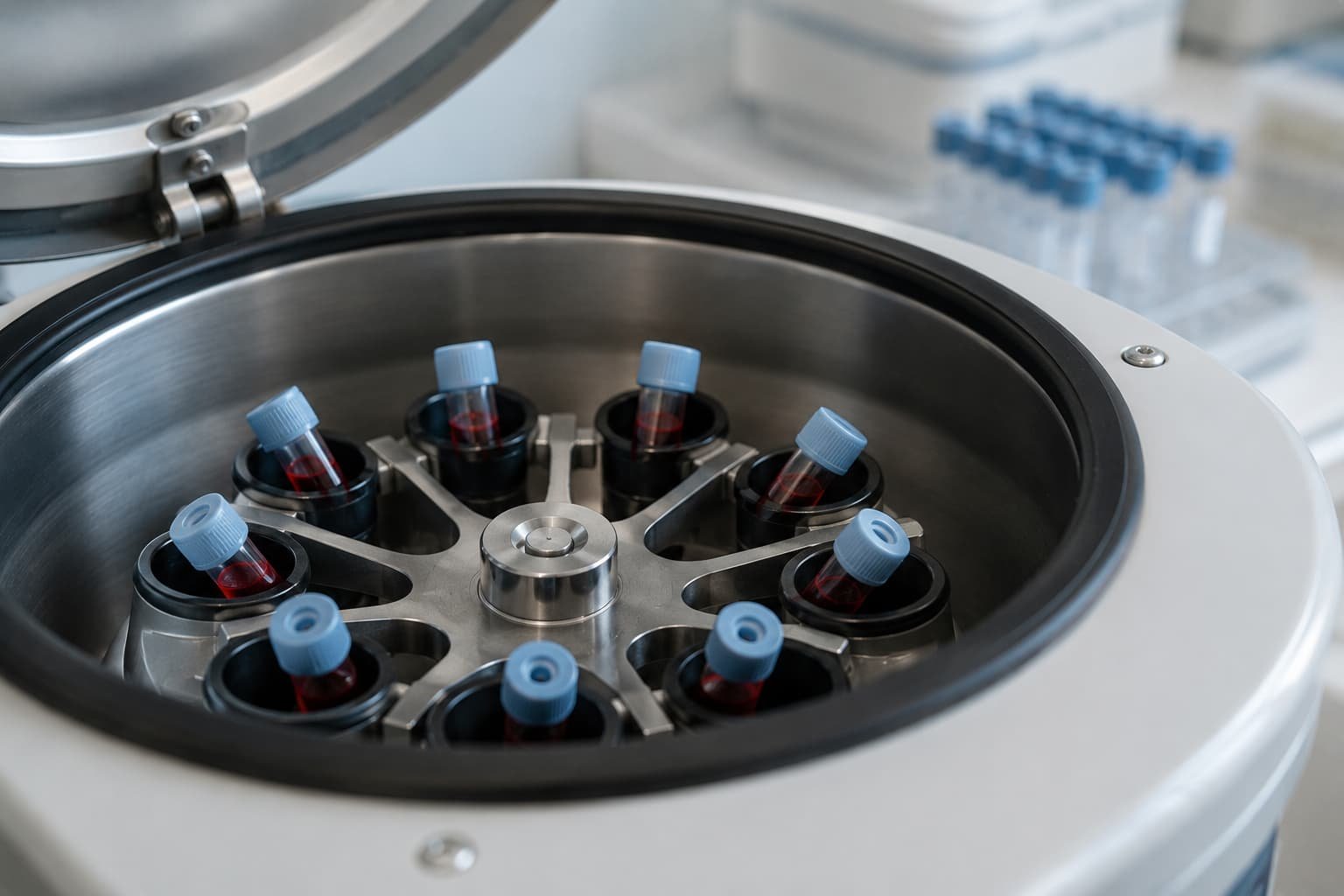
Platelet-rich plasma (PRP) is a concentration of platelets and growth factors derived from a patient’s own blood. Centrifugation separates platelets from other blood components before injection into target tissue, a process used across orthopaedics, dermatology and, more recently, men’s sexual health treatments.
What Is the P-Shot?
The P-Shot, or Priapus Shot, is a PRP injection technique applied to penile tissue. Proponents suggest the growth factors involved may support penile injection growth of vascular and connective tissue, though this mechanism remains under active study rather than settled fact. P shot London and Priapus shot London clinics vary in protocol, preparation method and follow-up, which affects how results should be interpreted.
What Does the Evidence Say?
Evidence for PRP in erectile dysfunction remains mixed. A 2024 meta-analysis published in PLOS ONE, covering 12 controlled trials and 991 patients, reported improved erectile function scores compared with control groups. A separate 2025 systematic review of seven randomised trials involving 660 patients found significant improvement at 12 and 24 weeks but not at four weeks. A further 2025 review in the journal UroPrecision identified only five randomised trials and two meta-analyses in total, noting significant variability in PRP preparation, dosage and follow-up protocols across studies. Reviewers consistently note that studies vary in PRP preparation and follow-up length, and call for larger, longer-term trials before firm conclusions can be drawn. The European Association of Urology continues to classify PRP-based penile injection as an investigational rather than an established erectile dysfunction treatment, and current evidence should be read as promising rather than conclusive.
Why Are Men Interested in Regenerative Treatments?
Interest in P-Shot treatment and similar regenerative approaches reflects a broader preference for options using a patient’s own biological material rather than synthetic drugs. Men considering P shot treatment should discuss realistic expectations, since outcomes vary and published evidence remains preliminary. A private consultation can clarify Priapus shot price, suitability and expected P shot before and after outcomes, based on individual health history. Providers offering p injection procedures under a P shot UK licence should hold appropriate medical qualifications and regulatory registration. Regulatory bodies such as the Care Quality Commission and the General Medical Council provide a useful starting point when checking a provider’s credentials before booking any regenerative procedure.
The Biggest Taboos Around Men’s Sexual Health
Embarrassment About Erectile Problems
Many men associate ED with personal failure rather than a medical condition, delaying consultations that could identify treatable causes.
Concerns About Masculinity
Cultural narratives linking virility to masculinity discourage open discussion, even within established relationships.
Reluctance to Discuss Low Libido
Low libido in men is often dismissed as unimportant compared with erectile difficulties, despite its measurable impact on wellbeing and relationships.
Mental Health and Sexual Performance
Anxiety about performance can create a cycle where fear of dysfunction contributes directly to the dysfunction itself.
Concerns About Seeking Treatment
Some men worry that seeking treatment signals weakness or invites judgement, despite sexual health forming a routine part of general medical care. This taboo, more than any single symptom, explains much of the delay seen in clinical practice.
Why Men Still Delay Seeking Help
Common barriers include embarrassment, normalising symptoms as an inevitable part of ageing, fear of judgement and reliance on unverified online information. Concerns about medication side effects also contribute to delayed presentation. Some men wait until a partner raises the issue, rather than initiating the conversation themselves, which can add months or years to the delay. Earlier assessment generally leads to more treatment options and better long-term outcomes.
Online Information and Misinformation About Male Sexual Health
Social media platforms host frequent claims about “natural” ED cures and unregulated supplements, many lacking clinical evidence. Misleading before-and-after images circulate widely, creating unrealistic expectations among men researching treatment. Unregulated supplements marketed for libido or erection quality sometimes contain undisclosed pharmaceutical ingredients, which can interact dangerously with other medication. Medical evidence, drawn from peer-reviewed research and bodies such as NICE and the NHS, remains the most reliable basis for treatment decisions. Checking claims against recognised sources, and discussing any supplement with a GP before use, helps protect men from ineffective or unsafe products.
What Does the Future of Male Sexual Health Look Like?
Emerging themes include personalised care based on individual risk factors, digital tools supporting earlier symptom tracking, and closer integration between physical and psychological treatment. Research into regenerative medicine continues, though current evidence does not yet support any single regenerative treatment becoming standard care. Ongoing trials should clarify optimal PRP preparation methods and dosing, which may narrow some of the current inconsistency in results. Men’s sexual health trends for the coming years point toward earlier, more collaborative conversations between patients and clinicians, rather than any single breakthrough treatment.
When Should a Man Speak to a Doctor?

Persistent erectile difficulties, sudden changes in sexual function, or ongoing loss of libido warrant professional assessment. Pain during sex or ejaculation, penile curvature, and symptoms linked to medication also require evaluation. Sexual symptoms appearing alongside other health concerns, such as chest pain or unexplained fatigue, need prompt medical attention. Early assessment allows clinicians to rule out serious underlying conditions before further progression.
Frequently Asked Questions About Men’s Sexual Health in 2026
What are the most common men’s sexual health problems?
Erectile dysfunction, low libido, premature ejaculation and hormonal concerns rank among the most frequently reported issues in general practice.
What is the most effective treatment for erectile dysfunction?
PDE5 inhibitors remain the first-line erectile dysfunction treatment for most men, though suitability depends on individual health history and current medication.
Can lifestyle changes improve men’s sexual health?
Weight management, exercise, reduced alcohol intake and smoking cessation all support better sexual function and often improve treatment outcomes.
Does low testosterone affect sexual function?
Confirmed low testosterone can reduce libido and erectile function, though blood testing remains necessary for accurate diagnosis.
Can stress cause erectile dysfunction?
Chronic stress and anxiety can interfere with the physiological processes needed to achieve and maintain an erection.
Are regenerative treatments such as PRP proven for erectile dysfunction?
Evidence remains mixed. Some trials report meaningful improvement, while systematic reviewers call for larger studies before PRP becomes standard treatment.
When should men seek medical advice about sexual problems?
Symptoms lasting three months or longer, or any sudden change in sexual function, warrant a GP consultation without delay.
Key Takeaways
Men’s sexual health sits firmly within general health, not separate from it. Erectile difficulties, low libido and hormonal changes often reflect cardiovascular, metabolic or psychological factors that benefit from early assessment. Evidence-based treatments range from lifestyle changes and PDE5 inhibitors to testosterone replacement therapy and emerging regenerative options, each suited to different circumstances rather than to every man. Dr Syed Nadeem Abbas, a Harley Street practitioner based at pshots.co.uk, is among the UK clinicians offering assessment across this field. Persistent sexual health problems deserve proper assessment, not dismissal as an unavoidable part of ageing. What would change if more men treated a conversation about sexual health as routinely as any other medical check-up?
Read more: Low Libido vs Erectile Dysfunction: What Is the Difference?
Exosomes vs PRP: What Is the Difference for Male Sexual Health?
Dr Syed Nadeem Abbas, MBBS, MRCSEd, MSc Aesthetic Plastic Surgery (Distinction) Medical Director, Pshot Clinic | CQC Regulated | Monday to Saturday 10:00–18:00 +44 7955 836986


