✅Medically reviewed
One question about the Priapus Shot causes quiet worry: will ejaculation feel different afterwards? Men often ask about firmer erections and greater sensitivity. Many also wonder about timing, force, semen volume and the feel of orgasm. Clinic websites rarely answer those questions with evidence. Most pages promise broad sexual improvement and stop there.
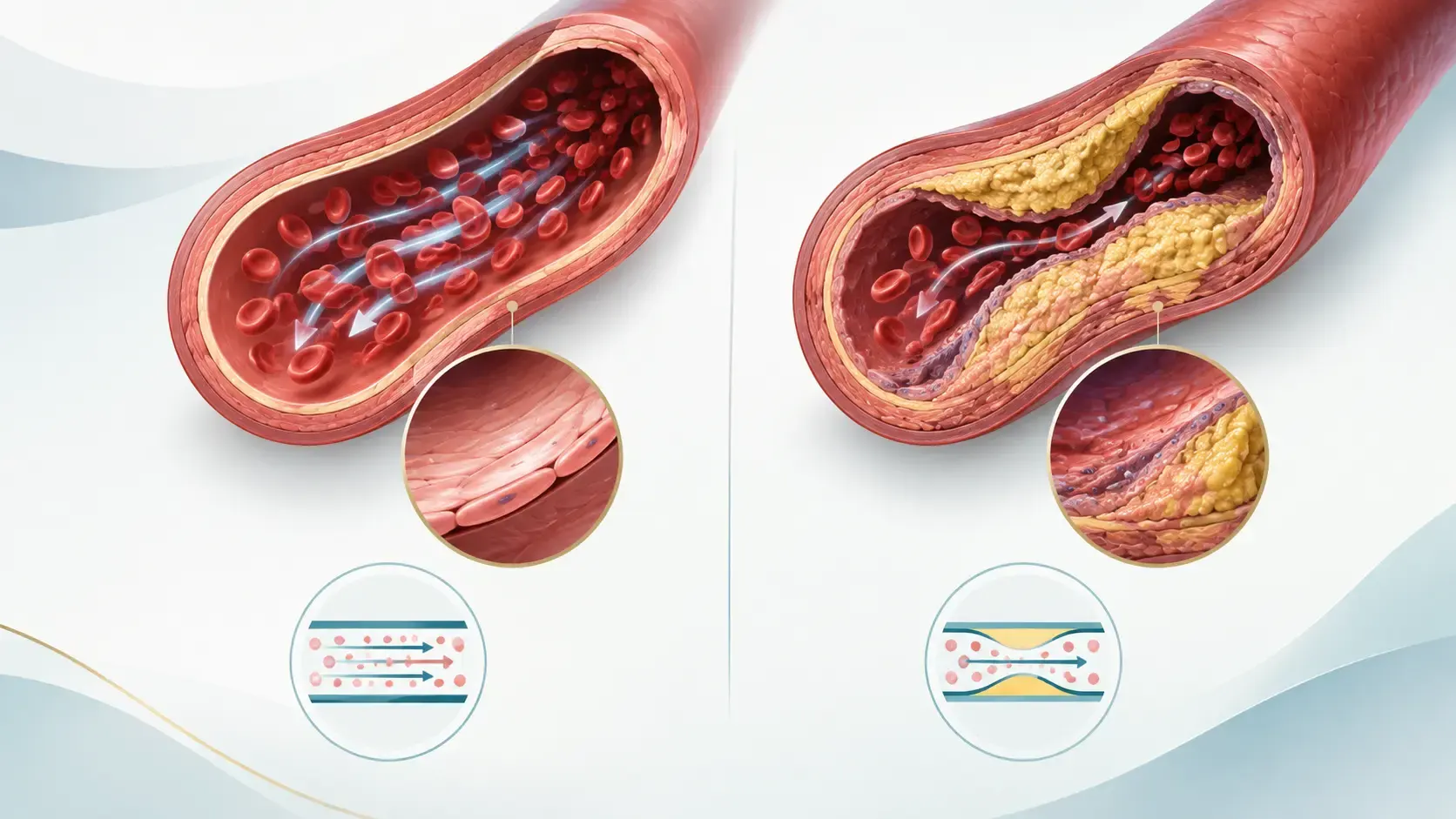
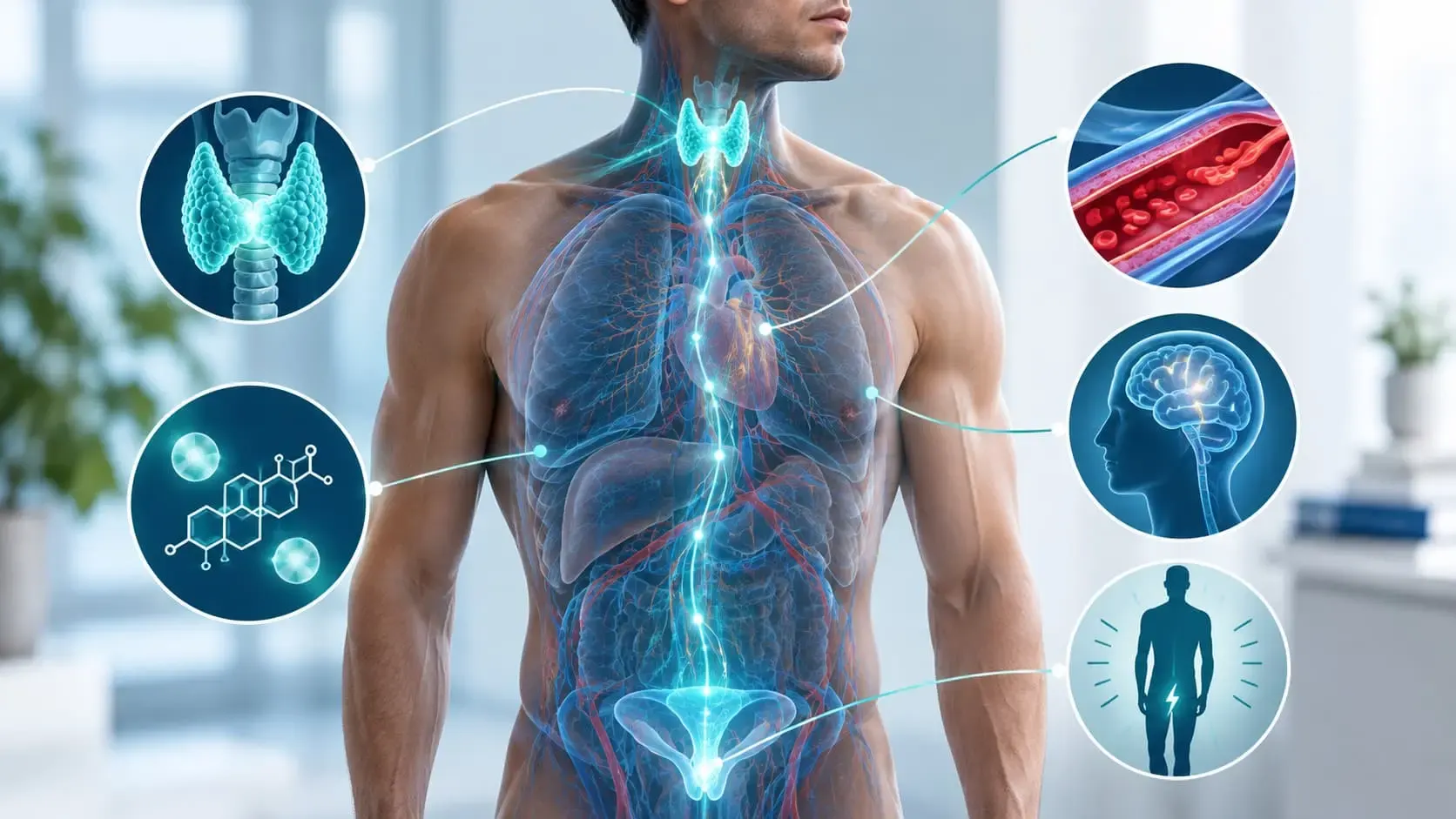
Platelet-rich plasma (PRP) sits at the centre of the P shot. Clinicians inject it into penile tissue to support blood vessels and nerves. Ejaculation, however, relies on a different set of structures. The prostate, seminal vesicles, pelvic nerves, muscles and brain all play a part. An honest answer must separate the erection from the ejaculation.
This article explains how ejaculation works and what the P shot treats. It also reviews what clinical trials measured, which changes seem plausible and which claims lack support. Sources include the NHS, NICE Clinical Knowledge Summaries and peer-reviewed trials.
What Is the Priapus Shot?
The P shot is a PRP injection treatment for the penis. Clinicians also use the names p-shot, pshot and p injection. Patients sometimes use the blunt term penis shot. All of these names describe one procedure.
How Clinicians Prepare PRP
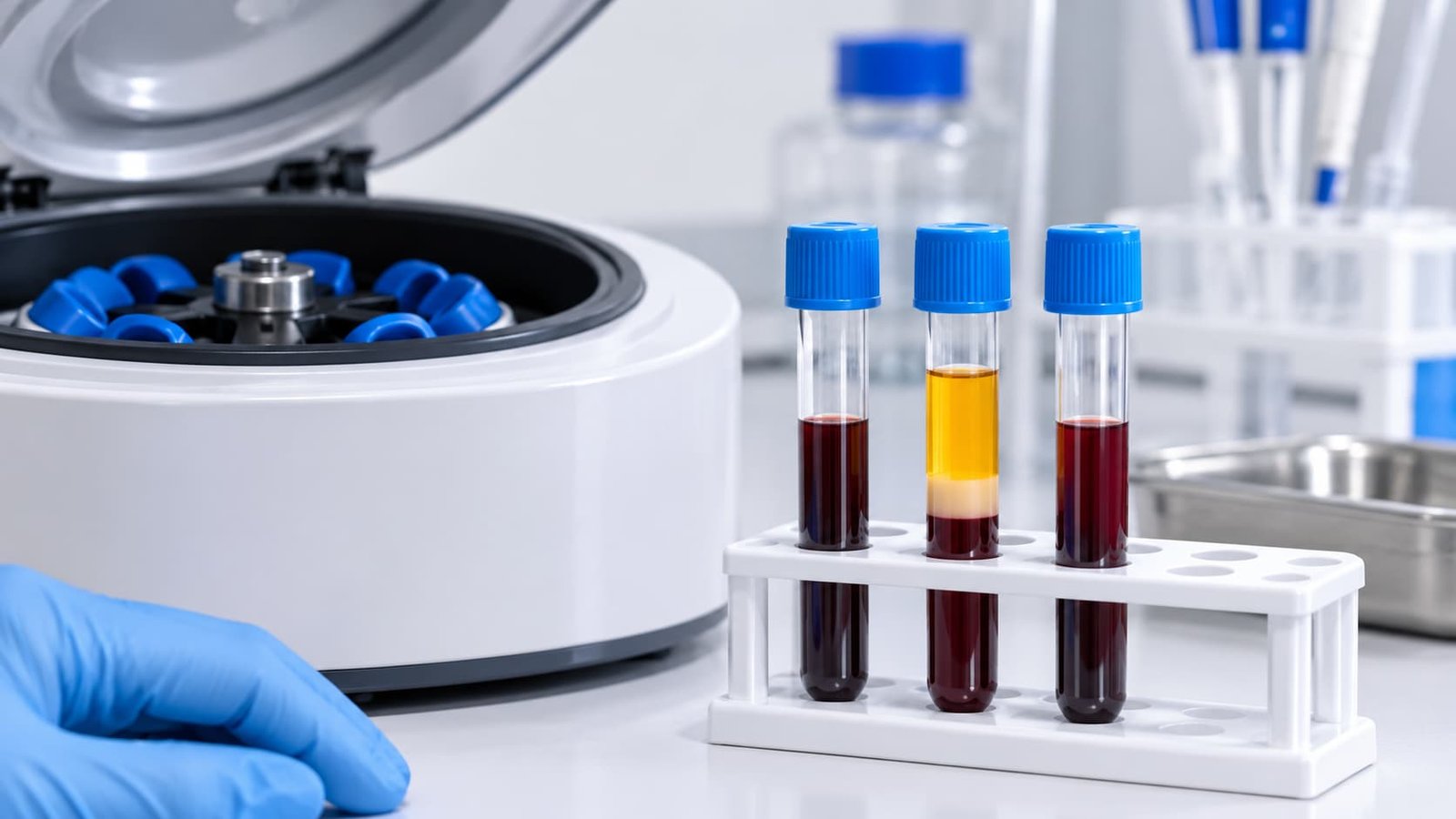
A nurse or doctor draws a small blood sample from the arm. A centrifuge spins the sample and separates platelets from red cells. The platelet-rich layer contains growth factors that support tissue repair. Preparation methods vary between clinics, so platelet concentration varies too.
Where the Injections Go
The clinician applies anaesthetic cream or a local anaesthetic first. Small injections then place PRP into the penile shaft, and sometimes the glans. Some protocols target the corpora cavernosa, the erectile tissue that fills with blood. The injection does not target the prostate, seminal vesicles or testicles.
What the Treatment Aims to Treat
The main target is erectile dysfunction (ED). The NHS describes ED as difficulty getting or keeping an erection firm enough for sex. NICE Clinical Knowledge Summaries (CKS) list lifestyle change and PDE5 inhibitors as first-line care. Neither body lists PRP as routine treatment. The P shot remains an emerging option outside standard NHS pathways.
How Ejaculation Works
Erection and ejaculation are separate processes. Men can ejaculate without a full erection. Others keep a firm erection without ejaculating. That difference explains why a penile injection may not alter ejaculation directly.
The Emission and Expulsion Phases
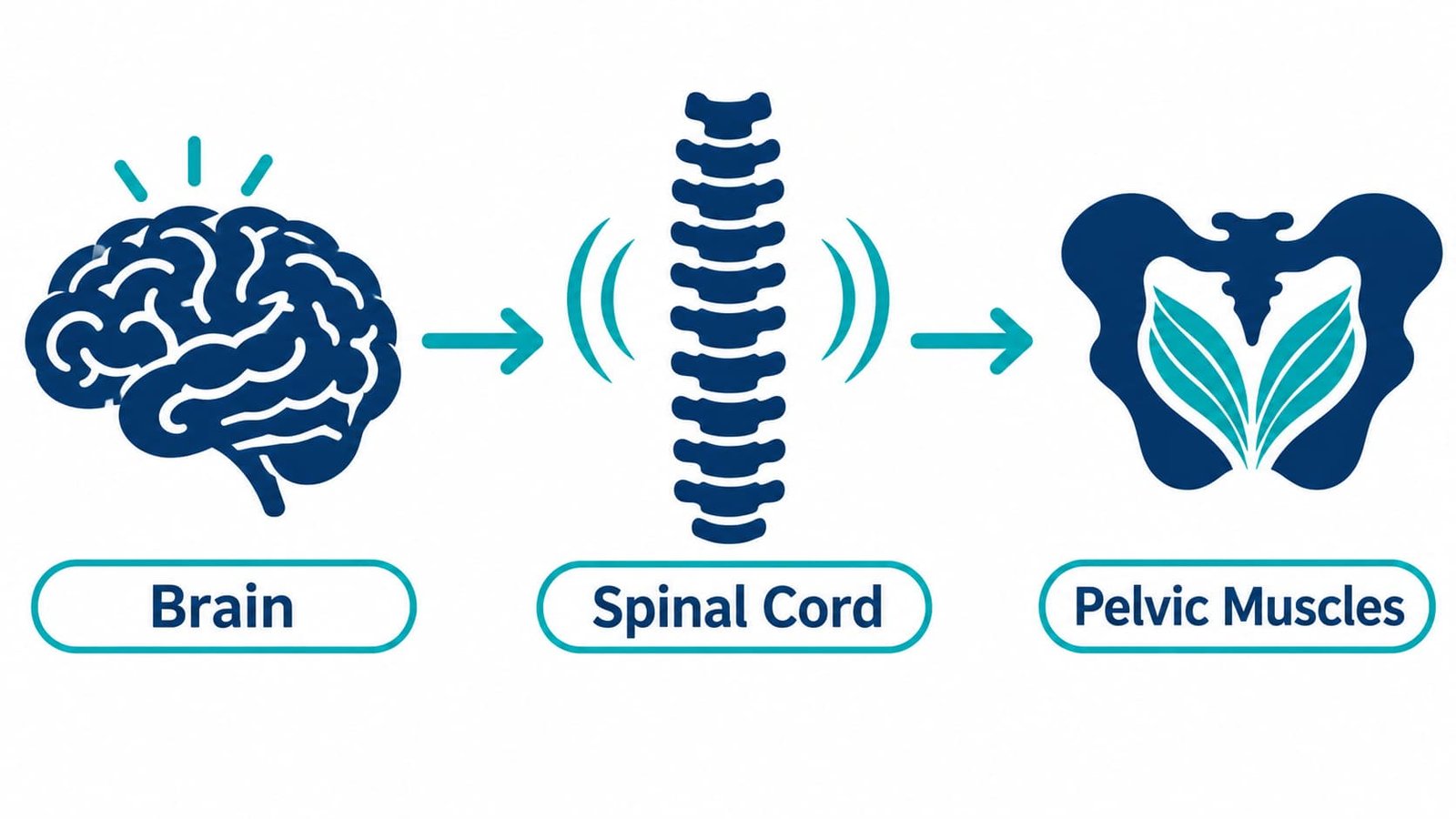
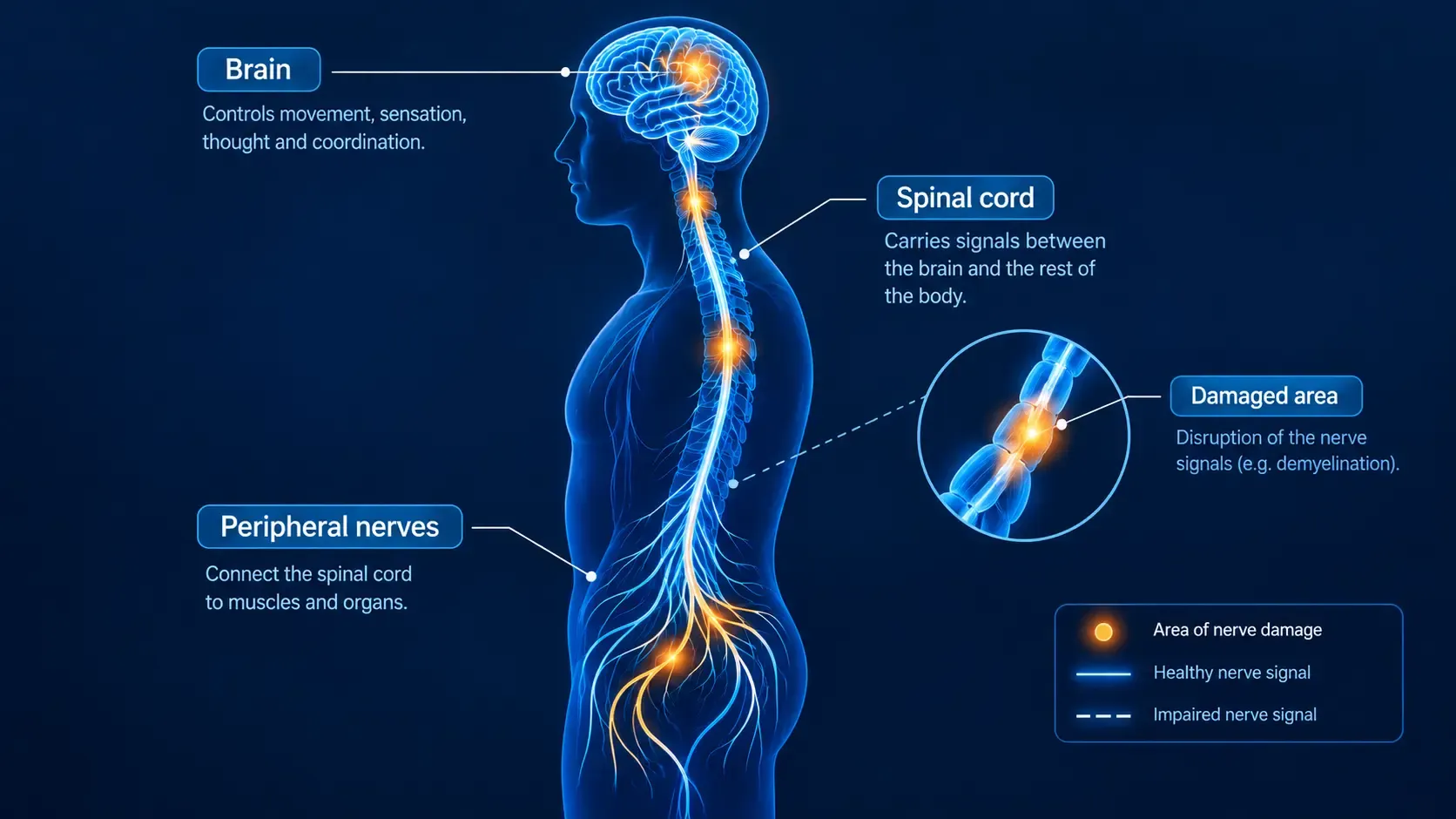
Ejaculation has two physical phases. During emission, sympathetic nerves from the lower spine move sperm and fluid into the urethra. The seminal vesicles and prostate supply most of that fluid. During expulsion, pelvic floor muscles contract in rhythm under control of the pudendal nerve. The bladder neck closes at the same moment and blocks backward flow.
Where the Brain Fits In
Orgasm is a brain event, while ejaculation is a spinal reflex. The two link closely, yet each can change alone. Anxiety, medicines, nerve injury and hormones all influence the reflex. Penile sensation also feeds signals into the system. That sensory link matters most when judging the P shot.
What the Evidence Shows
Direct evidence is limited. No randomised trial has measured ejaculation as its main outcome after PRP injection. Researchers focus on erections instead.
What Trials Measured
Most PRP trials use the International Index of Erectile Function (IIEF). The erectile function domain receives the most attention. Other domains cover orgasm, desire, intercourse satisfaction and overall satisfaction. The orgasmic function domain asks only two questions about ejaculation and orgasm.
Results on erections are mixed. A 2021 randomised trial in the Journal of Sexual Medicine reported better erectile function after PRP than after placebo. A 2023 Journal of Urology trial by Ledesma and colleagues found similar outcomes in PRP and placebo groups. A 2024 trial in Basic and Clinical Andrology found no significant IIEF difference at six months. A 2024 single-arm meta-analysis reported gains in erectile function scores. That analysis found no gain in intercourse satisfaction or overall satisfaction. An updated meta-analysis of seven randomised trials, covering 479 men, still called the evidence limited.
What Remains Unstudied
No trial reports ejaculatory latency, semen volume or orgasm intensity as a primary outcome. Long-term data after repeated injections are scarce. Trials also use different PRP preparation methods. Any claim about ejaculation after the Priapus Shot therefore rests on indirect reasoning or anecdote. Testimonials cannot replace controlled measurement.
Possible Changes Linked to the P Shot
The following changes are plausible. None has strong trial support.
Erection Quality and Ejaculatory Control
Some men lose firmness before ejaculation. Others rush intercourse from fear of losing the erection. That anxiety can shorten ejaculation time. If PRP improves erectile function, pressure may fall, and control could improve indirectly. This pathway is theoretical, and no trial has tested it.
Changes in Penile Sensation
Clinics often describe heightened sensitivity after PRP. Sensory input drives the ejaculatory reflex. Greater sensitivity might therefore speed ejaculation in some men. Reduced sensation could delay it. Sensation changes after a Priapus Shot vary between men and lack objective measurement.
Premature Ejaculation
The International Society for Sexual Medicine defines lifelong premature ejaculation (PE) as ejaculation within about one minute of penetration. The definition also includes poor control and distress. NICE CKS and the NHS describe behavioural techniques, topical anaesthetics and medicines such as SSRIs and dapoxetine. Some clinic pages claim the P shot reduces PE. No controlled trial supports that claim at present.
Delayed Ejaculation and Anejaculation
Delayed ejaculation means prolonged or absent ejaculation despite adequate stimulation. Men with ED sometimes struggle to reach climax because erections falter. In that group, better erections might help indirectly. PRP does not treat the usual causes of delayed ejaculation, listed below.
Semen Volume and Fertility
The seminal vesicles and prostate make most semen. The testes make sperm. PRP placed in the penile shaft does not enter those organs. No evidence shows semen volume rising or falling after injection. Men planning conception should discuss timing with a doctor and consider semen analysis.
Causes Outside the Reach of PRP
Many ejaculation changes have causes that a penile injection cannot reach.
Medicines
SSRIs, alpha-blockers and some antipsychotics alter ejaculation. Alpha-blockers can cause retrograde ejaculation, where semen flows into the bladder. Doctors review medicines before any other step.
Surgery and Nerve Injury
Prostate surgery, bladder neck procedures and spinal injury can disrupt emission or expulsion. Diabetes can damage the autonomic nerves involved. A urologist assesses these problems.
Hormones and Mental Health
Low testosterone, thyroid disease, anxiety and depression all affect ejaculation. NICE CKS advises assessment of these factors before treatment. Treating the cause usually matters more than treating the symptom.
Short-Term Effects After Treatment
Swelling, Bruising and Discomfort
Temporary swelling, bruising and tenderness are the most common effects. Meta-analysis data identify transient bruising as the leading complication. Mild soreness may make ejaculation uncomfortable for a few days. Persistent pain, blood in semen, fever or spreading redness needs prompt medical review.
Timing of Sexual Activity
Clinics give different advice on resuming sex. Some advise a pause of one or two days. Masturbation counts as sexual activity for this purpose. Men should follow the written aftercare from the treating clinician.
P Shot Before and After: Realistic Expectations
P shot before and after photographs show erections at different angles, lighting and arousal levels. Photographs cannot show ejaculation changes. Placebo response also matters. One meta-analysis of randomised trials reported that 27.4% of placebo recipients reached a clinically meaningful improvement at one month. A good result after treatment does not prove the treatment caused it.
Claims about penile injection growth deserve particular caution. Robust trials have not shown reliable length or girth gains from PRP. P-shot before and after galleries rarely control for measurement conditions. Neither erection quality nor ejaculation depends on size changes.
Priapus Shot Price and Availability in the UK
The typical priapus shot price in the UK ranges from £900 to £1,500 per session. Price depends on the clinic, the PRP method and the package. Searches for male enlargement injections cost UK often mix PRP offers with dermal fillers. Those products differ in purpose, materials and evidence.
Many P shot London providers practise around Harley Street and Marylebone. Standards differ across P shot UK clinics, so checks help. Patients can confirm the clinician’s General Medical Council registration. In England, patients can also check Care Quality Commission registration where it applies. As one factual example, Dr Syed Nadeem Abbas (MBBS, MRCS RCS Edinburgh, MRCGP, MSc Aesthetic Plastic Surgery with Distinction, Queen Mary University of London) leads the pshots clinic uk in Harley Street, Marylebone, which offers P shot treatment.
A thorough Priapus shot London consultation covers medical history, medicines, bleeding risk and fertility plans. The clinician should also state plainly that ejaculation outcomes lack trial data.
Frequently Asked Questions
Does the Priapus Shot change ejaculation?
No trial has tested this directly. Indirect effects through erection quality or sensation seem possible. Direct changes to semen volume or ejaculatory force have no supporting evidence.
Can the P shot cure premature ejaculation?
No controlled evidence supports that use. NICE CKS and the NHS describe established PE treatments, including behavioural techniques, topical anaesthetics and SSRIs. A GP can review these options.
Does the P shot affect semen or fertility?
PRP goes into penile tissue, not the testes or prostate. No evidence shows an effect on sperm production. Men planning conception should still raise the question before treatment.
When can ejaculation resume after treatment?
Advice varies by clinic. Some clinicians suggest a pause of one or two days. Follow the written aftercare instructions and report pain, fever or blood in semen.
Can the P shot treat delayed ejaculation?
PRP does not target the usual causes, such as medicines, nerve damage and hormonal change. A doctor should investigate the cause first.
Does the NHS offer the P shot?
NHS guidance does not list PRP injections as a standard ED treatment. Most patients pay privately. A GP remains the first point of contact for any ejaculation or erection concern.
Key Takeaways
The Priapus Shot targets erectile tissue, while ejaculation depends on the prostate, seminal vesicles, nerves, muscles and brain. Trials of PRP for erections give mixed results. No trial has measured ejaculation as a main outcome. Indirect effects remain possible, yet unproven.
Informed decisions start with accurate expectations. Men with ejaculation concerns benefit from a medical review of causes, including medicines, hormones and mental health. Men considering PRP benefit from clear answers about evidence, price and risk. Marketing language cannot supply those answers.
If the evidence for erections remains mixed, how much weight should an unproven ejaculation claim carry in a treatment decision?
read more:
Where Are P Shot Injections Placed, and Why Does Technique Matter?
P Shot UK After Vasectomy: Does It Affect Results?
Dr Syed Nadeem Abbas, MBBS, MRCSEd, MSc Aesthetic Plastic Surgery (Distinction) Medical Director, Pshot Clinic | CQC Regulated | Monday to Saturday 10:00–18:00 +44 7955 836986