✅Medically reviewed
A slightly shorter penis in later life worries many men, yet most age-related changes fall within normal ageing. Men notice the change in the mirror, in the shower or during intimacy. Some measure it. Others avoid the subject entirely. Silence leaves space for anxiety, and online claims often add to it.
Penile shrinkage with age raises a fair clinical question: does penis size decrease with age? The evidence says yes, sometimes, and usually by a small amount. Blood flow, tissue quality, body weight, hormones and medical conditions all contribute. Some causes respond to treatment. Others need prompt medical review.
A second question follows quickly. Can a P shot restore lost length? Platelet-rich plasma (PRP) therapy attracts growing interest, yet evidence for size gain remains thin. This article explains normal penile changes, the main causes of penile shrinkage and the realistic role of PRP. It draws on NHS guidance, NICE guidance and peer-reviewed research.
Understanding what is normal removes much of the fear. Accurate information helps men separate harmless change from signs that need attention. A new curve, a lump or a sudden loss of length can signal treatable disease. Gradual softening over many years usually reflects ageing circulation.
Key Points at a Glance
- Most men lose little true length with age. Published summaries describe changes of up to one inch, and often half an inch or less.
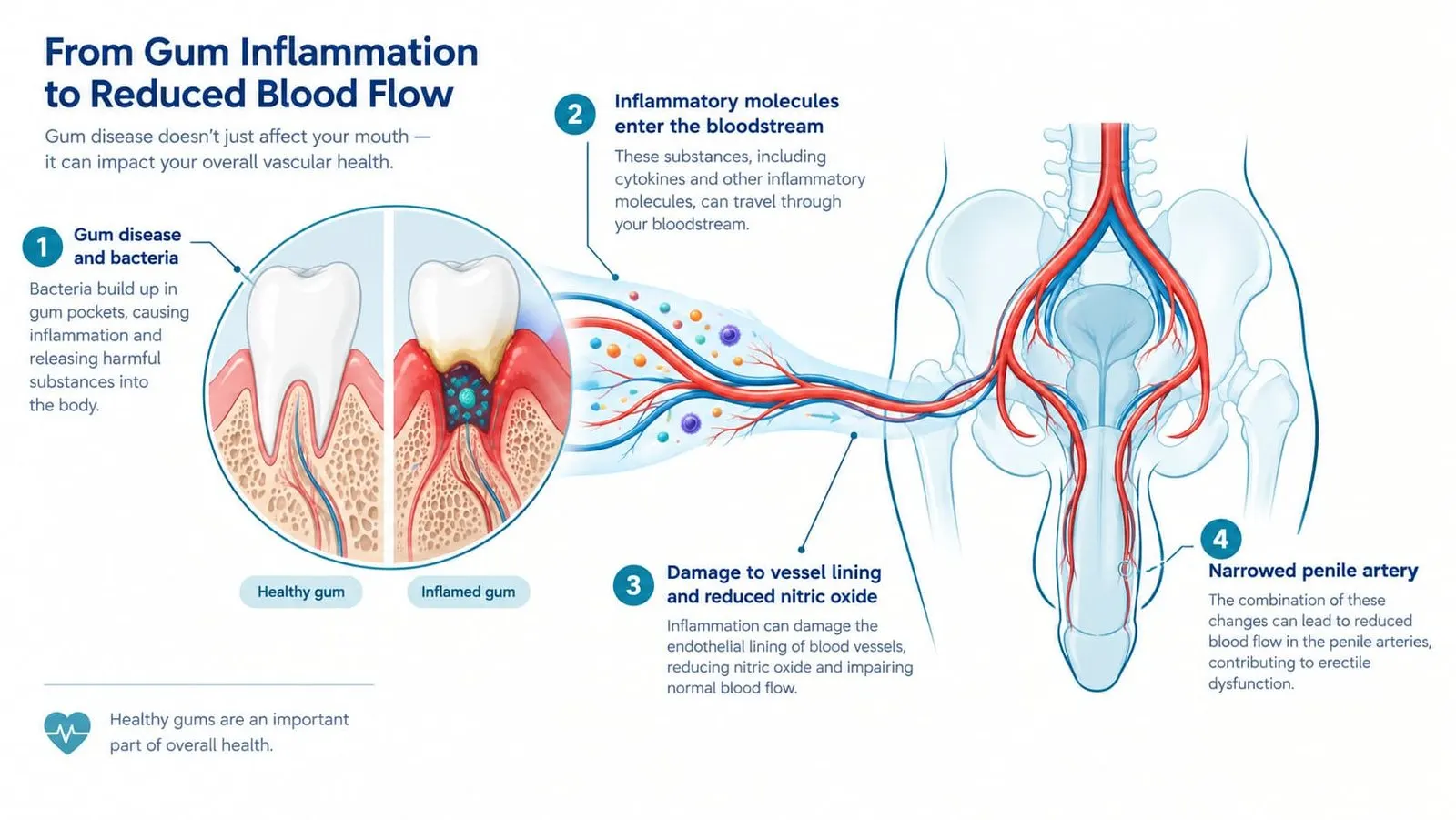
- Reduced blood flow, tissue scarring, low testosterone and extra body fat drive most age-related penile changes.
- Peyronie’s disease, prostate surgery and buried penis can cause larger changes. These need medical review.
- No robust trial shows that PRP increases penile length.
- Lifestyle change and early treatment of erectile problems protect penile health.
Does Penis Size Decrease with Age?
What Counts as a Normal Penis Size
A 2015 systematic review in BJU International measured more than 15,000 men. Veale and colleagues reported a mean erect length of about 13 cm. Mean flaccid length reached about 9 cm. Normal penis size covers a wide range, and no single number defines it. Few long-term studies follow the same men across decades. Most data compare different age groups instead. This limits firm conclusions about change within one man.
How Doctors Measure Penile Length
Clinicians usually measure stretched or erect length along the top of the shaft. Clinicians press the ruler gently against the pubic bone. Pressing into the fat pad gives a longer reading than measuring from the skin surface. Flaccid length varies with temperature, anxiety and arousal. Home measurements therefore fluctuate and mislead. Standard technique allows fairer comparison over time.
How Much Length Can a Man Lose?
The penis gets smaller with age in some men, but the change stays modest. Clinical summaries describe a loss of up to about one inch. Most men lose half an inch or less. Some of this reflects true tissue change. Surrounding fat can also hide the shaft and exaggerate the visible change. Body weight therefore alters the picture as much as age does.
A small, gradual change in length usually does not prevent satisfying sexual activity.
Normal Penile Changes with Ageing
Tissue and Blood Vessel Changes
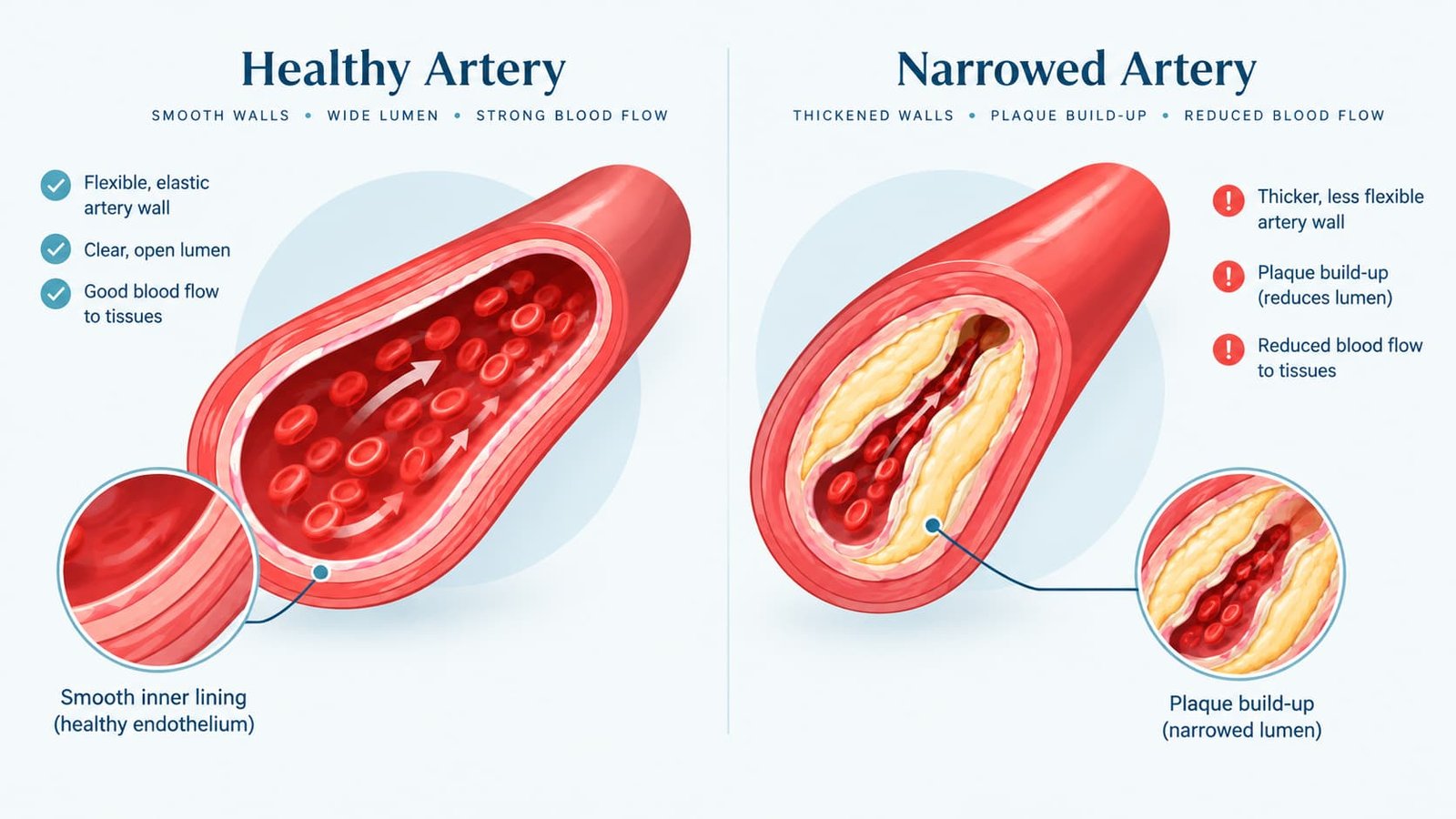
Erections depend on the corpora cavernosa. These two chambers fill with blood during arousal. Smooth muscle inside them relaxes and expands. With age, collagen gradually replaces some smooth muscle. Elastic fibres decline. The tissue stiffens and expands less. Arteries also narrow over time. Narrow arteries deliver less blood, so erections may feel softer or slower.
Hormonal Changes
Testosterone levels fall gradually in many men. Androgens support smooth muscle health and nitric oxide signalling in penile tissue. Lower levels may therefore reduce tissue quality and erectile strength. Testicular volume can also decrease. NICE Clinical Knowledge Summaries include hormone assessment in the review of erectile dysfunction. A GP can arrange a morning blood test when symptoms suggest deficiency.
Skin, Fat and the Pubic Fat Pad
Skin thins and loses elasticity with age. Weight gain around the lower abdomen builds a fat pad above the penis. This pad covers part of the shaft. The penis then looks shorter although the tissue itself changes little. Weight loss often restores some visible length.
Changes Most Doctors Consider Normal
These age-related penile changes usually develop slowly over years:
- Slightly reduced stretched or erect length
- Softer erections that take longer to develop
- Thinner, less elastic skin
- Smaller testicles
- Longer recovery time between erections
Causes of Penile Shrinkage
Several conditions cause loss of penile length. Each carries a different outlook. Identifying the cause guides treatment.
Penile Atrophy in Older Men
Doctors use atrophy to describe tissue wasting. Penile atrophy in older men often follows long-term vascular disease, diabetes, smoking or low testosterone. Lack of erections may add to the problem. Researchers propose that regular erections deliver oxygen to penile tissue. Low oxygen may then promote scarring. This hypothesis explains why erectile function and tissue health appear linked. Evidence remains incomplete.
Peyronie’s Disease
The NHS describes Peyronie’s disease as a condition where scar tissue forms a hard lump, called a plaque, in the penis. The scar tissue causes curvature and pain. It can also shorten the penis. A new bend, a lump or pain during erections needs prompt review. Treatment options exist, and early assessment improves choices. A GP can refer men to urology.
Prostate Surgery and Cancer Treatment
A 2012 long-term study by Vasconcelos and colleagues followed men after radical prostatectomy. Mean stretched length fell by about 1 cm at three months. The loss narrowed to about 0.3 cm by 48 months. Erectile recovery appeared to help length recovery. Androgen deprivation therapy may also reduce penile size. Penile rehabilitation programmes try to protect length and function. Evidence for these programmes remains mixed. Oncology teams can advise on realistic expectations before treatment.
Buried Penis in Older Men
A buried penis stays intact but hides beneath surrounding skin and fat. Buried penis in older men commonly follows obesity, lymphoedema, lichen sclerosus or scarring after surgery. The shaft looks much shorter, yet the erectile tissue may remain healthy. Treatment targets the underlying cause. Options include weight management, skin treatment and surgical referral.
Lifestyle and Medical Risk Factors
Smoking, heavy alcohol intake, inactivity and obesity all harm blood vessels. Diabetes, high blood pressure and raised cholesterol add further damage. The NHS lists these conditions among common physical causes of erectile problems. Controlling them protects circulation and tissue health. Some medicines also affect erections, so a medication review helps.
Psychological Factors and Perceived Shrinkage
Perception can differ from measurement. Men often compare the view from above with images online. Looking down shortens the apparent length through foreshortening. Anxiety and low mood also affect erections and confidence. Persistent worry about size deserves a calm conversation with a GP. Counselling and psychosexual therapy help in suitable cases.
Erectile Dysfunction and Penile Shrinkage
Penile Length and Erectile Function
Erectile dysfunction and penile shrinkage often appear together. Both share vascular and hormonal roots. A penis that fills less fully measures shorter during erection. Reduced penile length in older men can signal reduced erectile quality, not only ageing. The NHS notes that erectile problems become more common after 50. NICE Clinical Knowledge Summaries advise cardiovascular risk assessment in men with erectile dysfunction. Erectile change can warn of wider vascular disease. New erectile symptoms therefore deserve a GP review.
Blood Flow and Penile Size
Blood flow and penile size link directly during erection. Healthy arteries fill the chambers and stretch the tissue to full capacity. Poor inflow limits that stretch. Improving vascular health therefore offers a sound route to protect function. Exercise, weight control, smoking cessation and blood pressure management all support it.
What Supports Penile Health with Age
Lifestyle Measures
NHS self-help advice for erectile problems includes:
- Stopping smoking
- Cutting down alcohol
- Exercising regularly
- Losing excess weight
- Doing pelvic floor exercises
- Managing stress
Medical Treatment Options
NICE Clinical Knowledge Summaries place PDE5 inhibitors, such as sildenafil and tadalafil, as first-line medicines. Vacuum devices, injections and implants serve as later options. A GP can start assessment and treatment. Specialist urology referral suits complex or persistent cases.
When to See a Doctor
A GP review suits any of these:
- Sudden loss of length
- New curvature, lump or pain
- Persistent erectile difficulty
- Skin changes, such as white patches or scarring
- Urinary symptoms or swelling
- Length loss after prostate treatment
P-Shot for Penile Size and Length: What Does the Evidence Show?
How PRP Treatment for Penile Health Works
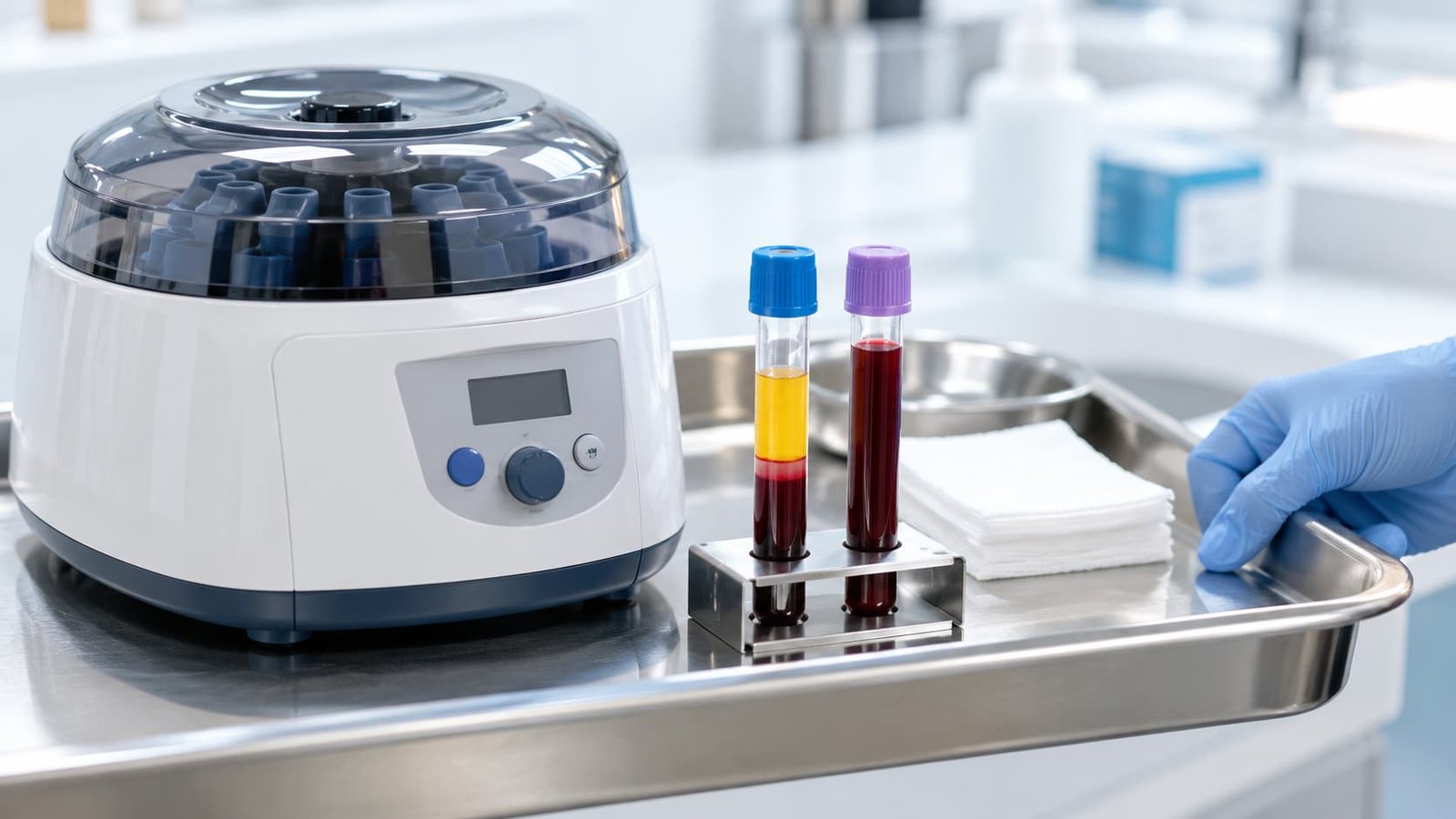
The P shot, also called the Priapus shot, uses the body’s own platelets. A clinician draws a small blood sample. A centrifuge concentrates the platelets into PRP. The clinician then injects the PRP into penile tissue. Platelets release growth factors, including PDGF and VEGF. Laboratory work suggests these factors may promote new blood vessels and tissue repair. Human evidence remains limited.
Evidence on P-Shot for Penile Length
Online material often presents P-Shot for penile size as a growth treatment. The research does not support that claim. Published randomised trials focus on erectile function, not length. These trials do not show that P-Shot for penile length produces lasting gain.
Results for erectile function appear mixed. Poulios and colleagues reported in the Journal of Sexual Medicine in 2021 that 69% of PRP recipients reached a clinically important improvement at six months. Only 27% of the placebo group did so. A 2023 Journal of Urology trial by Masterson and colleagues randomised 61 men. It found no difference between PRP and placebo one month after the second injection.
Both trials found PRP safe, with few adverse events. Small samples and short follow-up limit both studies. NICE Clinical Knowledge Summaries do not list PRP among standard erectile treatments. European Association of Urology guidance calls for further trials before routine use.
Realistic Outcomes and Limits
Some men may notice better erection quality after PRP. Better filling can make the erect penis look fuller. This differs from true tissue growth. PRP does not replace lost tissue, reverse established scarring or reliably treat Peyronie’s curvature.
Bruising, swelling, discomfort and rare infection can follow the procedure. One trial recorded a small penile plaque in a PRP recipient. Active infection, platelet disorders and blood-thinning medicines need medical assessment first. Men with unexplained length change need a diagnosis before any injection.
Choosing a P Shot Provider in London and the UK
Men who search for P Shot London or P Shot UK services should check regulation first. Private clinics that provide medical treatment in England normally register with the Care Quality Commission. The doctor should hold current GMC registration. A consultation should include medical history, examination and a clear discussion of limits. A Priapus shot London provider should explain the evidence gap and avoid guaranteed outcomes.
Dr Syed Nadeem Abbas leads Pshots Clinic UK on Harley Street in Marylebone. Dr Abbas holds MBBS, MRCS (RCS Edinburgh) and MRCGP, plus an MSc in Aesthetic Plastic Surgery with Distinction from Queen Mary University of London. Training included Cambridge, Oxford and the Royal London Hospital.
Frequently Asked Questions
Does penis size decrease with age?
Yes, a small decrease can occur. Published summaries describe losses of up to about one inch, and most men lose half an inch or less. Vascular change, tissue scarring and body fat explain most cases.
Can the P shot reverse penile shrinkage?
No trial shows that PRP reverses true length loss. Some men report better erections after treatment, which may improve apparent fullness. A doctor should diagnose the cause of shrinkage before any injection.
Is penile shrinkage with age permanent?
That depends on the cause. Fat that hides the shaft often recedes with weight loss. Length lost after prostate surgery partly recovers over several years in many men. Scarring from Peyronie’s disease or atrophy may persist.
Does weight loss restore penile length?
Weight loss reduces the pubic fat pad and exposes more of the shaft. True tissue length does not usually change. Visible length therefore improves.
Can erectile dysfunction cause the penis to shrink?
Research has not proven that erectile dysfunction shrinks the penis directly. Poor erectile quality can reduce erect length. Long-term low oxygen may also promote scarring. Early treatment may protect tissue health.
When should a man see a doctor about penile changes?
A GP review suits sudden change, curvature, pain, lumps, skin changes or erectile difficulty. A painful erection lasting longer than four hours needs emergency care.
Key Takeaways
Penile shrinkage with age usually involves small changes with clear, often modifiable causes. Reduced blood flow, tissue stiffening, hormone shifts and body fat explain most cases. Peyronie’s disease, prostate treatment and buried penis explain many larger changes. Each deserves diagnosis, not guesswork.
PRP treatment for penile health remains an emerging option. Trials show mixed results for erectile function and no proven length gain. A P shot may suit selected men who understand these limits and meet medical criteria. Informed decisions start with a GP or urology assessment, realistic goals and regulated care.
Healthy circulation protects the penis at every age. If circulation drives both length and function, which daily habit deserves attention first?
Read more:
Can Type 2 Diabetes-Related Erectile Dysfunction Be Reversed? What Research Shows
Tests to Take Before a P Shot: HbA1c, Testosterone, Lipids and Blood Pressure
Dr Syed Nadeem Abbas, MBBS, MRCSEd, MSc Aesthetic Plastic Surgery (Distinction) Medical Director, Pshot Clinic | CQC Regulated | Monday to Saturday 10:00–18:00 +44 7955 836986