✅Medically reviewed
The relationship between smoking, blood circulation and erectile function matters when considering platelet-rich plasma (PRP) treatment. Smoking affects several biological processes that support healthy erections, including blood vessel function, nitric oxide production and tissue repair.
The central medical distinction is important: research links smoking with vascular dysfunction and erectile dysfunction, but direct clinical evidence proving weaker P-Shot outcomes in smokers remains limited. This article explores the biological reasons for concern without treating an established association as proof of a treatment outcome.
Understanding the Link Between Smoking, Blood Flow and P-Shot
Erectile function depends on more than sexual stimulation. Healthy blood vessels, adequate circulation, responsive nerves and effective communication between the brain and penile tissue all contribute to an erection. Changes in any of these systems can affect erection quality.
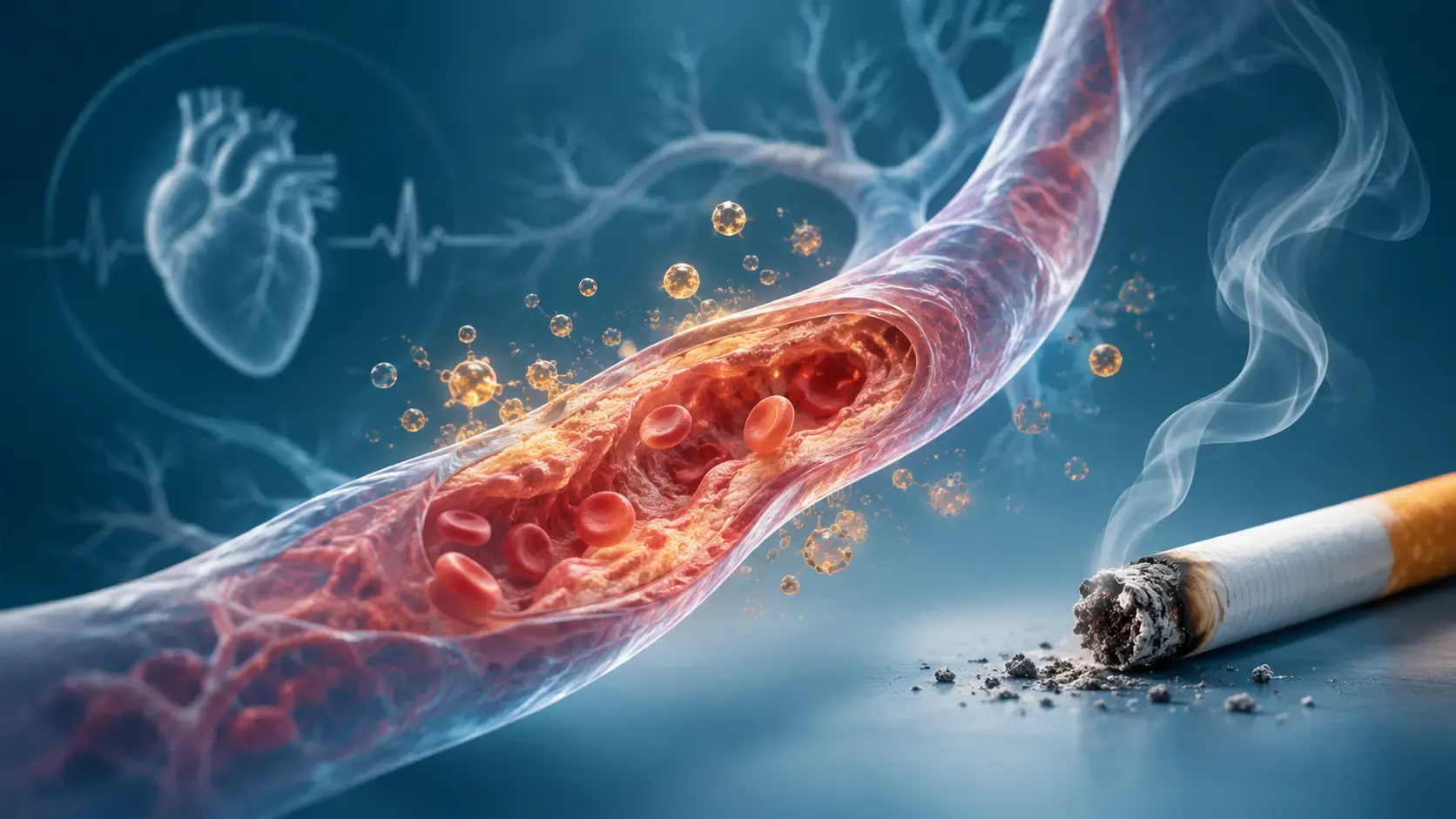
Smoking can interfere with several of these processes. Cigarette smoke contains nicotine, carbon monoxide and numerous toxic chemicals. These substances affect vascular function, increase oxidative stress and contribute to cardiovascular disease. Over time, such changes can reduce the blood supply required for normal erectile function.
These effects raise important questions about men considering platelet-rich plasma (PRP) treatment. The Priapus Shot, commonly known as the P-Shot, uses concentrated platelets from the patient’s own blood. These platelets release growth factors that participate in normal tissue-repair processes.
However, a treatment that uses the body’s own biological material does not automatically overcome the effects of smoking. PRP cannot compensate for every underlying problem that affects blood vessel health, circulation or tissue function.
The relationship between P-Shot and smoking therefore deserves careful consideration. Smoking may affect erectile health before treatment and potentially influence the biological environment in which PRP works. However, researchers have not established a direct clinical link between cigarette consumption and reduced P-Shot success rates.
Understanding this distinction helps patients make informed decisions. It also highlights why smoking history, cardiovascular health and existing medical conditions matter during treatment assessment.
This article examines the biological effects of smoking, the proposed role of PRP, the limitations of current research and the importance of smoking cessation. It also explains what smokers should discuss with a clinician before considering treatment.
What Is the P-Shot and How Does It Work?
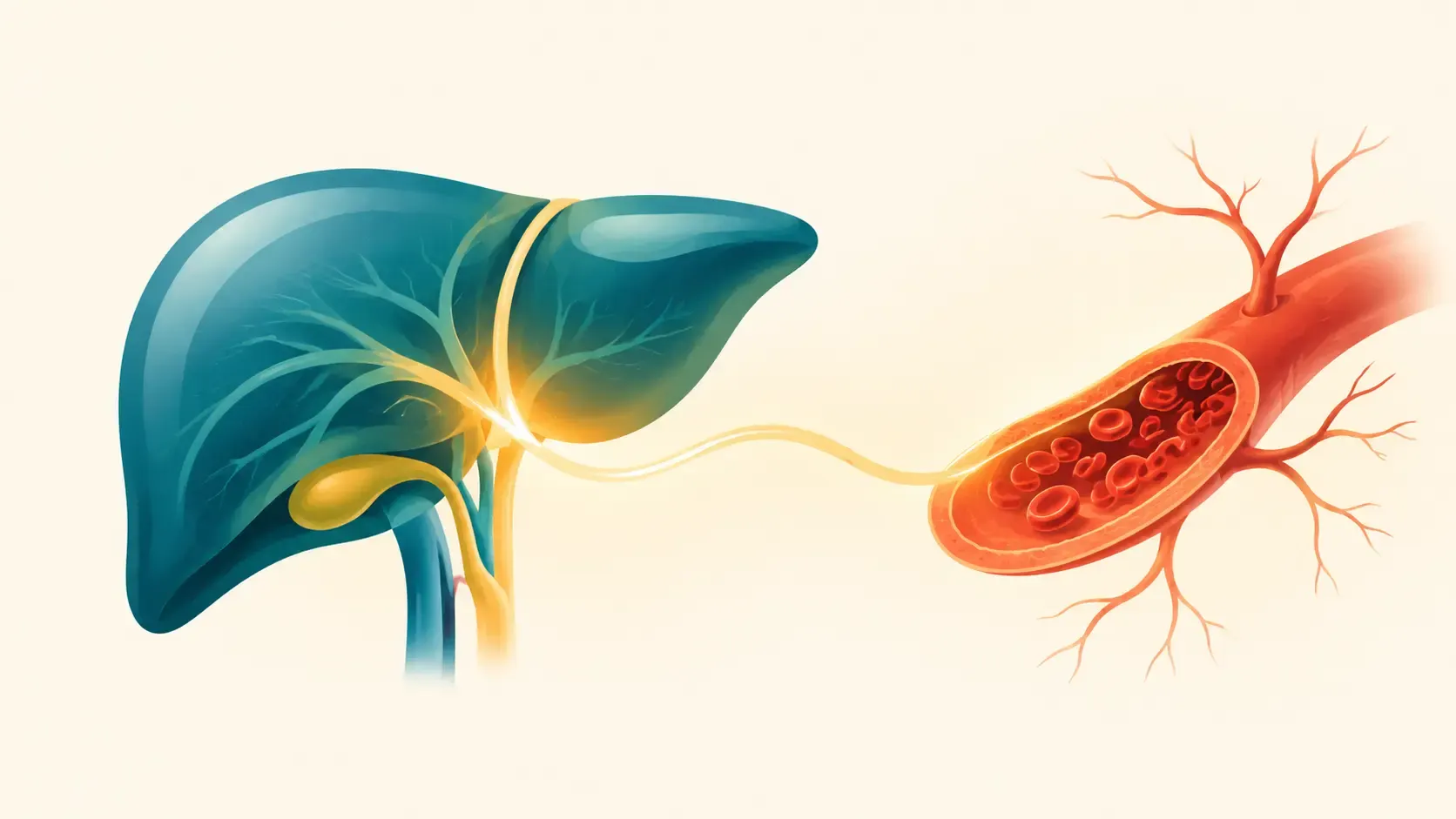
The P-Shot, or Priapus Shot, is a platelet-rich plasma procedure that uses a patient’s own blood. Clinicians collect a small blood sample and process it through a centrifuge. This process separates platelet-rich plasma from other blood components.
The clinician then injects the prepared PRP into selected areas of penile tissue, following the treatment protocol.
Platelets contain several growth factors and signalling proteins. These include:
- Platelet-derived growth factor (PDGF).
- Vascular endothelial growth factor (VEGF).
- Transforming growth factor-beta (TGF-β).
- Epidermal growth factor (EGF).
These substances participate in processes involving cell signalling, tissue repair and blood vessel development. Researchers continue to investigate their potential applications in erectile dysfunction.
The proposed role of PRP in erectile function
An erection requires relaxation of smooth muscle within penile blood vessels. This process allows blood to enter the erectile tissue and helps maintain rigidity.
PRP researchers investigate whether platelet-derived growth factors can support tissue responses associated with:
- Cellular repair and regeneration.
- Vascular health and endothelial activity.
- Blood vessel formation, also known as angiogenesis.
- Local tissue signalling and healing responses.
A plausible biological mechanism does not establish a proven clinical benefit.
Clinical trials have produced mixed findings. A 2023 randomised, double-blind, placebo-controlled trial involving 61 men found no significant difference between PRP and placebo for erectile function. Researchers also found no improvement in penile Doppler measurements.
Consequently, PRP therapy for erectile dysfunction remains an investigational approach rather than an established first-line treatment.
How Does Smoking Affect Erectile Function?
Smoking affects several systems that support normal erections. The most important effects involve blood vessel function, nitric oxide availability, oxidative stress and cardiovascular health.
1. Smoking damages the vascular endothelium
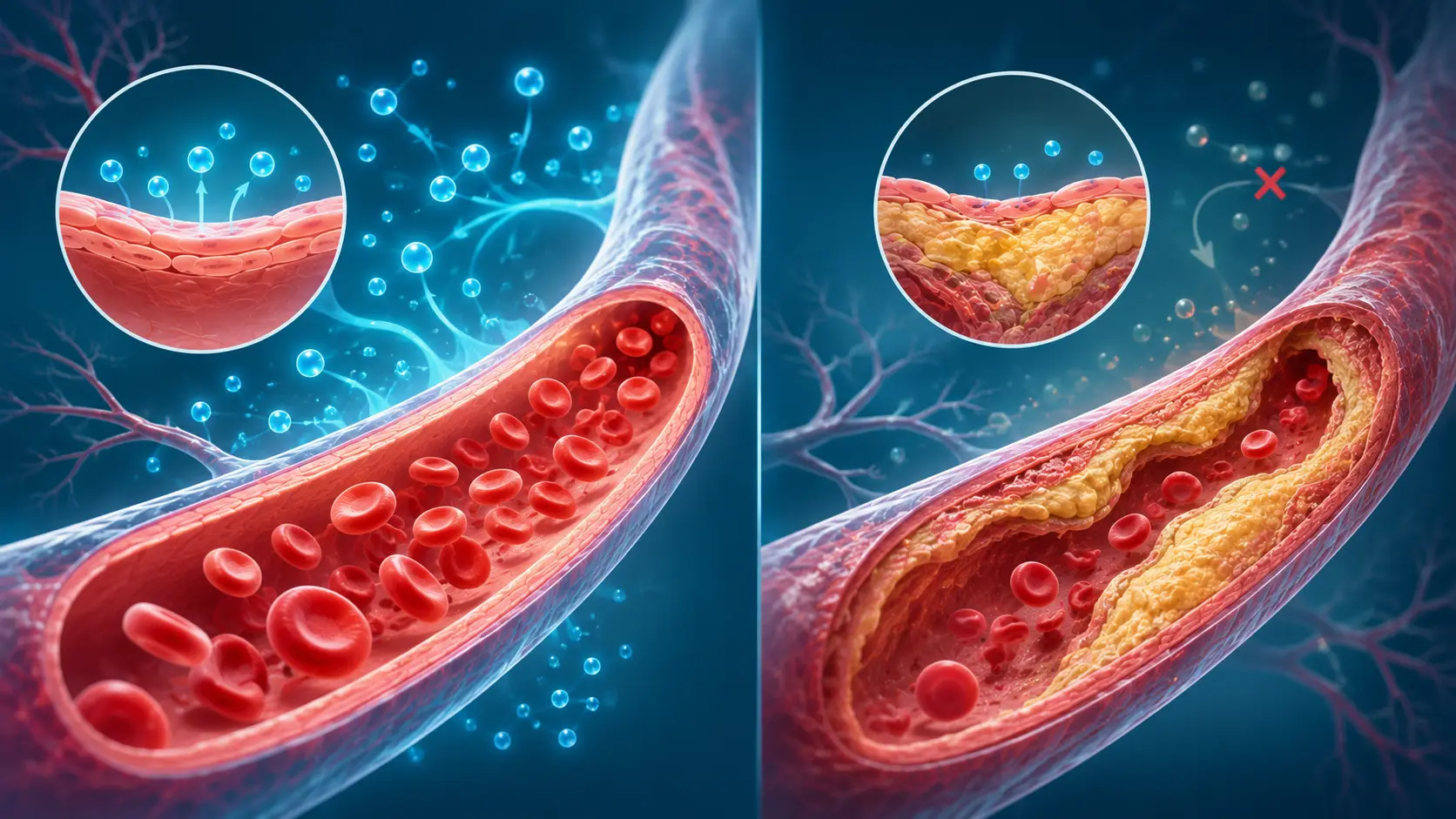
The endothelium forms the thin inner lining of blood vessels. It regulates vascular relaxation, blood flow and several important signalling processes.
Healthy endothelial cells release nitric oxide, which helps blood vessels relax. This relaxation supports increased blood flow during sexual stimulation.
Cigarette smoke exposes the vascular system to chemicals that promote inflammation and oxidative stress. These processes can impair endothelial function and reduce the body’s ability to regulate blood vessel relaxation.
A systematic review published in 2017 identified endothelial impairment, reduced nitric oxide availability and oxidative stress as important mechanisms connecting smoking with erectile dysfunction.
2. Smoking reduces nitric oxide availability
Nitric oxide plays an essential role in erectile physiology. Sexual stimulation activates nerve signals that promote nitric oxide release within penile tissue.
Nitric oxide activates an enzyme pathway that increases cyclic guanosine monophosphate (cGMP). This chemical messenger relaxes smooth muscle and allows penile blood vessels to expand.
Smoking-related oxidative stress can reduce nitric oxide availability. This may interfere with the normal relaxation process.
Consequently, some men who smoke experience difficulty achieving or maintaining an erection.
Healthy nitric oxide signalling supports the vascular response required for a normal erection.
3. Nicotine and blood vessel constriction
Nicotine stimulates the sympathetic nervous system. This stimulation increases the release of catecholamines, including adrenaline.
These chemicals can cause blood vessels to constrict and increase heart rate and blood pressure. Such responses may temporarily affect circulation.
The relationship between nicotine and erectile dysfunction involves more than temporary vessel constriction. Repeated exposure can contribute to wider cardiovascular and vascular problems.
Smoking also exposes the body to substances beyond nicotine. Therefore, nicotine alone does not explain every harmful effect of cigarette smoking.
4. Carbon monoxide reduces oxygen delivery
Cigarette smoke contains carbon monoxide, a toxic gas. Carbon monoxide binds to haemoglobin, the protein that carries oxygen through the bloodstream.
This binding reduces the blood’s capacity to transport oxygen efficiently. Penile tissue, like other tissues, requires an adequate oxygen supply to maintain normal function.
Repeated exposure can therefore contribute to an unhealthy vascular environment.
5. Smoking increases oxidative stress
Oxidative stress occurs when harmful reactive molecules exceed the body’s antioxidant defences.
Cigarette smoke introduces oxidants and stimulates inflammatory processes. These changes can damage cellular structures, including components of blood vessel walls.
Oxidative stress also interacts with nitric oxide pathways. This interaction may further impair endothelial function.
Smoking can therefore affect both the delivery of blood and the biological processes that regulate circulation.
Why Healthy Blood Flow Matters for P-Shot Treatment
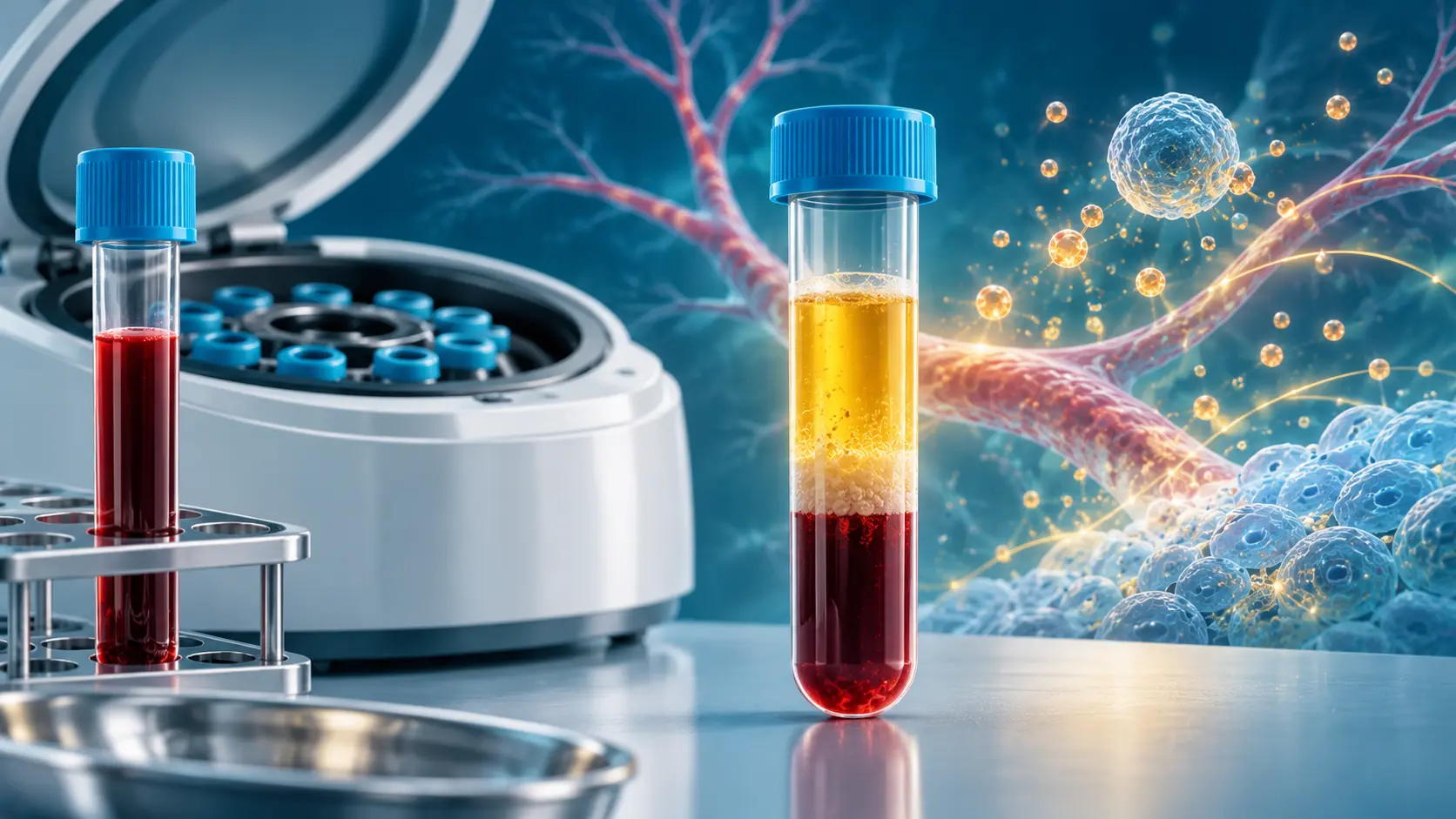
The relationship between P-Shot and smoking becomes particularly relevant when considering the proposed biological effects of PRP.
The procedure uses platelets and their growth factors to influence local tissue signalling. However, healthy tissue also depends on adequate circulation, oxygen delivery and normal cellular activity.
These processes work together rather than independently.
Blood circulation supports tissue function
Blood supplies oxygen and nutrients to tissues. It also transports substances that support cellular metabolism and repair.
When vascular disease restricts circulation, tissue function may deteriorate. Poor circulation can also accompany conditions such as diabetes and cardiovascular disease.
A patient with significant vascular problems may therefore have underlying erectile difficulties that require broader medical assessment.
Tissue repair involves several biological processes
Platelet-derived growth factors participate in tissue-repair pathways. However, successful repair also depends on several other factors.
These include:
- Adequate oxygen delivery.
- Healthy endothelial function.
- Appropriate inflammatory responses.
- Functional local cells.
- Sufficient nutrient supply.
- Control of underlying metabolic conditions.
Smoking can negatively affect several of these processes.
Nevertheless, current research does not establish that smoking directly prevents PRP from releasing growth factors or automatically reduces the clinical response to penile PRP injections.
Why smoking may influence treatment outcomes
Researchers have not established a direct cause-and-effect relationship between smoking and poorer P-Shot outcomes.
However, smoking can contribute to vascular dysfunction and erectile difficulties. These underlying problems may influence overall erectile health, regardless of treatment.
This distinction matters when interpreting Smoking and P-Shot results.
A smoker may experience persistent erectile difficulties because of existing vascular disease. PRP treatment cannot automatically correct those wider health problems.
Therefore, clinicians should assess the underlying cause of erectile dysfunction rather than focus exclusively on the proposed treatment.
Does Smoking Affect P-Shot Results?
The question requires a careful distinction between established smoking-related health effects and unproven treatment-specific effects.
Research clearly associates smoking with erectile dysfunction. Studies also support a relationship between smoking, endothelial dysfunction and reduced nitric oxide availability.
However, researchers have not produced strong clinical evidence showing that smokers consistently achieve weaker outcomes after P-Shot treatment.
A 2025 systematic review and meta-analysis examined seven randomised controlled trials involving 479 participants. The researchers found no consistent superiority of platelet-rich therapies over placebo for erectile function. The authors also highlighted limitations in study size and evidence quality.
This evidence has two important implications.
First, the clinical effectiveness of PRP for erectile dysfunction remains uncertain. Second, researchers need better trials before identifying smoking as a specific predictor of P-Shot outcomes.
Smoking represents an established risk factor for erectile dysfunction, but its precise effect on P-Shot effectiveness remains unknown.
What factors may influence individual outcomes?
Several factors can influence erectile function and the potential response to treatment.
| Factor | Possible relevance |
| Smoking history | Contributes to vascular damage and erectile dysfunction |
| Diabetes | Can damage blood vessels and nerves |
| Cardiovascular disease | May restrict healthy circulation |
| High blood pressure | Can impair vascular function |
| Age | Often accompanies changes in vascular and metabolic health |
| Hormonal conditions | May influence libido and sexual function |
| Medication use | Certain medicines can affect erectile function |
| Psychological health | Stress and anxiety can influence sexual response |
These factors require individual assessment. Smoking status alone cannot determine treatment suitability or predict an individual result.
Can Smokers Still Have P-Shot Treatment?
Smoking does not automatically exclude a person from consideration for PRP treatment. However, the presence of smoking-related health problems may affect clinical suitability.
The decision should depend on medical history, erectile symptoms, cardiovascular risk and the available evidence.
Medical factors clinicians should consider
A clinical assessment should explore several areas.
Smoking history: The clinician should establish the duration of smoking, daily cigarette consumption and any previous attempts to quit.
Cardiovascular health: High blood pressure, cardiovascular disease and vascular symptoms may indicate underlying circulation problems.
Diabetes and metabolic health: Diabetes can damage blood vessels and nerves. Poor glucose control can also contribute to erectile dysfunction.
Medication history: Certain medicines may influence erectile function or interact with other treatment plans.
Previous erectile difficulties: The clinician should establish when symptoms started, how frequently they occur and whether other health conditions contribute.
Does smoking make someone unsuitable?
Not necessarily. Smoking history alone cannot establish treatment suitability.
However, active smokers should discuss their tobacco use and general health before undergoing an elective procedure. A clinician may recommend further cardiovascular or metabolic assessment when symptoms or medical history indicate a need.
At a Harley Street, Marylebone private medical clinic in London, Dr Syed Nadeem Abbas (MBBS, MRCS RCS Edinburgh, MRCGP, MSc Aesthetic Plastic Surgery with Distinction, Queen Mary University London) considers relevant medical history during clinical assessment at pshots clinic uk.
An appropriate treatment decision starts with identifying the cause of erectile dysfunction, not simply selecting a procedure.
Can Quitting Smoking Improve Erectile Function?
Quitting smoking offers important benefits for vascular and cardiovascular health. It also represents a meaningful step towards improving overall erectile health.
The NHS recommends stopping smoking as one of the lifestyle measures that may help with erection problems.
Research supports this recommendation. A systematic review published in 2017 identified evidence that smoking cessation may help restore erectile function. However, individual improvements vary according to existing vascular damage and other health conditions.
What happens after smoking cessation?
The body begins responding to the absence of cigarette smoke after the last cigarette. Some physiological improvements occur relatively quickly, while recovery from long-term vascular damage takes longer.
Several factors influence recovery:
- Carbon monoxide levels begin to fall after smoking stops.
- Oxygen transport improves as carbon monoxide exposure decreases.
- Cardiovascular risk gradually declines.
- Blood vessel function may improve over time.
- Further exposure to cigarette-related toxins stops.
However, smoking cessation does not guarantee complete reversal of established vascular damage.
Quitting smoking and erectile function
Improvements in erectile function depend on several factors. These include smoking duration, age, cardiovascular health and the presence of diabetes.
Men with early vascular changes may experience different improvements from men with advanced cardiovascular disease.
Smoking cessation should therefore form part of a wider approach to erectile health. Regular physical activity, balanced nutrition, healthy weight management and appropriate medical treatment also matter.
Stopping smoking supports vascular health, even when erectile function does not improve immediately.
How Long Before P-Shot Treatment Should Someone Stop Smoking?
There is no established evidence-based interval that guarantees better P-Shot results after smoking cessation.
Clinical trials have not identified a specific number of smoke-free days or weeks that improves penile PRP outcomes.
Consequently, a fixed recommendation such as stopping smoking seven days or one month before treatment would lack sufficient clinical evidence.
Why early cessation matters
Stopping smoking before an elective procedure can reduce exposure to harmful chemicals. It also gives the body more time to recover from some smoking-related effects.
However, the timing of recovery depends on individual health and smoking history.
A clinician should discuss smoking cessation during the initial consultation. The discussion should also cover nicotine replacement products, prescription medicines and other cessation options.
Patients should not delay medical assessment of persistent erectile dysfunction while attempting to quit smoking.
Does Vaping Have Similar Effects on Erectile Health?
Vaping and cigarette smoking expose the body to different substances. However, nicotine-containing vapes can still affect cardiovascular function.
Nicotine can stimulate the sympathetic nervous system and cause temporary increases in heart rate and blood pressure.
Research also investigates how e-cigarette aerosols may affect endothelial function and oxidative stress.
A 2021 study published in the American Journal of Preventive Medicine found an association between daily e-cigarette use and erectile dysfunction. However, observational findings cannot establish that vaping directly causes erectile dysfunction.
Vaping does not expose users to carbon monoxide and many combustion-related toxins found in cigarette smoke. The UK government also recognises vaping as substantially less harmful than smoking.
Nevertheless, vaping is not risk-free, particularly when products contain nicotine.
Nicotine and erectile dysfunction
Nicotine exposure deserves consideration during an erectile health assessment. However, nicotine replacement therapy has a different risk profile from cigarette smoking.
Nicotine patches, gum and other licensed replacement products help manage withdrawal without exposing users to tobacco smoke’s carbon monoxide and combustion products.
A clinician or pharmacist can advise on suitable cessation options.
What Should Smokers Discuss Before P-Shot Treatment?
A thorough consultation helps identify relevant health risks and establish realistic expectations.
The following questions can support a productive clinical discussion.
1. What causes the erectile difficulties?
Erectile dysfunction can result from vascular, neurological, hormonal or psychological factors.
A clinician should assess symptoms and relevant medical history. Persistent erectile dysfunction can also indicate cardiovascular or metabolic disease.
2. Is further investigation necessary?
Depending on individual findings, assessment may include:
- Blood pressure measurement.
- Blood glucose or HbA1c testing.
- Lipid profile.
- Testosterone testing when clinically indicated.
- Medication review.
- Cardiovascular risk assessment.
The European Association of Urology recommends a comprehensive medical and sexual history, physical examination and appropriate laboratory investigations for men with erectile dysfunction.
3. What evidence supports PRP treatment?
Patients should understand the difference between proposed biological mechanisms and demonstrated clinical benefits.
The clinician should explain current evidence, uncertainty, potential risks and established alternatives.
4. Does smoking affect the overall treatment plan?
Smoking history may influence broader medical advice and risk assessment.
A discussion should cover cessation support, existing cardiovascular conditions and any necessary changes before an elective procedure.
5. What alternatives have stronger clinical evidence?
Established erectile dysfunction treatments include lifestyle modification, phosphodiesterase type 5 inhibitors and other specialist interventions.
The appropriate option depends on the underlying cause, medical history and patient preferences.
How Can Smoking Cessation Support Better Long-Term Sexual Health?
Smoking cessation requires a practical plan and appropriate support. Nicotine dependence can make quitting difficult without professional guidance.
The UK provides several recognised options.
NHS stop-smoking services
Local NHS services offer behavioural support, individual advice and help with choosing suitable cessation products.
The NHS reports that professional support can make quitting around three times more likely to succeed.
Nicotine replacement therapy
Products include:
- Nicotine patches.
- Nicotine gum.
- Lozenges.
- Inhalators.
- Mouth and nasal sprays.
These products help manage withdrawal symptoms without exposing the body to cigarette smoke.
Prescription treatments
NICE guidance recognises several treatment options for tobacco dependence. These include nicotine replacement therapy, varenicline, cytisinicline and bupropion, alongside behavioural support where appropriate.
A GP or qualified healthcare professional can assess suitability and discuss possible side effects.
Frequently Asked Questions
1. Does smoking affect P-Shot results?
Smoking contributes to endothelial dysfunction, oxidative stress and reduced nitric oxide availability. These effects can impair erectile health.
However, direct clinical evidence linking smoking with poorer P-Shot outcomes remains insufficient. Researchers need controlled studies to establish whether smoking independently influences treatment response.
2. Can smokers have P-Shot treatment?
Smoking does not automatically exclude someone from consideration. A clinician should assess smoking history, cardiovascular health, erectile symptoms and other relevant medical conditions.
Individual suitability requires a proper medical consultation.
3. Does nicotine reduce P-Shot effectiveness?
Nicotine can affect blood vessel function and cardiovascular activity. However, researchers have not established that nicotine directly reduces the effectiveness of penile PRP injections.
The available evidence does not support a definitive treatment-specific conclusion.
4. Can quitting smoking improve erectile function?
Yes, smoking cessation may improve erectile health, particularly when vascular changes remain reversible.
However, the extent of improvement varies. Established cardiovascular disease, diabetes and other underlying conditions may continue to affect erectile function.
5. How long should someone stop smoking before a P-Shot?
No scientifically established waiting period guarantees improved P-Shot outcomes.
Early smoking cessation supports general health, but a clinician should provide individual advice rather than recommend an arbitrary timeframe.
6. Does vaping affect penile blood flow?
Nicotine-containing vapes may influence cardiovascular function and blood vessel activity.
Research also investigates potential effects on endothelial health. However, evidence about long-term vaping-related erectile dysfunction remains less established than evidence about cigarette smoking.
7. Can P-Shot reverse smoking-related erectile dysfunction?
Current evidence does not establish that P-Shot treatment can reverse smoking-related vascular damage.
Smoking cessation and appropriate management of underlying cardiovascular or metabolic conditions remain important.
8. Is P-Shot an established treatment for erectile dysfunction in the UK?
No. PRP injections for erectile dysfunction remain investigational. Current evidence does not establish consistent clinical benefits over placebo.
Patients should understand this limitation before considering treatment in the UK.
Key takeaways
The relationship between P-Shot and smoking involves several important aspects of vascular and sexual health. Smoking affects endothelial function, nitric oxide availability, oxygen delivery and cardiovascular health. These changes can contribute to erectile dysfunction and may complicate the management of underlying vascular problems.
However, current research does not establish that smokers consistently experience weaker results after P-Shot treatment. The clinical effectiveness of PRP for erectile dysfunction also requires further investigation.
The most important consideration is overall vascular health, rather than smoking status alone.
Men considering a P-Shot should discuss smoking habits, medical history and existing erectile difficulties during a clinical assessment. Smoking cessation can support cardiovascular health and may improve erectile function over time.
A P-Shot consultation should also include an honest discussion of clinical evidence, treatment limitations, potential risks and established alternatives.
Ultimately, understanding P-Shot and smoking requires a balanced approach. Smoking cessation supports better long-term health, while appropriate medical assessment helps identify the most suitable management options.
Before considering a regenerative treatment, an important question remains: are the underlying factors affecting erectile health receiving the attention they need?
Read more:
Cholesterol and Erectile Dysfunction: Do Statins Affect Erections?
Vaping, Nicotine Pouches and Erectile Dysfunction: What Does the Evidence Show?
Dr Syed Nadeem Abbas, MBBS, MRCSEd, MSc Aesthetic Plastic Surgery (Distinction) Medical Director, Pshot Clinic | CQC Regulated | Monday to Saturday 10:00–18:00 +44 7955 836986