✅Medically reviewed
Sexual difficulty rarely stays with one partner. A fading erection changes how both people approach intimacy. Vaginal dryness and pain do the same. Silence often follows, and avoidance grows quietly.
Interest in P-Shot and O-Shot treatment has risen across London and the wider UK for this reason. Both procedures use platelet-rich plasma (PRP), a concentrate prepared from a patient’s own blood. Some clinics promote both as sexual rejuvenation for couples. The marketing often runs ahead of the science.
Honest answers matter more than bold promises. Many competing pages describe PRP as safe, natural and long lasting. Few cite trial data, and fewer explain the limitations. This guide takes a different approach. It reviews the published research and the first-line options that NHS and NICE guidance recommend. The guide then shows where PRP may fit inside a couples sexual wellness treatment plan.
What Is P-Shot and O-Shot Treatment?
These two PRP injection procedures target genital tissue. The P-Shot treats the penis. Meanwhile, the O-Shot targets the clitoris and the anterior vaginal wall. Clinics in the United States popularised both names.
How PRP Is Prepared
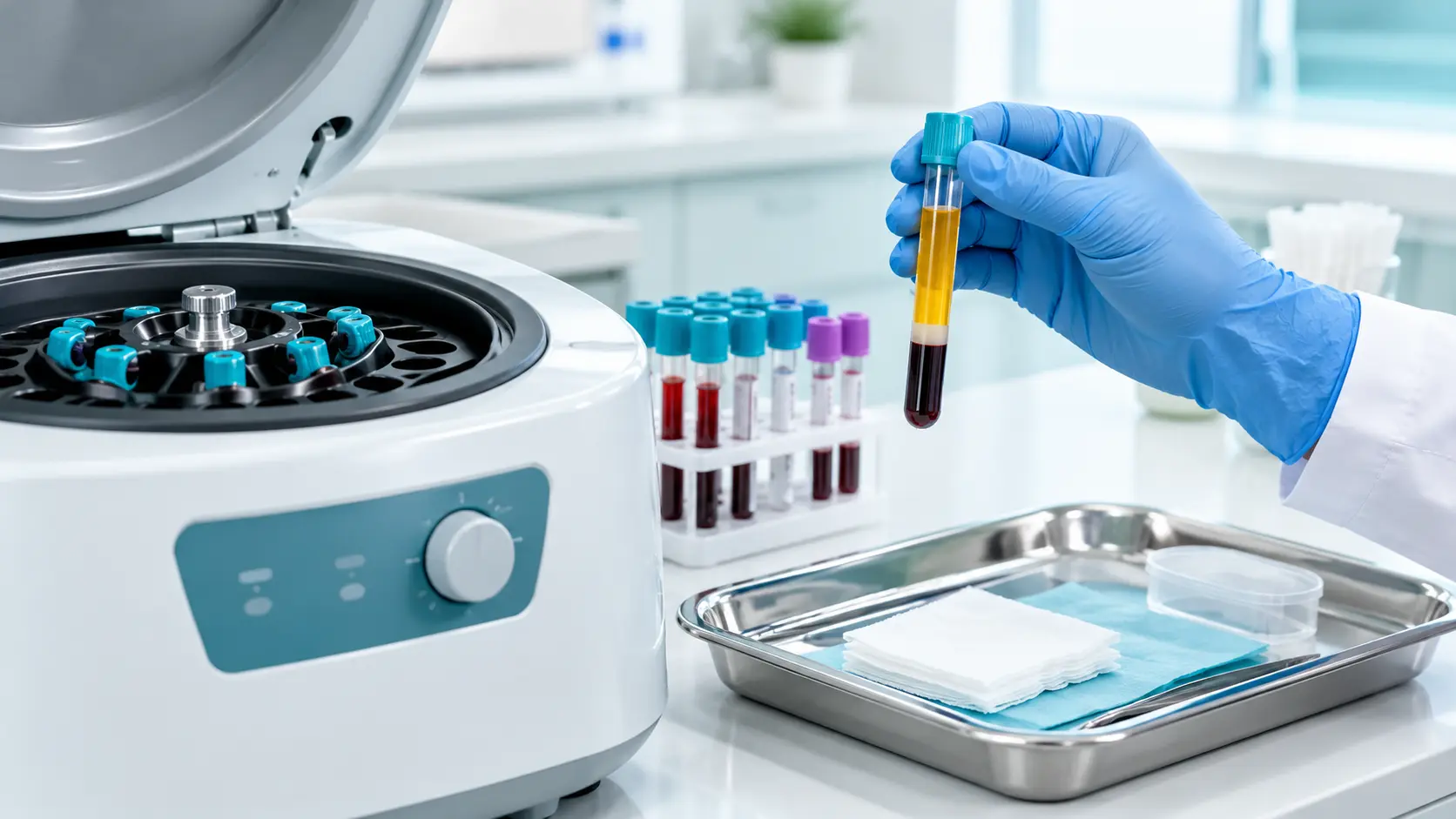
A clinician draws a small blood sample from the arm. Next, a centrifuge separates platelet-rich plasma from other blood components. Platelets release growth factors in laboratory settings. Researchers believe these factors support blood vessel growth, nerve repair and tissue healing. Direct proof of that mechanism in human genital tissue remains limited.
The P-Shot (Priapus Shot)
The P-Shot, also called the Priapus Shot, involves PRP injection into the penile shaft after numbing. Men who search for Priapus Shot London or P Shot London usually report erectile dysfunction (ED). Others report reduced sensitivity or curvature. A P Shot treatment course typically spans one to three sessions in UK clinics. No standard protocol exists. P Shot UK providers vary in PRP preparation, dose and spacing.
The O-Shot
During the O-Shot, clinicians inject PRP near the clitoris and into the anterior vaginal wall. Local anaesthetic comes first. Women who search for O-Shot London appointments usually report vaginal dryness or pain during sex. Others report reduced arousal, difficulty reaching orgasm or mild stress urinary incontinence. O-Shot treatment UK availability is growing, yet no NICE guideline recommends it as a standard option.
Researchers pose a simple question about the O-Shot for female sexual function. Does PRP improve arousal, lubrication and orgasm beyond placebo? Studies of PRP for female sexual health have not answered that clearly.
How the Two Procedures Differ in Practice
Both appointments follow a similar outline, yet anatomy changes the details. Each begins with a consultation, a medical history and written consent. Clinicians then draw blood, prepare PRP and numb the treatment area. Injection follows, and most patients leave the same day. Appointment length varies between clinics.
Aftercare also differs. Men receive advice about sexual activity, exercise and penile hygiene in the first days. Women receive advice about intercourse, tampons and vaginal products. Written instructions should come from the treating clinic, because protocols vary. Some clinics add other treatments, such as low-intensity shockwave therapy. Evidence for those combinations remains separate and equally debated.
What Does the Evidence Say About P-Shot and O-Shot Treatment?
Current evidence supports cautious interest, not confident promises. Research differs sharply between the two procedures. It also differs between studies of the same procedure.
Evidence for the P-Shot
Several randomised controlled trials (RCTs) have tested PRP injections for ED. Pooled results conflict. A 2025 meta-analysis in the World Journal of Men’s Health reported better erectile scores with PRP than placebo. The mean difference measured 3.28 points. A 2024 meta-analysis found short-term benefit for up to six months in mild to moderate ED.
Other analyses disagree. An updated 2025 meta-analysis covered seven RCTs and 479 men. It found no difference between platelet-rich therapies and placebo at one, three or six months. A further 2025 analysis of PRP monotherapy concluded that the evidence does not show consistent, clinically meaningful improvement. Reviewers cite small trials, varied PRP preparation and inconsistent outcome measures.
The honest summary is that P Shot treatment shows promise but lacks proof.
Evidence for the O-Shot
A 2023 systematic review in Biomedicines examined PRP injections for female sexual dysfunction and stress urinary incontinence. It included 327 women across all studies. In the sexual dysfunction studies, PRP improved scores on the Female Sexual Function Index. Vaginal Health Index and sexual distress scores also improved. However, those studies were observational. None was a randomised trial. The authors rated the overall evidence as low and called for high-quality research.
What NHS and NICE Recommend
Neither the NHS nor NICE lists PRP as a standard treatment for ED or female sexual difficulties. NHS guidance on ED advises a GP assessment, lifestyle changes and, where suitable, medicines such as PDE5 inhibitors. NICE Clinical Knowledge Summaries follow the same pattern. Guideline NG23 from NICE on menopause advises vaginal oestrogen for genitourinary symptoms, with lubricants and moisturisers as other options. The NHS also recommends counselling or psychosexual therapy when anxiety or relationship difficulties contribute.
Why Sexual Difficulties Affect Both Partners
Sexual function works as a shared system. Natsal-3, the National Survey of Sexual Attitudes and Lifestyles, found sexual difficulties common among British men and women. Physical problems rarely stay purely physical.
Performance anxiety shows how the cycle develops. Men with performance anxiety often avoid intimacy. Partners frequently read that avoidance as rejection. Women who anticipate pain also avoid touch, and partners often feel unwanted. Each response deepens the other.
Treating one partner alone can leave the cycle intact. A couples sexual wellness treatment approach addresses both bodies and the relationship together.
Age, Menopause and Medicines
Life stage shapes sexual function in both partners. Testosterone levels, blood vessel health and nerve function change with age. Menopause lowers oestrogen, which thins vaginal tissue and reduces lubrication. Antidepressants, blood pressure tablets and other medicines can alter desire, arousal and orgasm. Partners often face these changes at the same time. A shared review prevents one problem from masking another.
A Couples Treatment Plan for Sexual Health
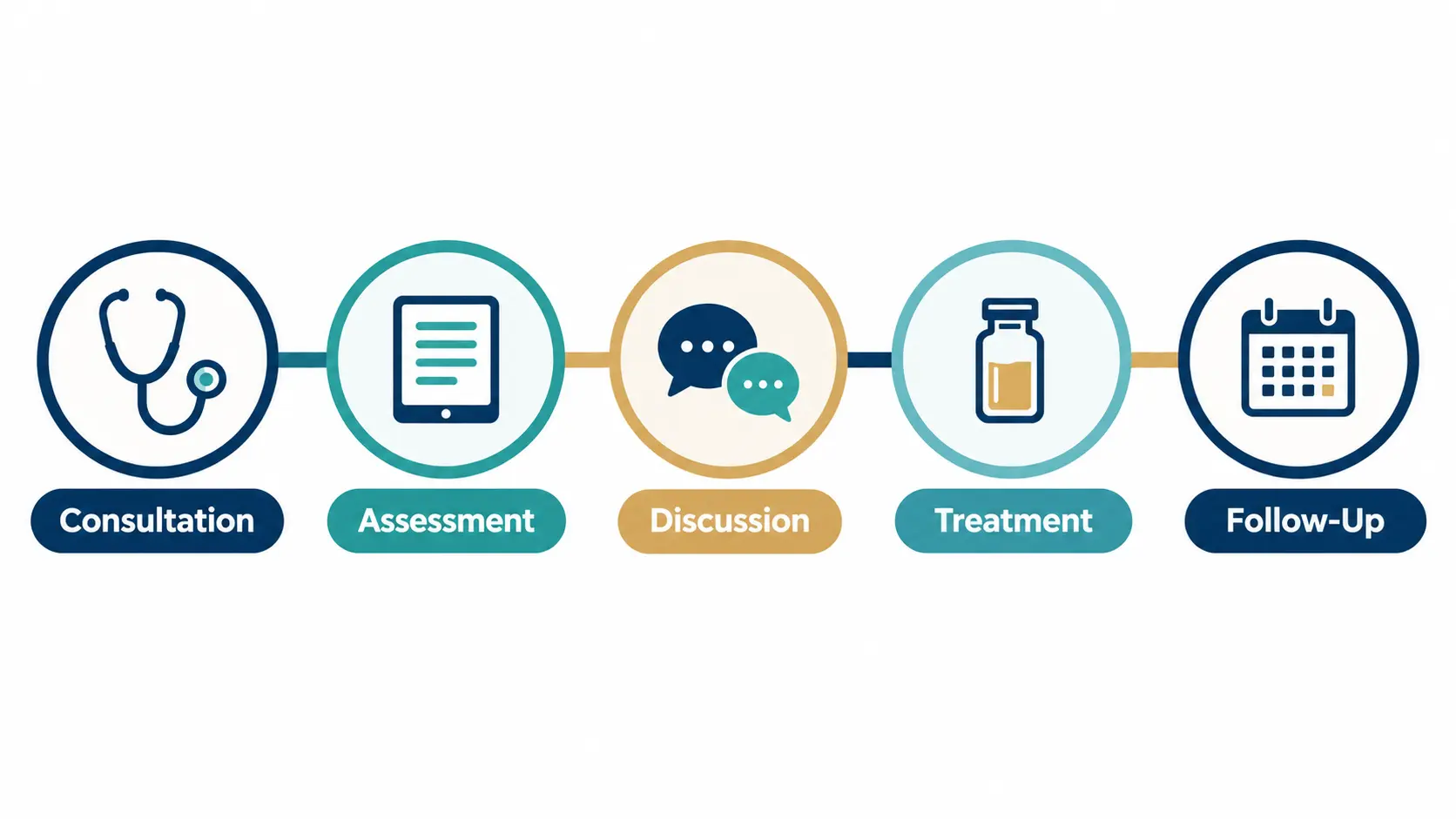
A couples treatment plan for sexual health works best as a sequence, and PRP belongs late in that sequence. The five steps below follow NHS and NICE priorities. Each plan adds PRP only where a clear indication exists.
Step 1: Assess Each Partner Separately
Each partner needs an individual medical review. Clinicians check blood pressure, medicines, smoking, alcohol use, mood and general health. Men may need blood tests for diabetes, cholesterol and testosterone. Women may need assessment of menopausal status, pelvic floor function, infection and skin conditions. Both partners should complete baseline questionnaires. The International Index of Erectile Function (IIEF) suits men. Women complete the Female Sexual Function Index (FSFI).
Step 2: Treat Established Causes First
Diabetes, high blood pressure, depression, hormonal change and some medicines commonly impair sexual function. Treating these conditions can improve symptoms without any injection. PDE5 inhibitors remain first-line for ED. Vaginal oestrogen, lubricants and moisturisers remain first-line for menopausal dryness. These options carry stronger evidence than PRP.
Step 3: Add Psychosexual and Communication Support
Psychosexual therapy addresses anxiety, avoidance and communication. Couples often benefit from attending together. Structured exercises rebuild touch without performance pressure. This step carries no procedural risk.
Step 4: Consider P-Shot and O-Shot Treatment
Couples whose symptoms persist after Steps 1 to 3 may discuss PRP. The clinician must explain the limited evidence, the likely number of sessions and the full costs. Each partner then decides independently.
PRP for sexual wellness involves two separate medical decisions, not one couples package. The P-Shot suits only a man with a clear indication. Likewise, the O-Shot suits only a woman with a clear indication. One partner’s treatment does not require the other’s. Some clinics treat only men or only women, so couples may need separate providers.
Questions to Ask Before Consenting
Informed consent works best when both partners prepare questions. Useful questions include the following:
- What published evidence supports this procedure for my specific symptom?
- Which PRP system and protocol does the clinic use?
- How many sessions does the plan include, and what does each cost?
- Which risks apply, and how does the clinic manage complications?
- Which measurable result will define success at twelve weeks?
Step 5: Review at Twelve Weeks
Repeat the IIEF and FSFI at around twelve weeks. Compare scores with baseline. Discuss changes in satisfaction, comfort and confidence. Stop treatment if no meaningful benefit appears. Repeat injections only when measurable gain justifies further treatment. Trials usually follow patients for one to six months, so longer-term claims lack support.
Who May Benefit, and Who Should Consider Alternatives
Candidate selection matters more than enthusiasm. The best-studied P-Shot group comprises men with mild to moderate vasculogenic ED. Tablets work poorly for some of these men, and others cannot take tablets. Men with severe ED, major psychological drivers or uncontrolled diabetes have less certain prospects. Specialist assessment may point towards other options, including injections, vacuum devices or surgery.
For women, interest centres on postmenopausal dryness, reduced arousal and mild stress urinary incontinence. Pelvic floor physiotherapy, vaginal oestrogen and psychosexual therapy deserve consideration first. Persistent pain during sex needs a diagnosis before any injection. Conditions such as endometriosis, infection or vulvar skin disease require targeted treatment.
Relationship factors also count. Unresolved conflict, low desire in one partner or loss of trust rarely respond to injections. Honest discussion at the outset prevents disappointment later.
Combining Evidence With Personal Goals
Evidence alone cannot settle every decision. Personal goals shape which outcomes matter. Some couples prioritise erection reliability. Others prioritise comfort during intercourse, desire or emotional closeness. A written list of goals helps the clinician match any treatment to a defined target. Goals also give the twelve-week review a clear benchmark.
Timing deserves attention too. Major stress, bereavement, new medicines or recent illness can distort baseline scores. Delaying PRP until circumstances settle produces cleaner comparisons. Patience costs little, whereas rushed treatment can obscure what actually helped.
Risks and Side Effects of P-Shot and O-Shot Treatment
PRP uses the patient’s own blood, which lowers allergy risk. Autologous does not mean risk free. Injection into genital tissue can cause pain, bruising, swelling and temporary redness. Infection and haematoma occur rarely. Long-term safety data remain limited.
Clinicians screen before treatment. Platelet or clotting disorders, anticoagulant use and active genital infection usually prompt specialist review. Active cancer and pregnancy also exclude treatment in most protocols. Skin conditions such as lichen sclerosus need a diagnosis first. Hygiene standards and clinical governance matter.
Costs, Regulation and Choosing a Clinic
The NHS does not fund PRP for sexual function, so couples pay privately. Priapus Shot price differs between clinics and depends on sessions, PRP system and consultation fees. Couples should request a full written cost for the entire course, not a single session. The same applies to O-Shot appointments. P-Shot and O-Shot treatment for both partners doubles the budget.
Regulation also deserves attention. Independent clinics in England must register with the Care Quality Commission (CQC). Doctors must hold General Medical Council registration. Couples can verify both online. The sexual rejuvenation London market includes wide variation in qualifications and standards.
Dr Syed Nadeem Abbas leads pshots clinic UK, a private medical clinic on Harley Street, Marylebone, London. Qualifications include MBBS, MRCS RCS Edinburgh and MRCGP. The MSc in Aesthetic Plastic Surgery at Queen Mary University of London earned a Distinction. Training took place at Cambridge, Oxford and the Royal London Hospital. Couples should confirm in advance which procedures each clinic performs.
Realistic Outcomes
A realistic outcome is modest, gradual and uncertain. Trial data describe small average improvements. A change of two IIEF points marks the minimal clinically important difference in mild ED. Moderate ED needs about five points, and severe ED about seven. Average gains in pooled analyses sit close to those thresholds. Individual results vary. Written targets and baseline scores give couples a fair test of whether treatment helped.
Competing pages claim effects lasting six to twelve months. No robust trial supports a fixed duration. Claims of increased penile size or guaranteed orgasm improvement also lack reliable evidence. PRP will not repair a strained relationship. Counselling remains the appropriate route for relationship problems. Honest expectations protect both partners from disappointment.
Frequently Asked Questions
Can couples have the P-Shot and O-Shot together?
Same-day appointments are possible at some clinics. Each procedure still needs its own assessment, consent and indication. Neither partner needs treatment because the other has it.
Is P-Shot and O-Shot treatment painful?
Clinicians apply topical or local anaesthetic first. Most patients report short-lived discomfort, bruising or soreness. Pain tolerance varies, so patients should ask about anaesthetic options beforehand.
How long do results take?
Trials measure outcomes at one, three and six months. Any improvement appears gradually over weeks rather than days. Some patients notice no change.
Does the NHS offer the P-Shot or O-Shot?
No. NHS and NICE guidance does not list either procedure as a standard treatment. Both remain private options.
Can the O-Shot replace vaginal oestrogen for menopausal dryness?
No evidence supports replacement. NICE advises vaginal oestrogen for genitourinary menopause symptoms. Women should discuss PRP only after considering that option.
Can PRP replace ED tablets?
Current evidence does not show that. PDE5 inhibitors remain first-line for ED. A GP or urologist can advise on combining treatments.
Key Takeaways
Informed couples ask better questions than hopeful couples. P-Shot and O-Shot treatment sits at the edge of current evidence. Early studies show promise, and larger trials show disagreement. Proven options exist for most causes of sexual difficulty, and these deserve first attention. A couples treatment plan for sexual health therefore starts with assessment. It treats causes, supports communication and only then weighs PRP. Written baselines and a twelve-week review keep decisions honest.
If symptoms improved but intimacy still felt strained, which matters more: the next injection or the next honest conversation?
Read more:
Priapus Shot and Ejaculation: Does Anything Change?
P Shot and Finasteride: What Men Taking Hair-Loss Tablets Should Know
Dr Syed Nadeem Abbas, MBBS, MRCSEd, MSc Aesthetic Plastic Surgery (Distinction) Medical Director, Pshot Clinic | CQC Regulated | Monday to Saturday 10:00–18:00 +44 7955 836986