P Shot for Men: Penile Enhancement, Sexual Rejuvenation and What to Expect

✅Medically reviewed | Updated October 2026
Few topics in men’s health attract as much curiosity and confusion as the P Shot, a platelet-rich plasma injection. Online adverts promise firmer erections, greater sensitivity and renewed confidence. Medical bodies urge caution. The gap between those messages leaves many men unsure what to believe.
Erectile difficulties are common. The NHS describes erectile dysfunction as a frequent condition, particularly in older men. Causes range from vascular disease and diabetes to stress and medication effects. Many men therefore search for options beyond tablets, and regenerative medicine has entered that conversation.
P Shot for Men sits where regenerative medicine meets a sensitive personal concern. Clinicians draw blood, concentrate the platelets and inject the plasma into penile tissue. The stated aim is better blood flow, nerve function and tissue quality. Evidence for those aims remains mixed, and several trials disagree.
This guide examines the treatment in clinical terms. The sections below explain the science, the procedure, realistic outcomes and the limits of current research. Suitability, risks and cost receive equal attention. Readers should finish with accurate information and a clear list of questions for a qualified doctor.
What Is the P Shot for Men?
The P Shot is a form of platelet-rich plasma (PRP) therapy. Clinicians also call it the Priapus Shot, after the Greek god of fertility. P Shot for Men is an experimental procedure, not a standard NHS treatment. Cleveland Clinic describes the injection as experimental and notes that no standard protocol exists. UK clinics offer the service privately. The Care Quality Commission regulates those clinics, and the General Medical Council registers the doctors.
How Clinicians Prepare Platelet-Rich Plasma
A clinician draws a small blood sample from the arm. Next, a centrifuge spins the sample and separates its components. The process concentrates platelets in a small volume of plasma. Platelets release growth factors during normal wound healing. Orthopaedic teams already use PRP for tendon and joint problems. Clinicians then inject the concentrate into penile tissue after applying local anaesthetic.
The Proposed Biological Mechanism
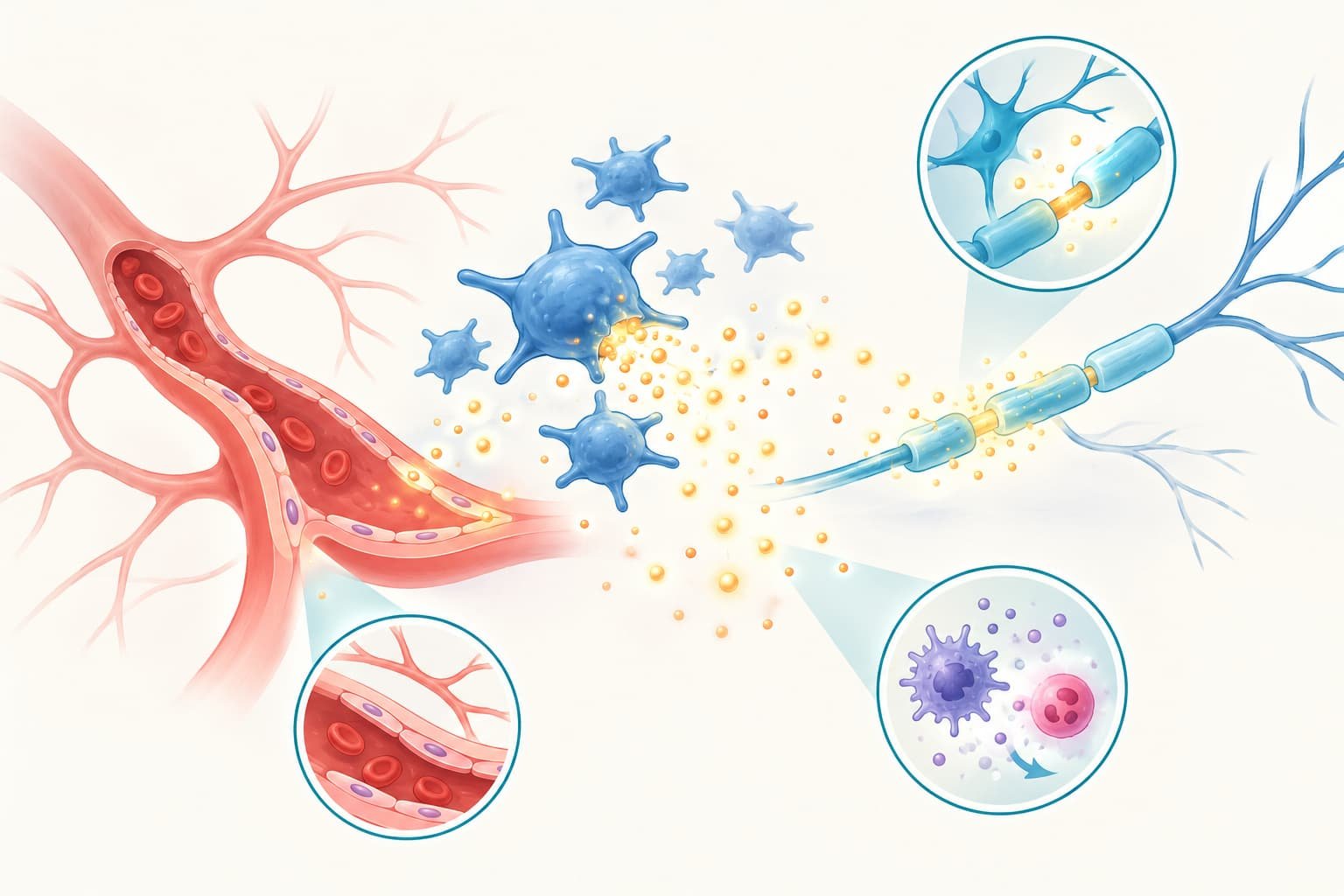
Laboratory and animal studies suggest platelet growth factors influence tissue repair. Researchers propose three main effects.
Blood Vessel Support
Growth factors such as vascular endothelial growth factor may encourage new capillary formation. Improved blood supply could, in theory, support erectile rigidity.
Nerve and Tissue Repair
Pelvic surgery and diabetes can damage penile nerves and reduce sensation. Researchers hypothesise that growth factors may support nerve recovery. Human data remain sparse.
Reduced Inflammation
PRP may also dampen local inflammation. This idea drives interest in Peyronie’s disease and lichen sclerosus. Clinical proof remains absent for both conditions.
Each proposed mechanism remains a hypothesis in men rather than a proven pathway.
What the Evidence Shows
Published research on PRP for male sexual function has grown quickly since 2019. Quality and consistency vary, and many studies enrolled small groups. The sections below separate what trials measured from what advertising claims.
Erectile Function
Most trials measure erectile function with the International Index of Erectile Function (IIEF). A 2021 randomised, placebo-controlled trial in the Journal of Sexual Medicine reported improved IIEF scores after PRP injections. Later pooled analyses reached different conclusions.
Mao and colleagues pooled four randomised trials with 413 patients in The Aging Male in 2024. PRP outperformed placebo on IIEF scores at one, three and six months. A separate 2024 review of three trials covered 221 men with mild to moderate erectile dysfunction. That review found short-term improvement for up to six months and recorded no major adverse events.
Not every analysis agrees. A more recent systematic review pooled seven randomised trials with 512 participants. It concluded that current evidence does not support a consistent, clinically meaningful gain from PRP alone compared with placebo. A further review of seven trials covered about 480 patients. It found no significant difference at one, three or six months.
Differences in protocol explain part of the conflict. Trials used PRP volumes between 5 and 10 mL across two to four sessions. Platelet concentration, patient age and baseline severity also differed. Placebo arms in erectile function trials often show improvement as well, which complicates interpretation.
Official guidance remains cautious. NICE Clinical Knowledge Summaries on erectile dysfunction centre on lifestyle change, underlying causes, PDE5 inhibitors and psychological support. As far as published guidance shows, NICE does not list PRP among recommended options. European Association of Urology guidance treats intracavernosal PRP as investigational. Cleveland Clinic’s page, last updated in April 2024, states that trials had not shown improved erections.
Realistic Outcomes
A realistic outcome means a modest change in erectile function scores, not a return to youthful function. Reviews that found benefit reported mean IIEF gains of roughly two to three points. Such a change can matter to some men. It falls well short of a cure.
Sensitivity, Sexual Confidence and Satisfaction
Few trials treat penile sensitivity as a primary outcome. Cleveland Clinic reports no scientific evidence that the injection improves sensation or ejaculatory control. Claims in this area therefore rest mainly on clinic reports and small observational studies.
Sexual confidence depends on more than tissue health. Performance anxiety, relationship factors, mood and sleep all contribute. The NHS lists talking therapies among treatments for psychological causes of erectile dysfunction. A tissue injection cannot replace assessment of those factors.
Penile Enhancement and Size Claims
Some marketing links the P Shot with increased length or girth. No credible clinical evidence supports that claim. Cleveland Clinic states the same. UK advertising rules require health claims to hold up to evidence. Men seeking size change should treat such promises with scepticism.
Who May Be Suitable for the P Shot
Possible Candidates
Suitability for P Shot for Men depends on diagnosis, medical history and realistic goals. Trials mostly enrolled men with mild to moderate erectile dysfunction of vascular origin. Doctors may consider the treatment for men who cannot take PDE5 inhibitors such as sildenafil or tadalafil. Others may wish to explore regenerative options after tablets failed.
A man should first complete a full assessment for erectile dysfunction. The NHS notes that erectile dysfunction can signal heart disease or diabetes. A GP review of blood pressure, cholesterol, blood glucose and medication therefore comes first.
Evidence for Peyronie’s disease, lichen sclerosus, ejaculatory problems and low libido remains minimal. Clinicians should describe use in those conditions as exploratory.
Who Should Avoid or Delay Treatment
- Bleeding disorders or low platelet counts may require additional medical assessment before treatment.
- Patients taking anticoagulant medication should have their treatment reviewed by a qualified clinician beforehand.
- Those currently receiving treatment for pelvic cancer may not be suitable candidates.
- Uncontrolled diabetes or untreated cardiovascular disease should be medically managed before considering treatment
Doctors should explain why a man falls outside suitability criteria. A clinician who declines treatment on safety grounds acts correctly.
What to Expect: Procedure, Recovery and Timeline
Consultation and Assessment
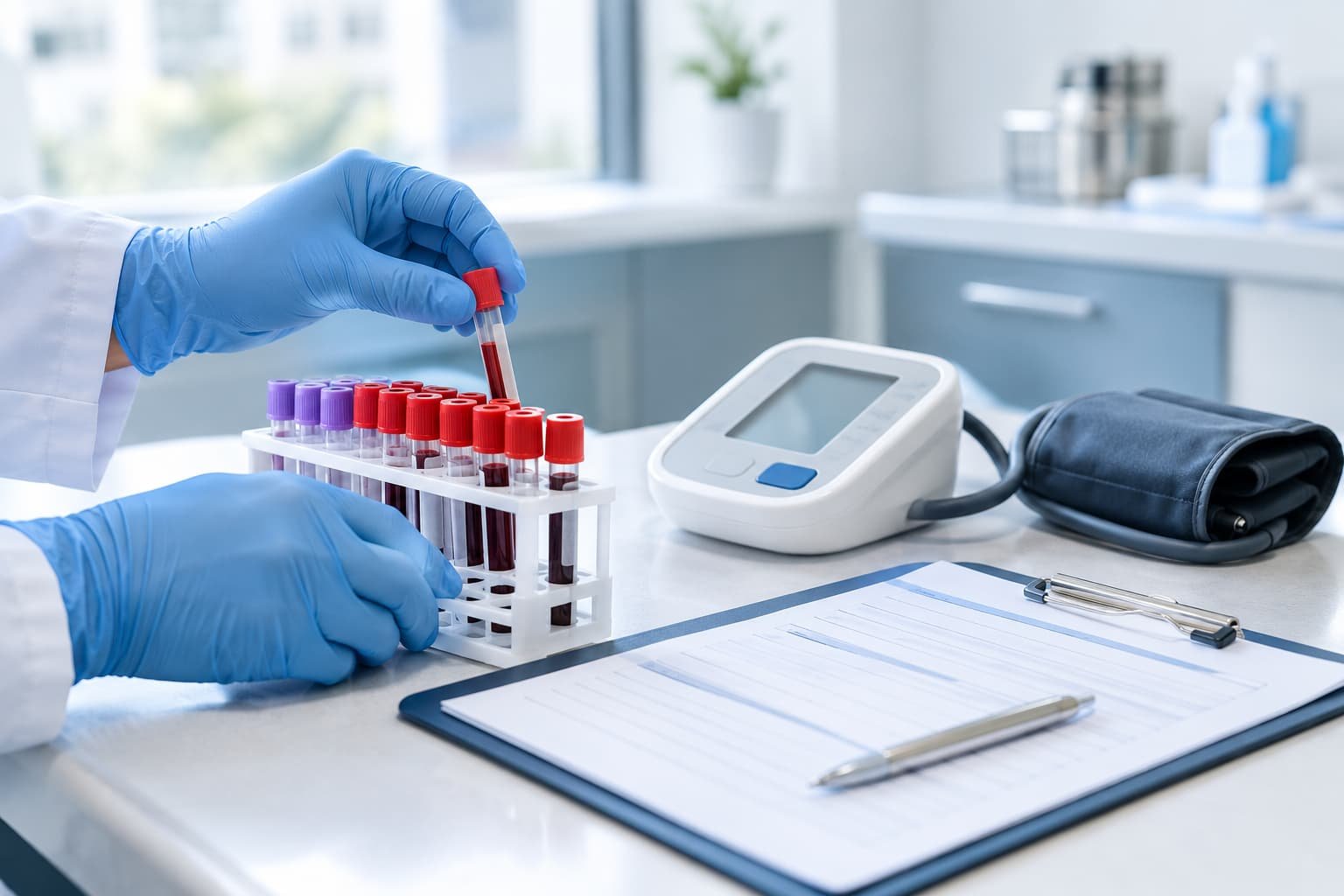
A responsible consultation covers medical history, medication, cardiovascular risk and sexual history. The clinician may record a baseline IIEF score. Blood tests for testosterone, HbA1c and lipids often add useful information. The doctor should explain the evidence, the alternatives and the uncertainty before seeking written consent.
The Procedure
Cleveland Clinic reports that the procedure usually takes under 30 minutes. Clinics often allow longer for preparation. The steps follow a consistent order:
- First, a small blood sample is collected from a vein in the arm.
- The sample then undergoes centrifugation to concentrate the platelets.
- Before the procedure, numbing cream or a local anaesthetic injection may be used to improve comfort.
- Finally, the concentrated PRP is injected into several selected areas of the penis.
Patients usually report pressure or discomfort rather than sharp pain. Discomfort can rise as the anaesthetic wears off.
Recovery and Timeline
Most men return to normal activity soon after treatment. Clinics commonly advise a short break from sexual activity, often several days. Mild swelling and bruising usually settle within days.
Clinics often describe gradual change over weeks to months, but trials give a narrower picture. Studies measured outcomes at one, three and six months. Evidence on benefit beyond six months remains thin. No agreed schedule exists for repeat sessions. Some clinics suggest yearly treatment, and others suggest more frequent sessions.
Cleveland Clinic advises continued treatment only when a man perceives benefit and holds realistic expectations. Men should seek urgent review after signs of infection, worsening pain or numbness lasting several hours.
Risks and Limitations
Known Risks
P Shot for Men carries a low procedural risk, but low risk does not prove benefit. Autologous PRP carries a low chance of allergic reaction because the sample comes from the patient. Cleveland Clinic lists bruising, discolouration, swelling and infection as minor risks. Rarer events include haematoma, injury to local tissue, fainting during the blood draw and reaction to local anaesthetic. Long-term safety data remain limited.
Some clinics combine PRP with other injectables or devices. Add-ons carry separate risks and weaker evidence. Patients should ask for each component by name.
Limitations of Current Evidence
- Most available studies are small, with relatively short follow-up periods.
- PRP protocols also vary, including differences in preparation methods, injection volume and number of sessions.
- Meta-analyses have produced conflicting pooled results, making the overall evidence difficult to interpret.
- Important patient-centred outcomes remain under-researched, particularly sensitivity, satisfaction and changes in penile size.
- Long-term evidence is still limited, with few data available beyond approximately six months.
These limits mean no clinician can promise a result. Some men may gain meaningful improvement, and others may notice nothing.
Established Alternatives to the P Shot
Several treatments carry stronger evidence. NHS and NICE sources describe these options:
- Making lifestyle changes can include regular exercise, weight management, stopping smoking and reducing alcohol intake.
- For some men, PDE5 inhibitors such as sildenafil and tadalafil may be prescribed.
- Vacuum erection devices provide a non-surgical option that can help support an erection.
- Another treatment option is alprostadil, which may be administered by injection or as a urethral pellet.
- Psychosexual therapy and counselling can be helpful when psychological or relationship factors contribute to erectile difficulties.
- In selected cases, penile implant surgery may be considered when other treatment options have not provided satisfactory results.
Low-intensity shockwave therapy has separate trial evidence. One meta-analysis found shockwave therapy improved IIEF scores at three months, whereas PRP reached significance at six months. The authors judged the evidence for both treatments limited.
Priapus Shot Price in the UK
The NHS does not fund the P Shot, so patients pay privately. Clinic location, PRP system, anaesthesia and follow-up care all influence the Priapus Shot Price. Published UK fees commonly fall between about £800 and £1,500 per session.
The total cost of P Shot for Men also depends on how many sessions a clinic recommends. Private medical insurers rarely cover experimental procedures. Patients should request a written quote before booking. The quote should state the number of sessions, the follow-up appointments and any add-on treatments. A low headline fee can hide extra charges, so itemised pricing matters.
Choosing a Clinic for P Shot Treatment in London
Interest in P Shot London services has grown, and standards vary. Men comparing P Shot treatment London options can apply several checks:
Check that the treating doctor is GMC-registered by verifying their details on the public register.
The clinic should also hold appropriate CQC registration, which can be confirmed through the CQC website.
Ideally, a qualified doctor should perform the injection and be able to manage any complications that may arise.
Before treatment, patients should receive written consent information covering the available evidence, potential risks and alternative options.
Details of the PRP system and proposed number of sessions should be clearly disclosed before treatment begins.
A reputable provider should not guarantee results or promise penile size gains, as outcomes can vary between patients.
Men searching for Priapus Shot London providers should also ask about complication handling and follow-up access. Those considering P Shot UK options outside the capital should apply the same checks. Clinics marketing sexual rejuvenation London packages should itemise each component. A sound approach to P Shot for male sexual health begins with diagnosis, not with a product.
The Marylebone clinic pshots clinic uk operates under the medical direction of Dr Syed Nadeem Abbas. Qualifications include MBBS, MRCS (RCS Edinburgh) and MRCGP. An MSc in Aesthetic Plastic Surgery with Distinction from Queen Mary University of London adds to that record. The doctor trained at Cambridge, Oxford and the Royal London Hospital.
Frequently Asked Questions
Does the NHS offer the P Shot?
No. The NHS does not provide PRP injections for erectile dysfunction. NHS services offer lifestyle advice, PDE5 inhibitors, vacuum devices, talking therapy and other established options.
Is P Shot for Men safe?
Procedural risks are low. Bruising, swelling and infection are the main concerns. Long-term data remain limited, and benefit remains unproven for many uses.
Does the P Shot increase penis size?
No reliable evidence supports size increase. Cleveland Clinic states that the claim lacks scientific support.
How long do results last?
Trials followed patients for up to six months. Evidence beyond that point remains limited. Claims of results lasting 12 months or longer lack robust trial support.
Can the P Shot replace tablets such as sildenafil or tadalafil?
Current evidence does not support replacement. PDE5 inhibitors have far stronger trial evidence. Men should not stop prescribed medication without medical advice.
Should a GP assess erectile dysfunction first?
Yes. Erectile dysfunction can signal cardiovascular disease, diabetes or hormonal disorders. A GP assessment screens for those conditions before any private procedure.
Key Takeaways
P Shot for Men occupies an uncertain place in modern sexual medicine. Some randomised trials and meta-analyses report short-term gains in erectile function scores. Other pooled analyses find no consistent benefit. Claims about sensitivity and size lack support.
Informed decision-making begins with diagnosis, not with a procedure. A man should complete a GP or urology assessment, review proven treatments and understand the experimental status of PRP. Costs, risks and limits deserve equal weight alongside hopes. A qualified, regulated doctor should answer every question plainly and promise nothing.
Sexual health improves most reliably when physical, psychological and relationship factors receive attention together. If evidence remains unsettled, how much uncertainty should a man accept for a result nobody can guarantee?
Read more:
P Shot in London: Complete Guide to Treatment, Suitability, Results, Risks and Costs
What Is the P-Shot Success Rate? What the Research Really Shows
Dr Syed Nadeem Abbas, MBBS, MRCSEd, MSc Aesthetic Plastic Surgery (Distinction) Medical Director, Pshot Clinic | CQC Regulated | Monday to Saturday 10:00–18:00 +44 7955 836986