
Premature ejaculation affects a substantial share of men across the United Kingdom. Yet open discussion of the condition remains rare. Private clinics along Harley Street and in Marylebone now field growing enquiries about regenerative options. This includes the P Shot for Premature Ejaculation. Men search for alternatives beyond medication and behavioural exercises. Growing curiosity, however, does not equal proven benefit. This raises a central clinical question. Does robust evidence support platelet-rich plasma injections for ejaculatory control? Or does interest currently outpace the science?
This article examines the biological rationale behind PRP injections. It reviews the current evidence base. It compares that evidence against NHS and NICE-endorsed treatments already established for premature ejaculation. The article also sets out realistic timelines, safety considerations, and pricing. Readers can then weigh the treatment against medical fact rather than promotional claims.
What Is Premature Ejaculation?
Definition and Prevalence
NHS clinical knowledge summaries describe premature ejaculation as ejaculation sooner than a man or his partner would like. Clinicians typically define it as ejaculation within roughly one minute of penetration. An inability to delay it, alongside distress, forms part of the definition. Population studies suggest around one in three men experience premature ejaculation at some point. This makes it the most commonly reported male sexual dysfunction in general practice. Despite this prevalence, many affected men delay seeking help for months or years. Embarrassment, rather than lack of concern, usually explains the delay.
Clinicians separate lifelong premature ejaculation from acquired premature ejaculation. Lifelong cases have been present since early sexual experience. Acquired cases develop later in life. Acquired cases more often link to an identifiable trigger. Lifelong cases tend to relate to neurobiological factors present from adolescence onward.
Physical and Psychological Causes
Premature ejaculation rarely stems from a single cause. Psychological contributors include performance anxiety, relationship stress, and early sexual conditioning. Physical contributors include heightened penile sensitivity and thyroid dysfunction. Chronic prostatitis and coexisting erectile dysfunction also contribute. Fear of losing an erection often drives men to rush toward ejaculation. NICE guidance advises clinicians to rule out thyroid disorders and prostate conditions first. Erectile dysfunction also warrants assessment before assuming a purely psychological cause. Identifying the correct underlying cause remains essential. Treatment for a physical trigger differs substantially from treatment for anxiety-driven premature ejaculation.
What Is the P Shot?
The PRP Process
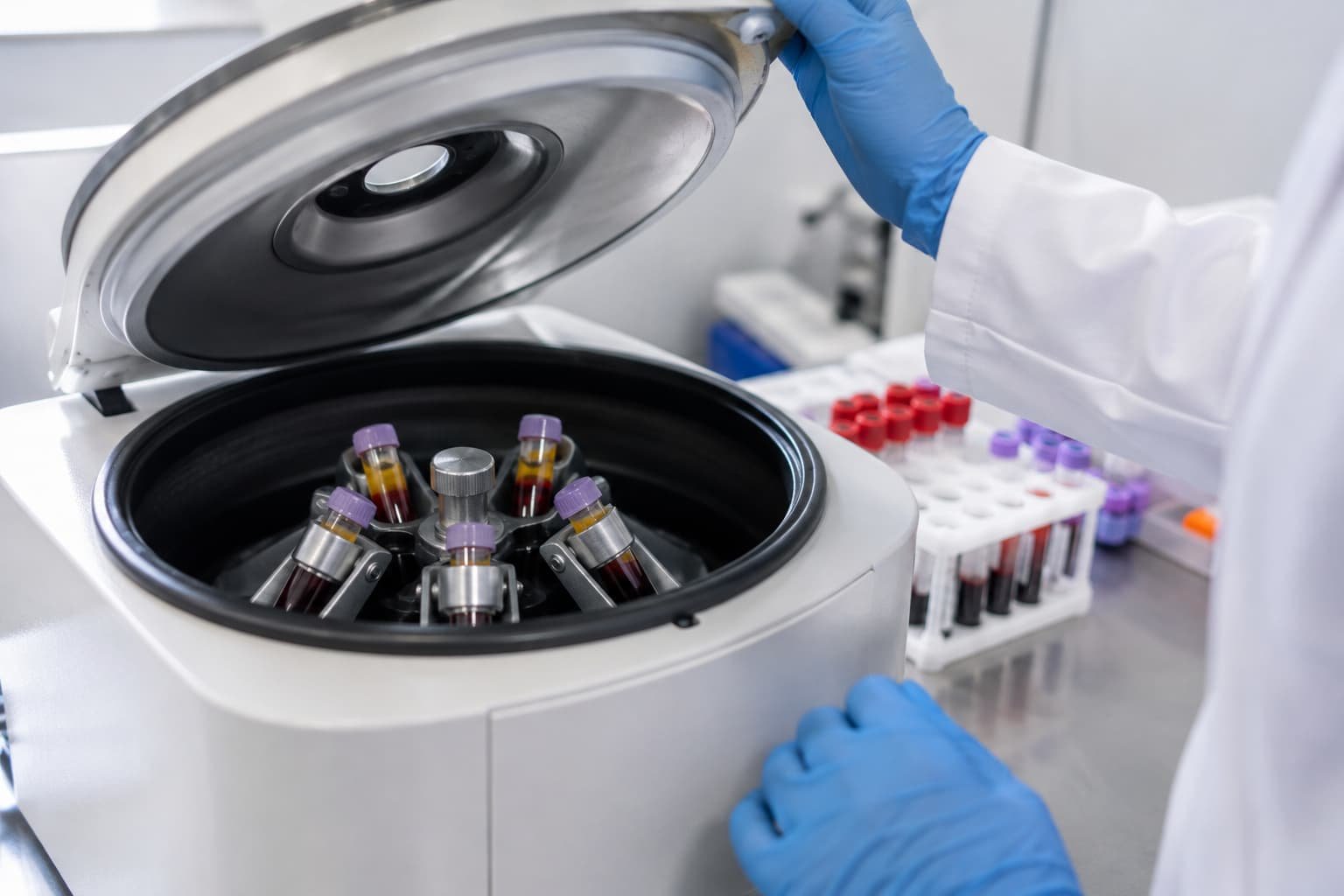
The P Shot, formally known as the Priapus Shot, uses a patient’s own blood. A clinician prepares platelet-rich plasma from this sample. A small blood sample comes from the arm first. A medical-grade centrifuge then separates platelets from red blood cells. The resulting concentrate contains growth factors that support tissue repair. A clinician injects this concentrate into targeted penile tissue using fine needles. Topical anaesthetic application precedes the injections.
Men researching penile injection growth therapy often ask a related question. Does the same P injection technique used for enlargement apply to ejaculatory concerns? Both procedures share equipment and general technique. Injection placement and clinical goal, however, differ considerably between the two applications.
Mechanism of Action
Platelet-rich plasma contains several key growth factors. These include platelet-derived growth factor and vascular endothelial growth factor. Transforming growth factor-beta also plays a role. These proteins support angiogenesis, the formation of new blood vessels. Collagen remodelling and nerve tissue maintenance follow a similar pathway. Proponents suggest this regenerative activity improves penile blood flow and tissue quality. This forms the theoretical basis for exploring PRP injections beyond erectile dysfunction alone.
P Shot for Premature Ejaculation: Examining the Evidence
The Proposed Link to Nerve Sensitivity
Some clinicians propose that PRP injections influence premature ejaculation through nerve sensitivity. The theory involves moderating nerve response across the glans and shaft. Growth factors such as epidermal growth factor support nerve fibre maintenance. Improved tissue quality could, in theory, recalibrate the ejaculatory reflex gradually. This differs from simply numbing sensation, the approach used by topical anaesthetic sprays. This mechanism currently remains a plausible hypothesis rather than a confirmed clinical outcome.
The Evidence Gap
No dedicated, peer-reviewed randomised controlled trial currently evaluates the P Shot for Premature Ejaculation as its primary outcome. This gap matters considerably for anyone weighing the treatment seriously. Most published research concerns PRP injections for erectile dysfunction. Ejaculatory timing specifically remains under-studied.
A 2021 randomised, double-blind, placebo-controlled trial appeared in the Journal of Sexual Medicine. It reported improved erectile function scores among men receiving PRP injections. Improvement held compared with placebo at six months. A 2023 randomised trial published in European Urology told a different story. It found smaller and less consistent benefits. This highlights inconsistency within the erectile dysfunction literature itself. Ejaculatory control and erectile function involve overlapping but distinct physiological pathways. Evidence for one condition cannot simply substitute for evidence regarding the other.
Professional Body Positions
Neither NICE nor the British Association of Urological Surgeons currently lists PRP among recommended treatments for premature ejaculation. European Association of Urology guidance on male sexual dysfunction likewise omits PRP. Both bodies cite insufficient trial data. This absence does not disprove a benefit. It does confirm, however, that the treatment remains an emerging, evidence-light option. Established clinical guidelines do not yet back it.
Who Might Consider This Treatment
Clinicians typically consider candidacy on a case-by-case basis rather than offering it universally. Certain men may represent a more suitable profile than others. Men who notice premature ejaculation worsening gradually fall into this group. Reduced penile sensitivity or mild erectile difficulty alongside this pattern strengthens candidacy. Men with lifelong premature ejaculation unrelated to tissue changes fit the profile less well. Age, general vascular health, and prior treatment history all factor into assessment. A candid pre-treatment discussion should always precede any decision to proceed.
Men who prefer a drug-free approach sometimes express interest in PRP for this reason. Preference for a non-pharmacological option, however, does not indicate that PRP will work. Clinicians should assess underlying causes thoroughly before recommending any regenerative injection. Expectations should align with the current evidence base rather than anecdotal reports.
Comparing Available Options
Behavioural techniques carry minimal cost and no physical risk. They require sustained practice and partner cooperation to succeed, however. Dapoxetine offers a licensed, evidence-backed pharmacological option. Some men experience mild nausea or dizziness as side effects. Topical anaesthetic creams reduce sensitivity quickly. They can also reduce sensation for a partner unless timed carefully. PRP injections offer a regenerative approach targeting tissue biology directly. Current trial evidence, however, remains limited to erectile dysfunction rather than premature ejaculation.
Cost also varies considerably across these options. Behavioural therapy and topical creams generally cost less per session than PRP. Dapoxetine requires an ongoing prescription cost over time. A single PRP session, by contrast, may last several months before repeat treatment becomes necessary. Weighing cost, evidence strength, and personal preference together produces a more informed decision.
Established Treatments for Premature Ejaculation
NHS and NICE Guidance
NHS clinical knowledge summaries recommend behavioural techniques as first-line management. These include the stop-start method and the squeeze technique. Both techniques train men to recognise and manage arousal before ejaculation occurs. NICE guidance also supports topical anaesthetic creams containing lidocaine or prilocaine. These creams reduce penile sensitivity and delay ejaculation for many men.
Dapoxetine and SSRIs
Dapoxetine remains the only medication licensed in the UK specifically for premature ejaculation. This short-acting selective serotonin reuptake inhibitor delays ejaculation through serotonin signalling. It works within the central nervous system. NICE and the electronic Medicines Compendium list dapoxetine as appropriate where premature ejaculation causes significant distress. Other SSRIs, prescribed off-label on a daily basis, produce a similar delaying effect for some men.
Behavioural and Psychosexual Therapy
Psychosexual counselling addresses anxiety, relationship dynamics, and learned patterns. All three factors can contribute to premature ejaculation. NHS primary care offers referral pathways to psychosexual therapists across the UK. Combining behavioural therapy with medication often produces stronger outcomes than either approach alone. Established sexual health guidance supports this combined approach.
Non-Surgical Treatment for Erectile Dysfunction in London
Men researching the P Shot for Premature Ejaculation frequently present with overlapping erectile dysfunction. Addressing erectile function often forms a sensible starting point. Anxiety about maintaining an erection commonly accelerates ejaculation. PRP-based regenerative therapy for ED has attracted growing clinical attention. It offers a natural ED treatment using PRP therapy that avoids daily medication.
Non-surgical treatment for erectile dysfunction in London now spans several approaches. PDE5 inhibitors such as sildenafil and tadalafil remain common first steps. Vacuum erection devices and low-intensity shockwave therapy offer additional options. PRP injections sit alongside these established choices. Erectile dysfunction treatment London providers increasingly combine these approaches. Each plan gets tailored to a man’s underlying cause. Where erectile dysfunction and premature ejaculation coexist, treating the erectile component may indirectly support ejaculatory confidence. Direct evidence that PRP independently changes ejaculatory timing, however, remains absent.
P Shot Treatment: What to Expect
The Procedure
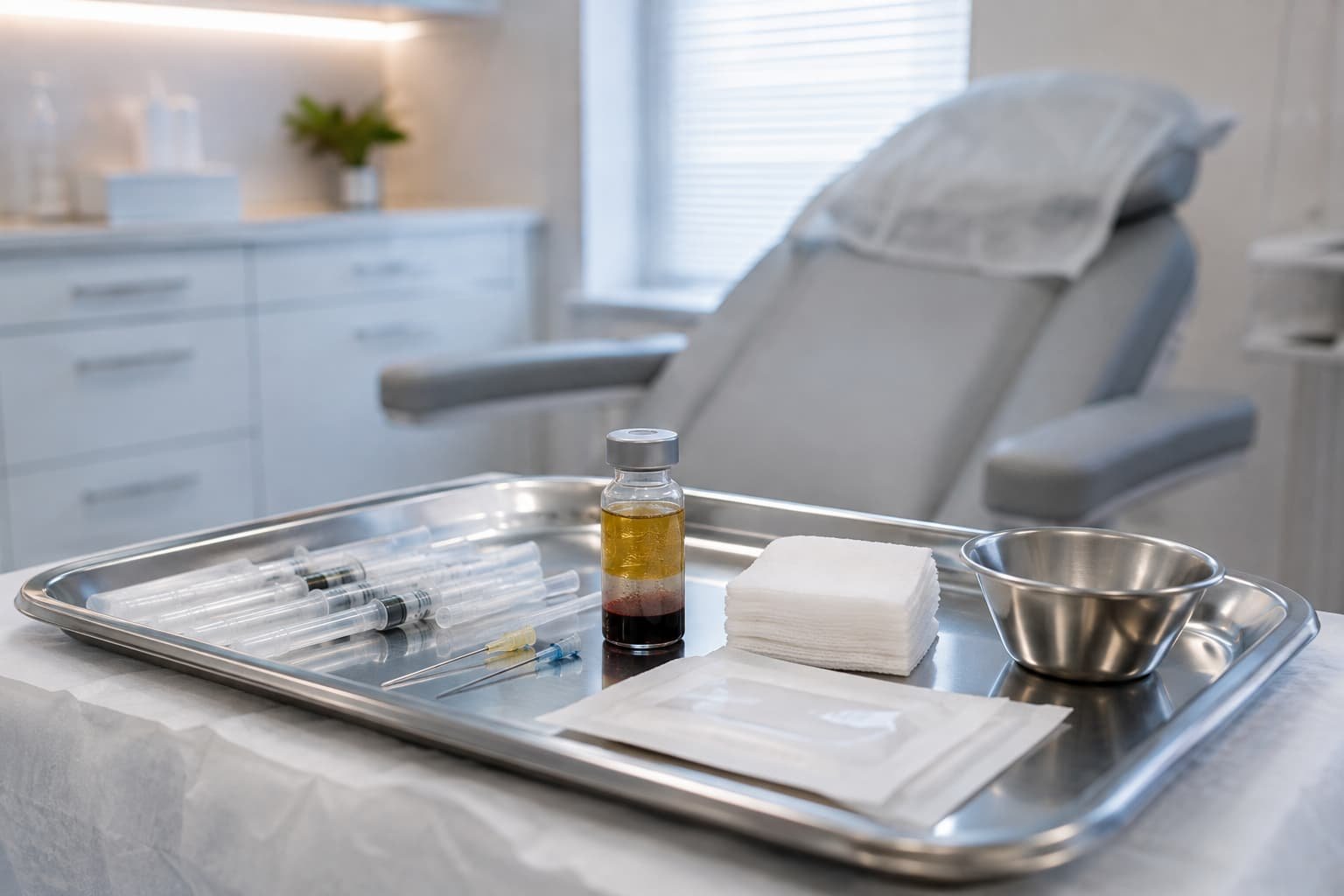
A P shot treatment session typically lasts between thirty and forty-five minutes. Clinicians apply topical anaesthetic cream first. Blood drawing and PRP processing follow next. Injections then use fine needles across several sites on the penile shaft and glans. Most men report mild pressure rather than significant pain. The treatment involves no general anaesthetic and no surgical incision.
Recovery and P Shot Before and After Expectations
Recovery from a P shot involves minimal downtime. Most men resume normal daily activities, including work and driving, on the same day. Clinics typically advise abstaining from sexual activity for four to five days. This allows injected tissue to settle properly. Regarding p shot before and after results, changes develop gradually over several weeks. Regenerative processes need this time to take effect. Results do not appear immediately after treatment. Photographs or testimonials claiming dramatic overnight transformation deserve scepticism. Biological tissue repair simply does not work that quickly.
Priapus Shot Price
Priapus shot price in the UK typically ranges from approximately £900 to £1,500 per session. The final figure depends on the clinic, practitioner experience, and any adjunct therapies. Shockwave treatment combined with PRP often sits at the higher end. Men comparing P shot UK options should request a detailed, itemised quote at consultation. Any follow-up appointments included in the price should be clarified upfront.
Safety Considerations and Limitations
Platelet-rich plasma therapy generally carries a favourable safety profile. It uses a patient’s own blood. This minimises the risk of allergic reaction or disease transmission associated with donor-derived products. Reported side effects include temporary bruising, swelling, and mild discomfort at injection sites. Serious complications remain rare when a trained, regulated clinician performs the procedure. Sterile technique remains essential throughout.
Limitations, however, deserve equal attention. Evidence supporting the P Shot for Premature Ejaculation remains preliminary, and individual results vary considerably. Men with primarily psychological premature ejaculation should not expect PRP alone to resolve the condition. The treatment targets physical tissue rather than anxiety or learned behavioural patterns. Reputable clinics exclude men with bleeding disorders and active infection before proceeding. Contraindications also include current anticoagulant use without medical clearance. Unrealistic expectations that one session resolves a complex condition should also prompt caution. Regulatory bodies including the Care Quality Commission inspect clinics offering these treatments. Prospective patients should verify registration status before booking any appointment.
Choosing a Provider for P Shot Treatment
Provider selection significantly affects both safety and outcome quality. Prospective patients should confirm CQC registration first. Full GMC registration for the treating clinician matters equally. Medical-grade centrifuge equipment should replace uncontrolled processing methods. Selecting a regulated Priapus shot London provider matters as much as the treatment itself.
A thorough consultation should include a candid discussion of the evidence gap. PRP should never appear as a guaranteed solution. Pshots clinic uk, a Harley Street clinic led by Dr Syed Nadeem Abbas, represents one example of a regulated London provider. It offers P shot London treatment alongside broader men’s sexual health assessment. Consultation-first approaches generally reflect sound clinical practice. A clinician should screen for underlying causes before recommending PRP.
Frequently Asked Questions
Does the P Shot for Premature Ejaculation guarantee results?
No treatment guarantees a specific outcome. Individual response depends on the underlying cause, tissue response, and overall health.
How does the P Shot for Premature Ejaculation differ from dapoxetine?
Dapoxetine works through the central nervous system and takes effect on demand. PRP aims to alter tissue biology gradually over several weeks. NICE-approved medication currently carries a stronger evidence base for premature ejaculation specifically.
Is the P Shot painful?
Most men describe mild pressure rather than significant pain. Topical anaesthetic application reduces discomfort considerably.
How much does the treatment cost?
Priapus shot price in the UK generally ranges from £900 to £1,500 per session. Cost varies by clinic and any additional therapies included.
How soon do results appear after a P shot?
Meaningful changes typically develop over four to twelve weeks. This follows normal tissue repair timelines, according to reported p shot before and after case observations.
Can premature ejaculation and erectile dysfunction be treated together?
Yes. Many clinics assess both conditions simultaneously. Erectile difficulties frequently contribute to premature ejaculation.
Key Takeaways
Current evidence positions the P Shot for Premature Ejaculation as a biologically plausible but clinically unproven option. Growth factors within platelet-rich plasma support tissue repair and blood vessel formation. This offers a reasonable theoretical basis for exploring PRP in men with ejaculatory concerns. No dedicated randomised controlled trial has yet confirmed this specific benefit, however. Established NHS and NICE-endorsed treatments retain a considerably stronger evidence base. Dapoxetine and behavioural therapy remain the better-supported starting points for most men.
Men considering this treatment deserve a transparent consultation that separates established science from emerging theory. A qualified clinician should discuss realistic outcomes, cost, and alternative options first. This discussion should happen before any injection takes place. Given the current evidence gap, a genuine question remains. Should men prioritise treatments already backed by trial data? Or does emerging regenerative science offer reason enough to consider this option now?
Read more: PRP Centrifuge Process: How Platelets Are Separated for P-Shot Treatment
Best Age for P Shot: Is There an Ideal Time to Start Treatment?
Dr Syed Nadeem Abbas, MBBS, MRCSEd, MSc Aesthetic Plastic Surgery (Distinction) Medical Director, Pshot Clinic | CQC Regulated | Monday to Saturday 10:00–18:00 +44 7955 836986


