P-Shot Pain: Does the P-Shot Hurt? Numbing and Comfort Options

✅Medically reviewed | Updated September 2026
A needle near the penis triggers an instant reaction. Almost every man who considers platelet-rich plasma (PRP) treatment asks one blunt question first. How much will this hurt?
P-Shot pain worries men more than cost, results or recovery time. The concern makes sense. The penis holds a dense network of sensory nerves, and the glans reacts to the lightest touch. An injection in that region deserves a clear explanation, not a quick reassurance.
The honest starting point is simple: the main randomised trials of this procedure do not report pain scores. Many websites answer with phrases such as “not really” or “just a pinch”. Those phrases sound comforting. They contain no measurable data.
This article reviews the evidence on P-Shot pain. It describes what patients typically feel at each stage. It also explains the common numbing options. The sources include NHS guidance, NICE Clinical Knowledge Summaries, European Association of Urology (EAU) guidelines and peer-reviewed trials. The article also separates comfort from effectiveness. A comfortable procedure does not guarantee a useful result.
Many men search for P Shot London options, P shot UK providers or a priapus shot price. Few ask the questions that matter most. What does the procedure feel like? Which anaesthetic does the clinic use? What happens if discomfort rises mid-treatment? The sections below answer each question.
What Is the P-Shot?
The P-Shot is a form of platelet-rich plasma therapy. Clinics also use the names priapus shot, Pshot, p injection and, informally, penis shot. Each term describes the same basic procedure.
The procedure follows four steps. A clinician draws a small blood sample from the arm. A centrifuge spins the sample to concentrate platelets. The clinician then injects the resulting PRP into penile tissue. Platelets release growth factors, and researchers believe those factors support tissue repair.
The repair mechanism remains a hypothesis in men, not a proven effect. A later section reviews the trial evidence in detail.
Appointment length varies between clinics. Numbing and centrifugation usually take longer than the injection itself. A P shot treatment therefore involves waiting time, not continuous discomfort.
Does the P-Shot Hurt? What Research Says About P-Shot Pain
What Clinical Trials Report
Randomised trials of PRP for erectile dysfunction report adverse events, not pain scores. Poulios and colleagues treated 60 men with two PRP injections in a 2021 Journal of Sexual Medicine trial. The authors reported no adverse events. Masterson and colleagues randomised 61 men in a 2023 Journal of Urology trial. That trial recorded no major adverse events and one minor event in each group.
These findings suggest that serious complications are uncommon. They do not measure discomfort. The trials reviewed here do not report standard pain scores for the injection itself. Any precise claim about the percentage of men who feel nothing therefore lacks a scientific basis. Careful clinicians describe expected sensations and avoid promising a pain-free experience.
Why the Penis Reacts Strongly to Injections
The penis carries a rich supply of sensory nerve endings. The dorsal nerve of the penis relays sensation from the skin and glans to the spinal cord. Sensitivity peaks at the glans and stays high along the shaft.
PRP injections usually target the erectile tissue of the shaft. Some protocols also include the glans. Injections near the glans may feel sharper because of that dense nerve supply. Individual anatomy, injection depth and needle technique also shape sensation.
Where P-Shot Discomfort Arises
Discomfort arises at three points. Each point has a different cause and a different remedy.
The Blood Draw
The blood draw resembles any standard venepuncture. A brief scratch occurs at the arm, and the sensation fades within seconds. The arm has far less dense sensory innervation than the glans, so this stage usually causes little concern.
The Numbing Stage
Where a clinic uses anaesthetic injections, this stage causes the sharpest moment. The solution stings or burns briefly as it enters tissue. NHS guidance notes that patients may feel some discomfort when a local anaesthetic injection goes in. A warm tingle then follows as numbness develops.
The PRP Infusion
Numbing removes pain signals but not every sensation. NHS guidance states that patients may still feel pressure or movement after a local anaesthetic. PRP infusion typically produces pressure, fullness or tightness as fluid enters tissue.
Volumes vary between clinics. The 2021 Poulios trial used 10 mL of PRP per session, which can create noticeable fullness. Pressure differs from pain, and a well-numbed patient should report pressure rather than sharp pain. Patients who feel sharp pain during infusion should tell the clinician immediately. The clinician can pause, check the area and add anaesthetic.
Numbing Options for the P-Shot
Anaesthetic choice is the largest modifiable factor in P-Shot pain. Options range from surface creams to regional nerve blocks. Clinics select an approach according to protocol, training and patient preference.
Topical Anaesthetic Cream
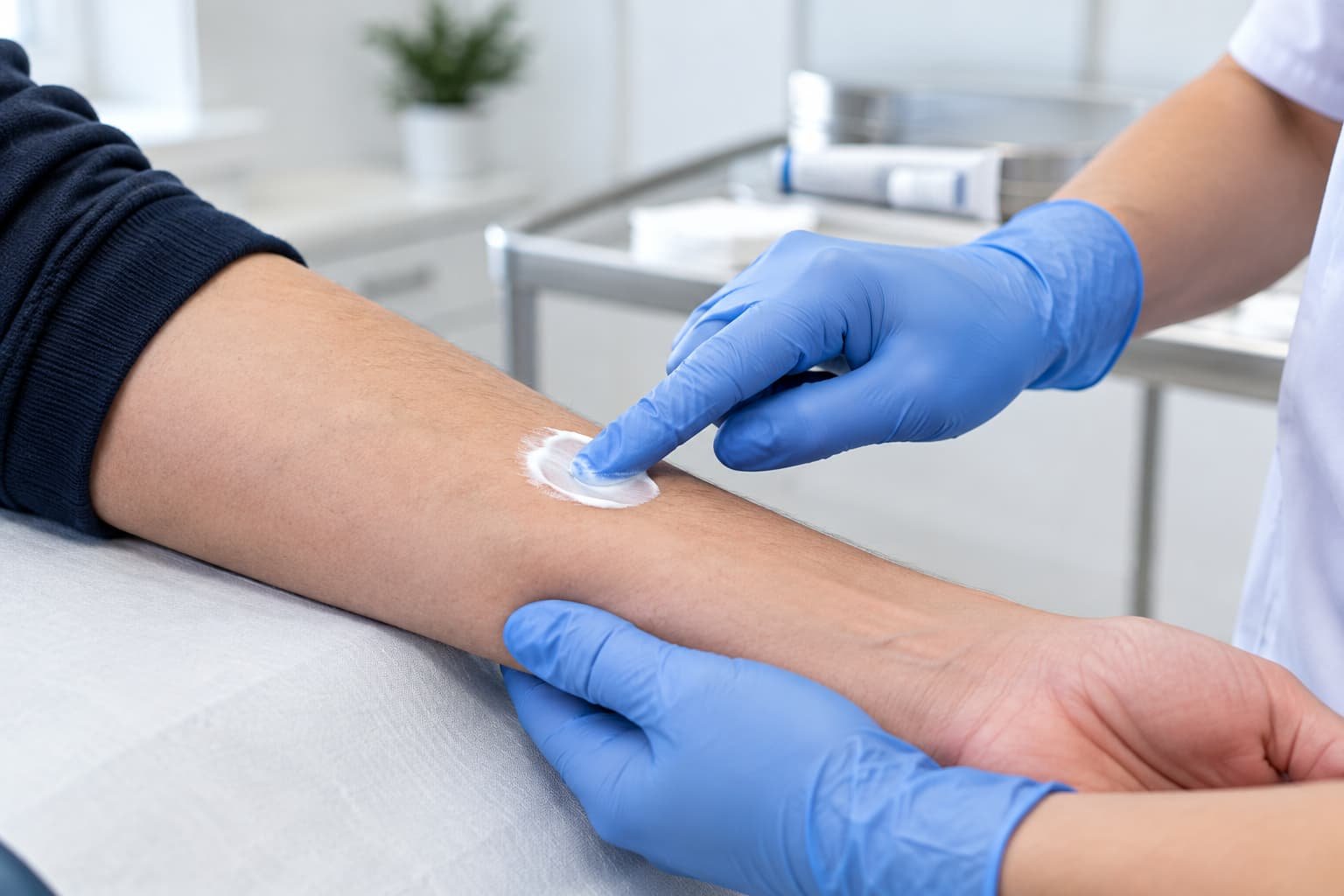
Lidocaine-prilocaine cream is a common example. A clinician applies the cream to penile skin and waits for the effect. Application times differ between products, so clinics follow the manufacturer’s instructions.
Cream offers a needle-free first step. It suits men with mild anxiety or low pain sensitivity. However, cream acts mainly on surface nerve endings. Deeper tissue may still register the needle.
Some paediatric circumcision studies support this limitation. Those studies found that a dorsal penile nerve block gave better pain relief than cream alone. Circumcision differs from PRP injection, so the findings offer only indirect guidance.
Local Anaesthetic Injection
A clinician injects lidocaine or a similar agent beneath the skin near the treatment area. The needle is small, yet the injection still stings for several seconds. Some clinics combine cream with a small-needle injection to reduce that sting.
NHS guidance says numbness normally develops within a few minutes. Sensation returns a few hours later. Patients should move carefully until feeling returns.
Dorsal Penile Nerve Block and Ring Block
A dorsal penile nerve block places anaesthetic near the dorsal nerves at the base of the penis. A ring block places anaesthetic in a band around the base. Both techniques numb a wider area than cream or a single skin injection.
Urologists use these techniques for circumcision and other penile procedures. The block itself requires a needle, and incomplete blocks occur. A 2024 trial paper cited incomplete blocks in up to 13% of earlier cases. Complete failures reached up to 7%. Nerve blocks also demand anatomical knowledge and training. Practice varies between clinics, so patients should ask which technique the clinic uses.
Confirming Numbness Before the Injection
Numbing needs time to work. Starting before the anaesthetic takes effect increases discomfort. NHS guidance states that the treating clinician checks the area is numb before starting treatment. Patients can ask the clinician to test sensation first. Patients can also request a pause if any sensation feels sharp.
Additional Comfort Measures
- Using a slower injection speed may reduce pressure sensations.
- When lying flat, patients may have a lower chance of dizziness or fainting.
- Controlled breathing or gentle distraction can help ease anxiety.
- A warm, private room can create a more relaxed environment.
- Before each step, a clear explanation can reduce uncertainty and help the patient feel more comfortable.
Sedation exists as a separate option. NHS guidance describes sedation as leaving the patient awake but drowsy. Sedation adds risk and monitoring needs, so suitability depends on the clinical setting.
Safety Checks Before Numbing
A clinician should review allergy history before applying any anaesthetic. NHS guidance describes allergic reactions to local anaesthetic as very rare. Prilocaine also requires caution in patients with methaemoglobinaemia, a rare blood condition. Patients should disclose all allergies and medical conditions at consultation.
What Patients Feel After the P-Shot
Numbness fades within a few hours, according to NHS guidance. A tingling sensation often marks the return of feeling. Some patients then notice soreness, swelling or bruising at injection sites. NHS guidance lists minor bruising, bleeding and soreness as possible effects of local anaesthetic injections.
Clinics usually advise simple analgesia, such as paracetamol, if soreness develops. Some clinicians also advise avoiding non-steroidal anti-inflammatory drugs (NSAIDs), such as ibuprofen, around treatment. Those drugs may affect platelet function and bruising. Patients should follow the written advice from the treating clinic.
Clinicians expect mild soreness. Severe, worsening or unusual pain signals a problem. Patients should seek prompt medical advice for any of these signs:
Severe or steadily worsening pain
A fever or chills
Redness, warmth, or discharge that begins to spread
Swelling that increases rapidly in size
A painful erection that lasts for more than four hours
A painful erection lasting over four hours needs emergency care. NHS 111 or an emergency department can advise.
P-Shot Pain Compared With Other Penile Injections
Intracavernosal alprostadil offers a reference point. A 1996 New England Journal of Medicine study followed 683 men. Penile pain occurred in 50% of men at some point. Pain followed only 11% of injections, and the pain was usually mild.
Alprostadil is a vasoactive drug that produces its own sensations, so the comparison has limits. The reviewed literature contains no direct comparison with PRP. Even so, penile injection pain in a well-studied treatment proved usually mild and intermittent.
What Influences P-Shot Pain?
Several factors explain why experiences differ between patients:
- Individual pain sensitivity can vary considerably from person to person.
- Anxiety and apprehension may increase perceived pain during medical procedures.
- Previous experiences with needles can influence expectations and how sensations are perceived.
- The injection site, depth, and volume can all affect the level of discomfort.
- The type, dose, and timing of anaesthetic may influence the effectiveness and duration of numbness.
- Clinician experience and injection technique can also affect how the surrounding tissue responds.
Anxiety deserves particular attention. A thorough consultation reduces uncertainty, and reduced uncertainty often lowers anxiety.
Realistic Outcomes: Comfort Does Not Equal Effectiveness
A comfortable procedure still needs a worthwhile result. The evidence for PRP in erectile dysfunction remains mixed.
Poulios and colleagues reported a clinically important improvement at six months in 69% of PRP recipients. The placebo group reached 27%. Masterson and colleagues found no difference. At one month, 58.3% with PRP and 53.6% with placebo reached that threshold (P = 0.730). A 2024 trial by Ragheb and colleagues studied 52 men. Erectile function scores showed no significant difference at one, three or six months.
EAU guidelines describe PRP for erectile dysfunction as an investigational option. NICE Clinical Knowledge Summaries place phosphodiesterase type 5 (PDE5) inhibitors first in the treatment pathway. Mixed trial results mean patients should weigh the modest evidence against cost and effort, not comfort alone.
P Shot Before and After Images
P shot before and after photographs appear widely online. Photographs cannot separate treatment effect from lighting, arousal state, camera angle or placebo response. P-shot before and after claims therefore carry limited scientific weight.
Size Claims and Cost
PRP does not act as a size treatment. No reliable trial shows penile injection growth after PRP. Searches for male enlargement injections cost uk often return prices for unrelated filler procedures, which carry different risks.
Published UK clinic listings commonly show a priapus shot price between £900 and £1,500 per session. Price varies with the clinic, the PRP kit, the depth of consultation and the anaesthetic approach.
Choosing a Clinic and Preparing for the Appointment
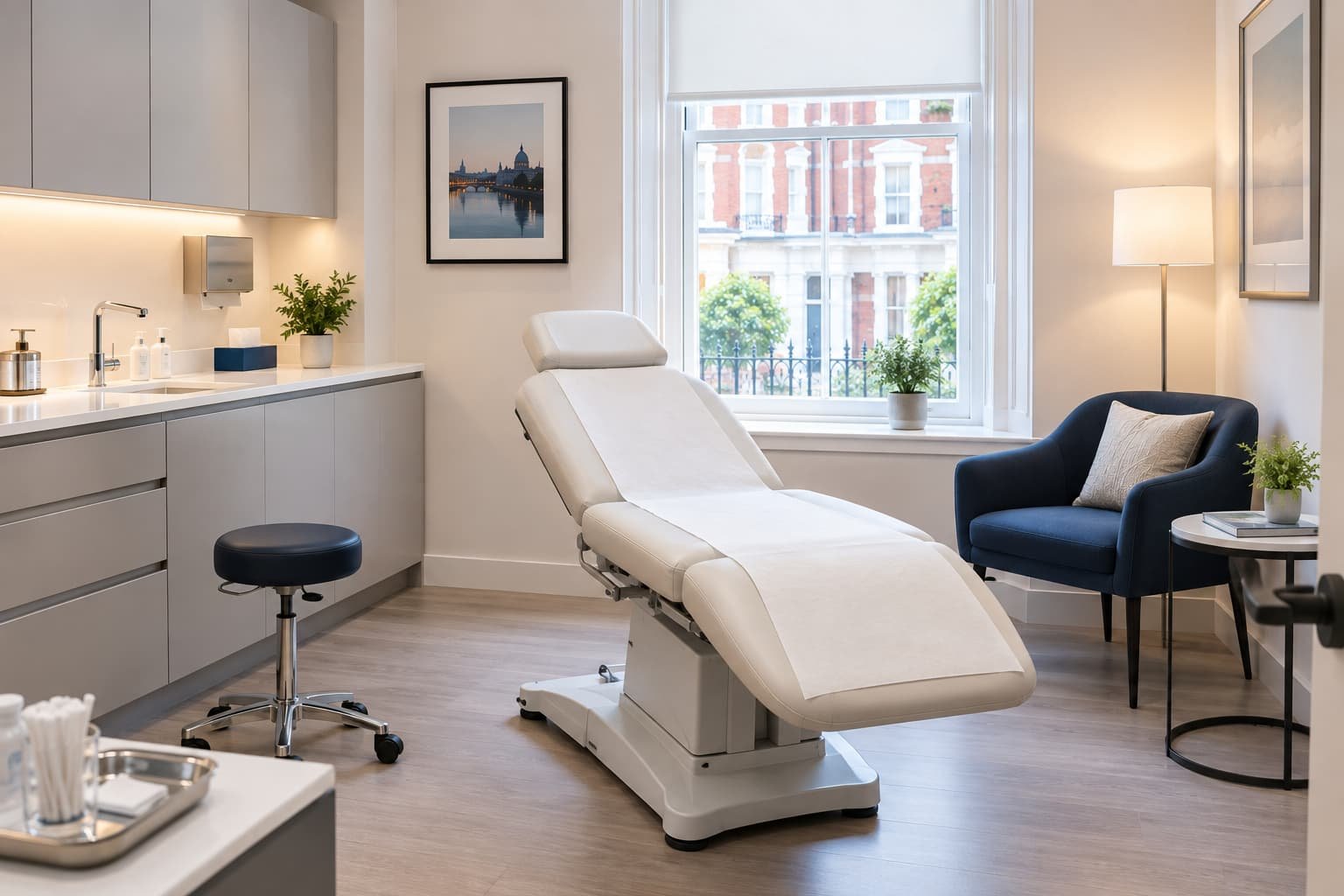
Patients comparing P shot UK providers can verify several points before booking:
- Whether the practitioner is registered with the General Medical Council (GMC).
- Where applicable, confirm that the clinic is registered with the Care Quality Commission (CQC).
- Ask about the written anaesthetic protocol and why it is used.
- Find out which PRP preparation kit is used and how the centrifuge process is carried out.
- Review the written consent process, including the potential risks and limitations.
- Make sure an appropriate aftercare plan is provided, along with an out-of-hours contact route.
Pshots clinic uk is a private clinic on Harley Street in Marylebone, London. Dr Syed Nadeem Abbas leads the clinic. Listed qualifications include MBBS, MRCS (RCS Edinburgh) and MRCGP. An MSc in Aesthetic Plastic Surgery with Distinction from Queen Mary University of London also appears. Training took place at Cambridge, Oxford and the Royal London Hospital. Patients can check any practitioner’s registration on the GMC register.
Preparation is simple. Patients should disclose all medicines, including anticoagulants, anti-inflammatory drugs and supplements. Clinics commonly advise eating normally and staying hydrated beforehand. Patients should apply numbing cream only when the clinic gives specific instructions.
Frequently Asked Questions About P-Shot Pain
Does the P-Shot hurt more than a blood test?
The sensations differ. A blood draw causes a brief scratch at the arm. The injection stage typically causes pressure or fullness once numbing takes effect. Individual pain sensitivity and the anaesthetic method decide the overall experience.
How long does P-Shot pain last after treatment?
Numbness fades within a few hours, according to NHS guidance on local anaesthesia. Mild soreness or tenderness typically settles within days. Persistent or worsening pain needs prompt medical review.
Can the P-Shot take place without numbing?
Some men decline anaesthesia, but clinical practice generally includes numbing. Without numbing, needle insertion and PRP infusion may cause significant pain and involuntary movement. A clinician can explain the safest approach after assessment.
Are numbing creams and injections safe?
NHS guidance describes local anaesthetics as generally safe, with very rare serious side effects. Patients with an anaesthetic allergy or methaemoglobinaemia must inform the clinician before any application.
Does more pain mean better results?
No evidence links pain intensity with treatment response. Outcomes depend on patient selection, the cause of erectile dysfunction and study design. Pain does not signal effectiveness.
Does the NHS offer the P-Shot?
The NHS does not routinely offer PRP for erectile dysfunction. NICE Clinical Knowledge Summaries direct clinicians to lifestyle measures, cause assessment and PDE5 inhibitors first. Patients can discuss options with a GP.
Key Takeaways
P-Shot pain is real but usually manageable. The procedure combines a blood draw, numbing and injections into a highly sensitive area. Sensations range from a brief sting to pressure and fullness. Cream, local injection and nerve block options each reduce discomfort in different ways. Effective numbing depends on the chosen technique, the operator’s skill and honest communication during treatment.
Comfort remains only one part of the decision. Trial evidence for PRP in erectile dysfunction stays mixed, and guidelines treat the procedure as investigational. Cost adds a further consideration. Informed consent should cover evidence, limitations, anaesthetic plans and alternatives. Patients who understand these points decide with confidence, whichever direction the decision takes.
If painless treatment were certain, would the current evidence alone justify choosing the procedure?
Read more: Penile Numbness vs Erectile Dysfunction: What’s the Difference?
P-Shot for Sensitivity vs ED: Does It Work Differently?
Dr Syed Nadeem Abbas, MBBS, MRCSEd, MSc Aesthetic Plastic Surgery (Distinction) Medical Director, Pshot Clinic | CQC Regulated | Monday to Saturday 10:00–18:00 +44 7955 836986