P-Shot Success Rate by Age: Do Results Differ in Your 40s, 50s and 60s?

✅Medically reviewed | Updated September 2026
A single question dominates searches from midlife men researching regenerative sexual health treatments: does the P-Shot success rate decline with age. The honest answer resists a simple percentage. Age contributes to erectile changes, yet vascular health, diabetes control, medication history and daily habits shape outcomes far more than a date of birth. A man in his sixties with well-managed blood pressure may respond better than a man in his forties carrying untreated cardiovascular risk factors. This article separates two questions that many competitor pages blur together: what genuinely changes with age, and what changes because of underlying health. Evidence from peer-reviewed trials, NHS and NICE-aligned guidance, and established clinical patterns forms the basis for the analysis below.
Understanding P-Shot Outcomes: What the Evidence Actually Shows
The Priapus Shot, widely shortened to the P-Shot or Pshot in patient searches, uses platelet-rich plasma drawn from a man’s own blood. Growth factors within the plasma target penile tissue after concentration through a centrifuge. Marketing materials sometimes quote a single success figure as though outcomes apply uniformly to every patient. Clinical evidence does not support that approach.
A randomised, double-blind, placebo-controlled trial appeared in the Journal of Sexual Medicine (Poulios et al., 2021). It recorded a statistically significant improvement in erectile function scores at six months among men receiving PRP, compared with placebo. A separate trial published in European Urology in 2023 produced more modest, mixed findings. This underlines cautions from the National Institute for Health and Care Excellence (NICE). NICE still classes platelet-rich plasma as an emerging therapy, not a guideline-endorsed first-line treatment for erectile dysfunction.
The P-Shot success rate, therefore, reflects a range of clinical responses rather than one fixed outcome, and age forms only one variable within that range. Trial populations also skew toward men with mild to moderate vascular-related dysfunction, a detail that limits how confidently results generalise to more complex cases.
Erectile Dysfunction Across the Decades: 40s, 50s and 60s
Erectile dysfunction prevalence rises with age at population level. Analysis of National Health and Nutrition Examination Survey data found erectile dysfunction affecting roughly 5 per cent of men aged 20 to 40. The same data found erectile dysfunction in around 70 per cent of men aged 70 and older. That trend does not mean the P-Shot success rate falls in a straight line alongside it. Prevalence measures how often erectile dysfunction occurs, not how well any single treatment performs once it does.
Two men of identical age can present with entirely different erectile health. One may be shaped by decades of good cardiovascular care, the other by neglect. A decade-by-decade overview should therefore be read as general context, not individual prediction.
Men in Their 40s
Erectile difficulty during the forties frequently stems from early vascular changes, rising blood pressure, weight gain, and stress-related hormonal shifts. Many men in this decade retain strong baseline blood flow and healthy erectile tissue, conditions that typically support a favourable P-Shot success rate. Lifestyle-driven erectile dysfunction, rather than structural tissue damage, dominates this age group.
Men in Their 50s
The fifties often introduce measurable vascular decline, borderline cholesterol readings, and the first diagnosis of type 2 diabetes for some patients. Erectile dysfunction becomes more consistently physical rather than purely psychological. Many men in this decade have also spent years on antihypertensive or cholesterol-lowering medication, some of which carries a recognised link to reduced erectile function. Men in this decade show varied outcomes, and health status typically predicts response better than age itself.
Men in Their 60s
Vascular disease, established diabetes, prostate-related changes and long-term medication use become more common by the sixties. Blood vessel elasticity reduces with age, and nerve sensitivity can decline gradually. Some men in this decade are also recovering from prostate surgery or radiotherapy, which can affect nerve pathways separately from general age-related change.
Despite these factors, well-managed men in their sixties frequently achieve meaningful improvement, and clinical experience across UK regenerative clinics does not support writing off older patients on age grounds alone.
Why Age Alone Does Not Determine Outcome
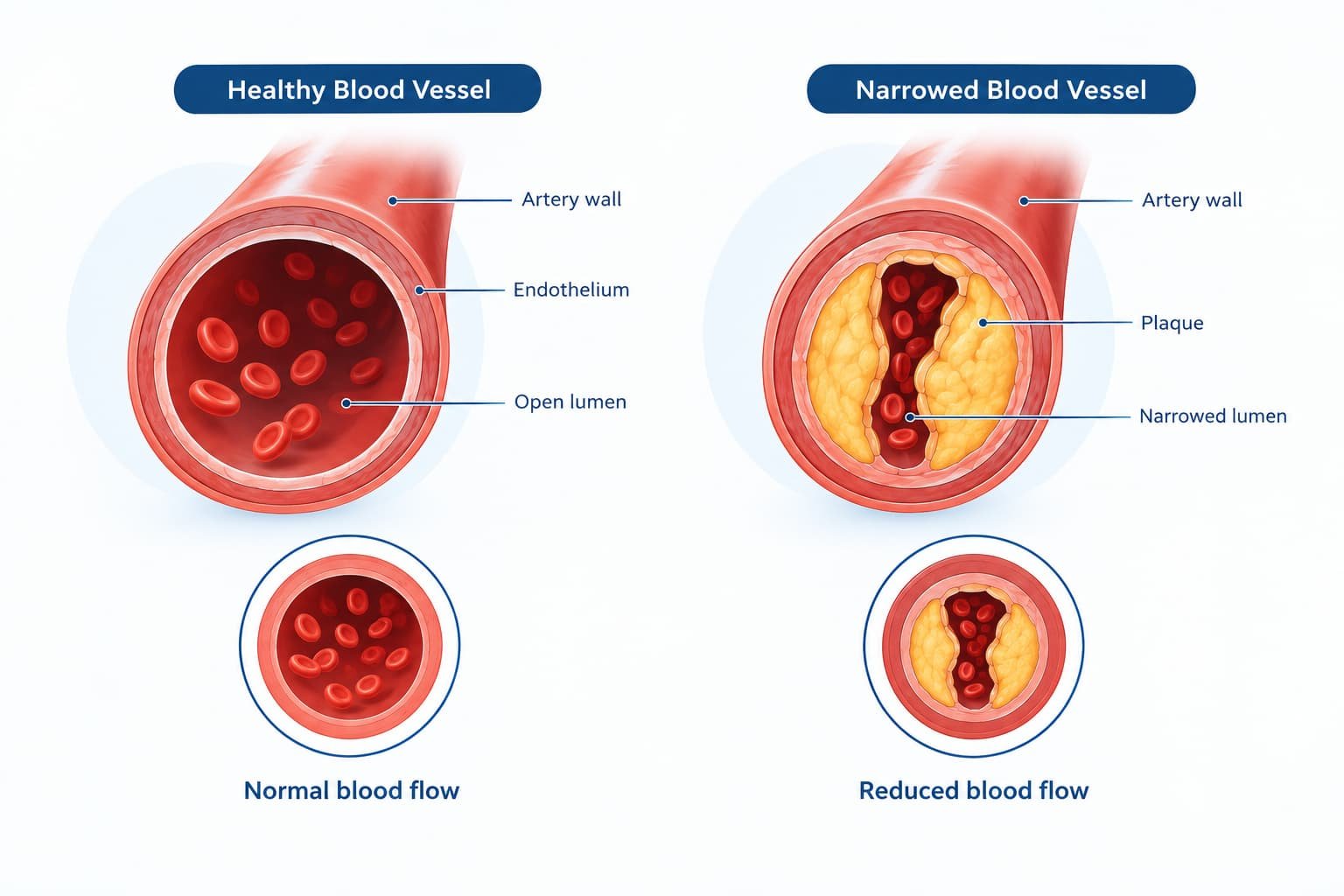
Chronological age correlates with several risk factors relevant to erectile function, yet correlation does not equal causation. The factors below influence individual outcomes more directly than age.
Vascular Health and Blood Flow
Erections depend on healthy blood flow into the corpora cavernosa. Atherosclerosis, hypertension and elevated cholesterol restrict that flow regardless of a patient’s age band. A fit, active 65-year-old with clean arteries commonly outperforms an unfit, sedentary 45-year-old with early vascular disease. Angiogenesis, the formation of new blood vessels, drives much of the biological benefit attributed to platelet-rich plasma. Baseline vascular capacity therefore shapes the P-Shot success rate strongly for any individual patient.
Diabetes and Metabolic Factors
Diabetes stands among the strongest predictors of erectile dysfunction severity at any age. The Massachusetts Male Aging Study found diabetes tripled the age-adjusted risk of complete erectile dysfunction, while treated heart disease quadrupled that risk. NHANES data recorded erectile dysfunction prevalence above 51 per cent among men with diabetes, compared with roughly 18 per cent across the general male population. Poorly controlled blood sugar damages both blood vessels and nerves supplying the penis. This process, called diabetic neuropathy, can blunt the regenerative response that platelet-rich plasma aims to trigger.
Medication Effects
Certain medications reduce erectile function independently of age. Beta-blockers, some diuretics, and specific antidepressants carry recognised associations with erectile difficulty. Men managing these prescriptions alongside erectile dysfunction may see a more gradual improvement, since medication effects continue acting on the same vascular and nervous pathways that PRP targets.
Lifestyle Factors
Smoking damages blood vessel linings and directly reduces blood flow. Excess alcohol consumption, poor sleep and low physical activity compound vascular strain. Men who address these factors alongside treatment typically support a stronger, more durable outcome than those who continue high-risk habits unchanged. Weight management also matters, since excess abdominal fat is independently linked with lower testosterone and reduced vascular function.
Underlying Cause of Erectile Dysfunction
Vascular-driven erectile dysfunction generally responds most consistently to PRP therapy. Psychological, purely hormonal, or severe structural causes, including advanced Peyronie’s disease or extensive post-surgical nerve damage, often need a broader treatment plan. Identifying the underlying cause during consultation matters more than counting a patient’s age in years.
The Clinical Evidence Behind the P-Shot
Regenerative use of platelet-rich plasma originated in orthopaedic and wound-care medicine before extending into men’s sexual health. The 2021 Journal of Sexual Medicine trial remains the most frequently cited randomised evidence supporting a measurable P-Shot success rate at six months. The 2023 European Urology trial reported smaller average gains, a reminder that platelet-rich plasma research for erectile dysfunction continues developing rather than sitting fully settled. NICE clinical knowledge summaries on erectile dysfunction do not currently list PRP injections among first-line recommended treatments. Phosphodiesterase type 5 inhibitors, lifestyle modification and psychological support remain the established first steps. Patients considering the P-Shot benefit from viewing it as a complementary regenerative option rather than a guaranteed universal fix.
What Happens During P Shot Treatment
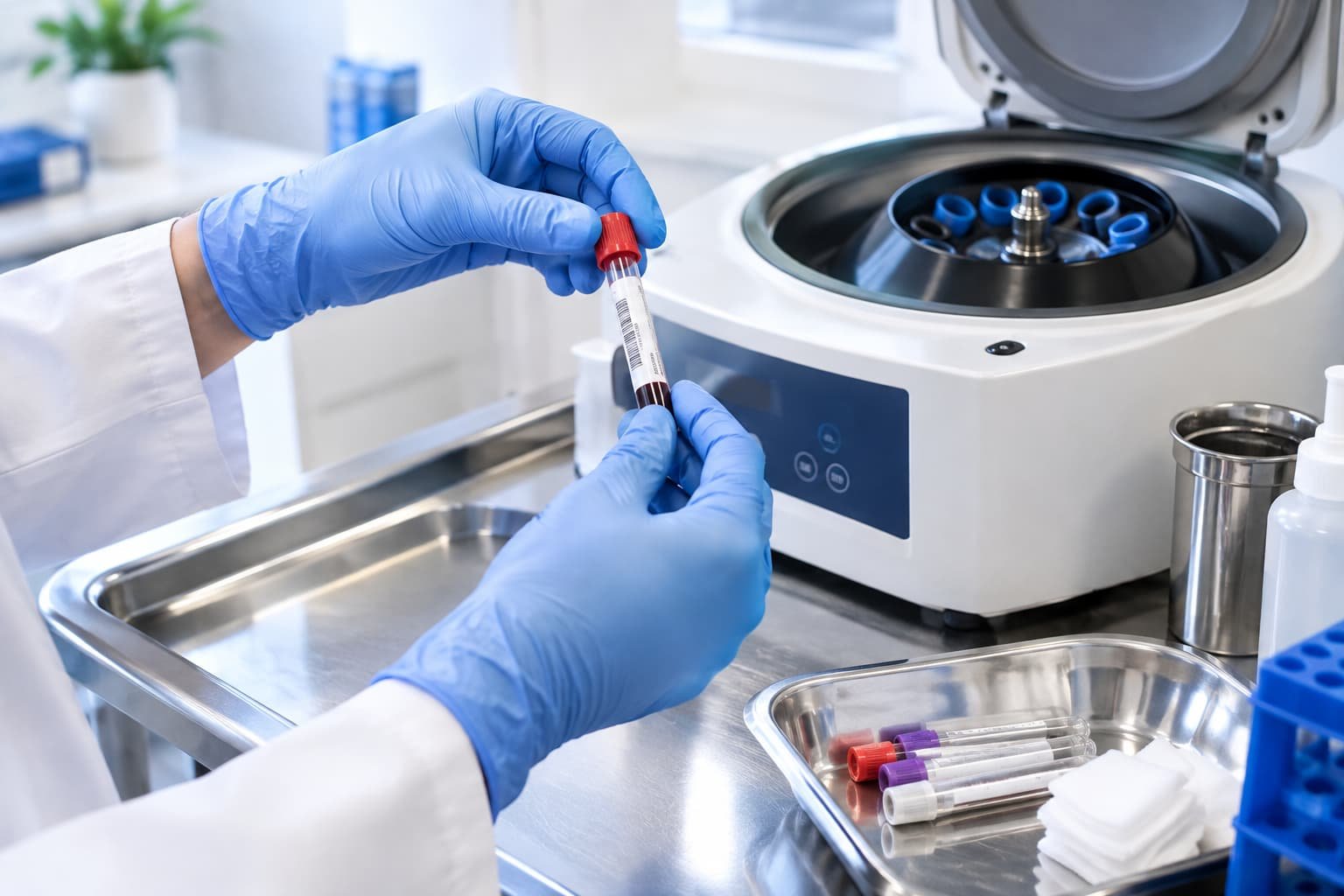
A standard P shot treatment session lasts approximately 30 to 45 minutes. Blood is drawn from the arm and processed through a centrifuge to separate platelet-rich plasma from other blood components. Topical anaesthetic cream, sometimes combined with a nerve block, numbs the treatment area beforehand. The concentrated plasma is then injected across several precise sites within the penile shaft and glans. Patients typically resume normal activity the same day, with mild swelling or tenderness resolving within 48 hours. Clinics generally schedule a follow-up review around six to twelve weeks after the initial p injection to assess progress and discuss whether a repeat session would help.
Does a Second Session Improve the P-Shot Success Rate?
Some men see meaningful change after one session, while others benefit from a repeat treatment three to twelve months later. Clinical experience suggests that men with more established vascular disease sometimes need a second round to achieve the same relative improvement seen in healthier patients after a single visit. Annual maintenance sessions are common practice rather than a sign that the first treatment failed.
Comparing the P-Shot to Other ED Treatment Options
Phosphodiesterase type 5 inhibitors, including sildenafil and tadalafil, remain the NICE-recommended first-line option for most men. Each dose acts for roughly four to six hours. Alprostadil injections, such as Caverject, produce a more immediate mechanical erection but do not carry the same regenerative, tissue-repair aim as PRP. Vacuum erection devices offer a drug-free mechanical option with no injection involved. Penile implant surgery addresses severe cases but involves a hospital procedure and several weeks of recovery.
The P-Shot occupies a distinct middle position. It is a single autologous injection aimed at gradual tissue and vascular improvement, without surgical downtime or the recurring cost of daily medication.
Realistic P Shot Before and After Expectations
Reviewing P shot before and after material helps set realistic expectations, though photographs cannot capture internal vascular change or sensitivity improvement. Early changes may appear within two to four weeks, while fuller results generally develop across eight to twelve weeks as new blood vessels form.
Claims describing dramatic penile enlargement growth misrepresent the treatment’s actual mechanism. The P-Shot targets function, sensitivity and blood flow rather than delivering guaranteed size increase, and any penile injection growth claim should be treated with appropriate scepticism until supported by controlled clinical data.
Priapus Shot Price in London
Priapus shot price in the UK commonly ranges between £900 and £1,500 per session. The figure depends on clinic location, PRP processing method, and whether shockwave therapy or extra follow-up reviews are included. Male enlargement injections cost UK-wide varies for similar reasons, and transparent, itemised pricing remains a reasonable expectation before booking any p injection procedure.
Who Responds Best Across Age Groups
Favourable candidates across the 40s, 50s and 60s typically share several features rather than a shared birth decade. Mild to moderate vascular-related erectile dysfunction, controlled blood pressure, well-managed diabetes, and limited smoking history all support stronger outcomes. Men who have not responded fully to phosphodiesterase type 5 inhibitors, or who prefer to avoid ongoing medication, often explore this route across all three decades discussed here.
Realistic expectations also matter as much as physical health. Men who understand the gradual, biologically driven nature of PRP tend to report higher satisfaction than those expecting an immediate, dramatic change comparable to oral medication.
Safety, Limitations and When to Think Twice
Platelet-rich plasma therapy is not appropriate for men with active genital infection, untreated bleeding disorders, or platelet dysfunction. Anticoagulant medication requires medical clearance beforehand. Advanced Peyronie’s disease, active pelvic cancer treatment, and known local anaesthetic allergy also warrant caution. Mild bruising, localised swelling and temporary tenderness represent the most commonly reported side effects, and these typically settle within a few days without further intervention.
A thorough consultation, rather than an age cut-off, should guide suitability decisions. A responsible clinic should be willing to decline treatment where the underlying cause needs a different approach first.
Choosing a Provider for P Shot London
Provider experience influences outcomes as strongly as patient factors. PRP processing quality varies between a single-spin and a dual-spin centrifuge protocol, and platelet concentration affects how much growth factor activity reaches the treated tissue. Injection technique and precise site selection also differ between practitioners, which can influence both comfort and outcome. A properly regulated clinic performing the p shot london procedure should offer transparent pricing, a doctor-led consultation, and clear aftercare guidance. Registration with the Care Quality Commission applies where the clinic operates in England. Pshots clinic UK, led by Dr Syed Nadeem Abbas, is one example of a Harley Street-area practice offering this treatment within a broader men’s health framework.
Frequently Asked Questions
Does the P-Shot success rate fall sharply after 50?
No single cut-off age determines outcome. Vascular health, diabetes control and lifestyle typically influence results more than reaching a particular birthday.
What P-Shot results are realistic for men in their 60s?
Well-managed men without significant diabetes or vascular disease frequently report meaningful improvement, though individual response still varies.
Does diabetes reduce P-Shot success rate more than age does?
Evidence suggests diabetes carries a stronger independent association with erectile dysfunction severity than age alone, making blood sugar control clinically relevant.
How much does a P-Shot cost in the UK?
Priapus shot price typically sits between £900 and £1,500 per session, varying by clinic and included aftercare.
Can P shot before and after photographs be trusted?
Photographs offer limited insight, since sensitivity and blood flow changes are not always visible externally.
Is the P-Shot suitable for every man over 40?
Suitability depends on underlying health, current medication and the cause of erectile difficulty rather than age category alone.
Does the P-Shot cause penile injection growth?
Evidence does not support guaranteed enlargement. The treatment targets blood flow, tissue repair and sensitivity rather than permanent size increase.
Should men with diabetes avoid the P-Shot entirely?
Diabetes does not automatically exclude a patient, though well-controlled blood sugar generally supports a better regenerative response and should be discussed at consultation.
Key Takeaways
The P-Shot success rate cannot be reduced to a single figure attached to a decade of life. Vascular health, diabetes management, medication history, lifestyle habits and the underlying cause of erectile dysfunction shape outcomes more precisely than chronological age. Men in their 40s, 50s and 60s can each achieve meaningful improvement, provided expectations remain realistic and modifiable health factors receive proper attention alongside treatment. A structured consultation remains the only reliable way to establish those expectations before proceeding.
Given how much individual health status outweighs age in determining outcome, does chronological age deserve the weight it still receives in most public conversations about this treatment?
Read more:
What Is the P-Shot Success Rate? What the Research Really Shows
P Shot and Testosterone Levels: Is There a Link?
Dr Syed Nadeem Abbas, MBBS, MRCSEd, MSc Aesthetic Plastic Surgery (Distinction) Medical Director, Pshot Clinic | CQC Regulated | Monday to Saturday 10:00–18:00 +44 7955 836986