P Shot vs Surgical Penile Enlargement: Understanding the Differences in Risk

✅Medically reviewed | Updated August 2026
Men researching penile enhancement options in London typically encounter two fundamentally different treatment categories. The P Shot, also called the priapus shot, uses platelet-rich plasma drawn from a patient’s own blood and injected into penile tissue. Surgical penile enlargement instead involves cutting the suspensory ligament, grafting tissue, or fitting an implant under general anaesthetic. These two pathways differ enormously in risk, recovery time, and the strength of supporting evidence, and price comparisons alone cannot capture that gap. This article sets out the clinical evidence for both approaches, reviews documented complication rates from published literature, and explains realistic outcomes for men weighing a non-surgical injection against surgical intervention. Numbers replace assumptions throughout, since informed consent depends on accurate risk data rather than promotional claims. The comparison covers procedure mechanics, documented complications, recovery timelines, cost, and the current evidence base behind penile injection growth claims versus surgical lengthening results.
What Is the P Shot?
The P Shot is a non-surgical injection treatment built around platelet-rich plasma, commonly abbreviated to PRP. A clinician draws a small blood sample from the arm, in the same way as a routine blood test. The sample is processed in a centrifuge to separate platelet-rich plasma from red blood cells and other components. The concentrated plasma is then injected into specific areas of the penile shaft and glans. Growth factors contained within platelets are believed to support tissue repair and encourage new blood vessel formation, a process known as angiogenesis. The entire appointment typically takes under an hour and involves no general anaesthetic.
Some providers refer to this treatment as the Priapus Shot, P-shot, or simply Pshot. Others describe it more plainly as a p injection using autologous plasma, or list it among general penis shot options on a treatment menu. All these terms describe broadly the same PRP-based procedure, though preparation methods and injection protocols vary between clinics.
How the Procedure Works
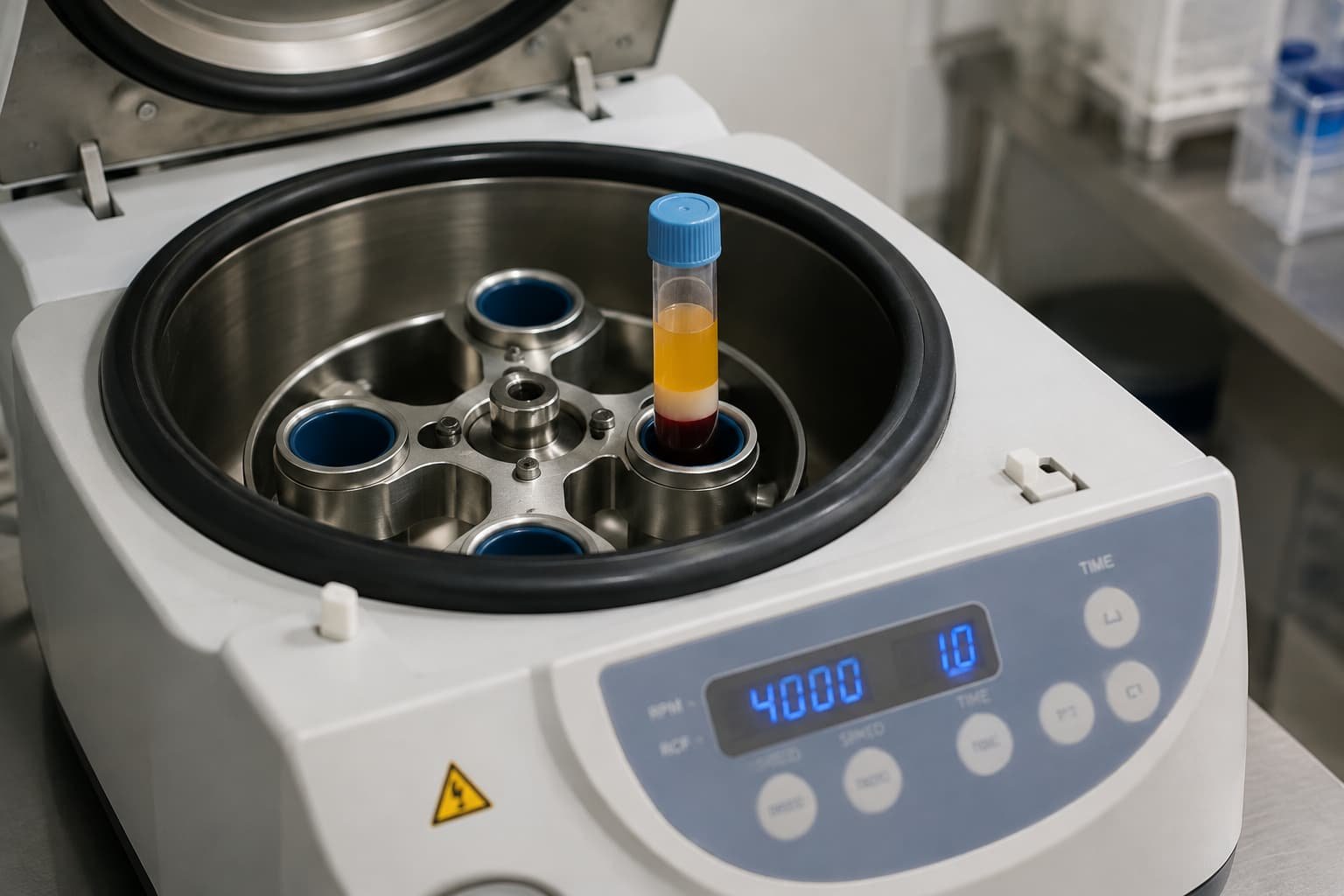
A topical numbing cream is applied to the treatment area before injection begins. Blood is drawn from the arm and placed into a centrifuge. Spinning separates plasma, platelets, and red blood cells into distinct layers within several minutes. The platelet-rich layer is drawn off and prepared for injection. A fine needle then delivers the concentrated plasma into targeted areas of penile tissue. Most men leave the clinic and resume normal daily activity the same day.
What Does Surgical Penile Enlargement Involve?
Surgical penile enlargement is not a single procedure but a category covering several distinct techniques. Some target length, others target girth, and some combine both aims within a single operation. General anaesthesia is standard for most surgical approaches performed in the UK and abroad. Recovery periods extend across several weeks rather than hours, and post-operative care requirements are considerably more demanding than any injection-based approach. Patient selection also matters greatly, since surgical candidacy depends on anatomy, general health, and realistic goal-setting during consultation.
Ligament Release Surgery for Penile Lengthening
This procedure, called ligamentolysis, divides the suspensory ligament anchoring the penis to the pubic bone. Cutting this ligament allows the internal portion of the shaft to project further outward. A cadaveric study measuring outcomes after ligamentolysis reported an average length gain of around 26 millimetres, with individual results ranging between 4 and 60 millimetres. Gains occur predominantly in flaccid length rather than erect length. Surgeons cannot reliably predict, before surgery, how much length any individual patient will gain. Post-operative traction using stretching devices or weighted extenders is usually required for weeks afterwards to help maintain results, and skipping this step often reduces the final outcome.
Girth Augmentation Techniques
Girth enhancement typically involves fat grafting, dermal filler injection, or synthetic graft material placed beneath the penile skin. Fat grafting transfers tissue harvested through liposuction from another part of the body into the penile shaft. Case series data report circumference increases averaging around 32 percent following autologous fat injection, alongside measurable improvements in reported satisfaction scores. Absorption of grafted fat is common, however, and can produce uneven or lumpy results over months following treatment. Hyaluronic acid gel injections have also been studied as a girth-enhancement option, with one published series reporting an average girth increase of around 1.1 centimetres alongside high patient satisfaction.
Penile Implant Surgery
Implant surgery is generally reserved for severe erectile dysfunction that has not responded to medication, injection therapy, or vacuum devices. A mechanical or inflatable device is placed inside the erectile chambers during an operation performed under general or regional anaesthesia. This option carries the highest complication burden among surgical approaches and is rarely pursued for cosmetic enlargement in isolation, since it addresses erectile rigidity rather than size directly.
Risk Comparison: P Shot vs Surgical Penile Enlargement
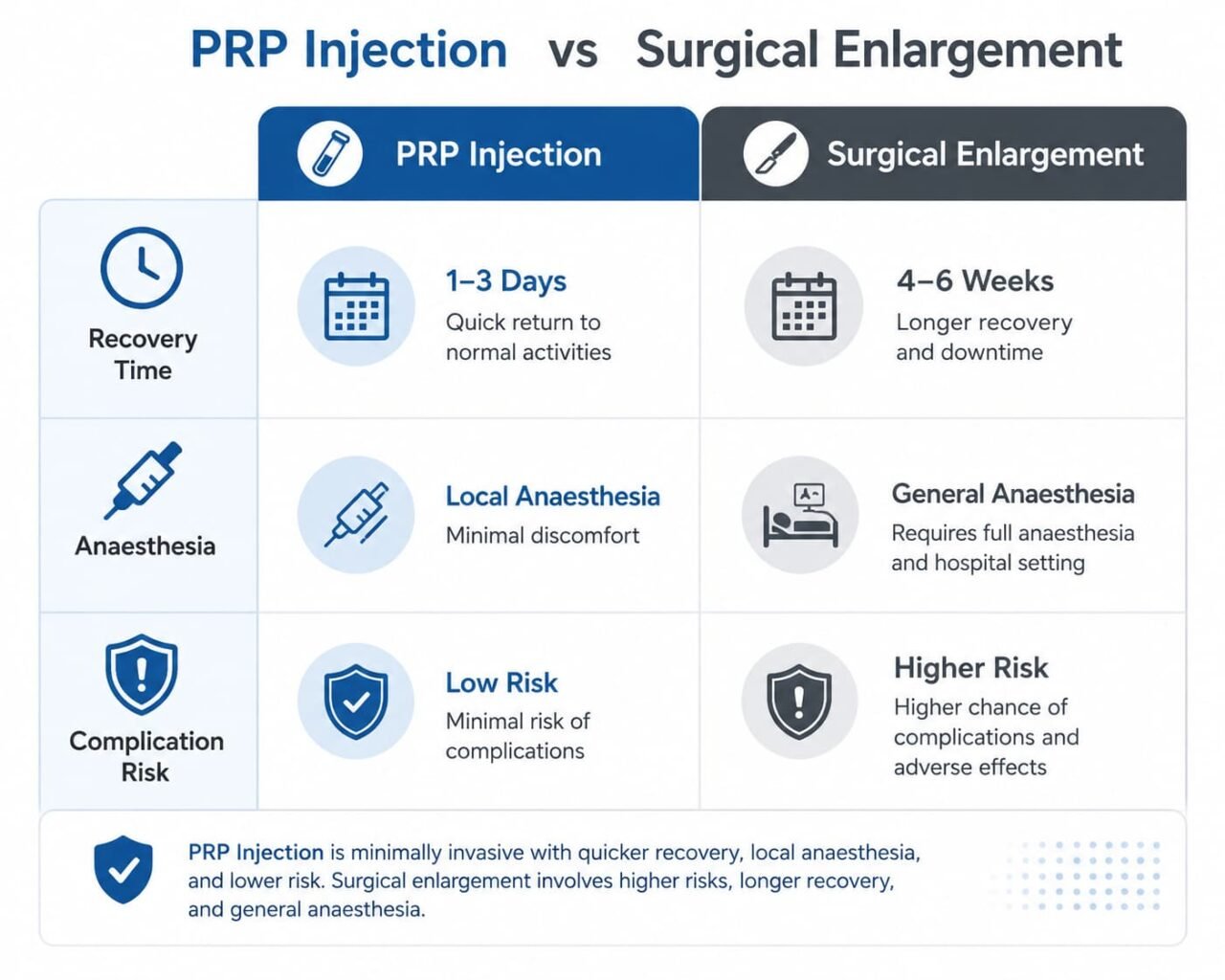
Risk profile is the central distinction separating these two treatment categories. Published data consistently show a substantially lower complication rate for PRP-based injection compared with any surgical enlargement procedure.
Documented Risks of PRP Injection Treatment
Because PRP originates from a patient’s own blood, allergic reaction risks stay low. Reported side effects include temporary swelling, bruising, and mild discomfort at injection sites. These effects typically resolve within 24 to 72 hours without further intervention. Infection risk exists with any injection procedure but remains low when strict sterile technique is followed. No general anaesthetic is required, removing an entire category of surgical risk from the equation. Standardisation across clinics remains inconsistent, however, since PRP preparation methods, platelet concentrations, and injection protocols vary between providers, which affects how comparable published results actually are.
Documented Risks of Surgical Enlargement
Surgical procedures introduce risk categories entirely absent from injection-based treatment. A published review of complications following penile lengthening and girth surgery found wound problems in half of the reviewed cases, alongside irregular fat nodules and visible scarring linked to earlier fat-grafting techniques. Repeat surgery was required in half of these cases, and sexual dysfunction was reported by a third of the men studied. Only one patient in that series reported a subjective increase in length following the original procedure.
Implant-specific complications include haematoma formation in up to a quarter of cases, blood transfusion requirements in around 3.5 percent of cases, and infection requiring device removal in up to 7 percent of cases, according to published systematic review data. Glans necrosis, a rare but serious complication, has been reported in fewer than 1 percent of implant cases. These figures come from surgical case series and vary between institutions, surgical experience, and patient selection criteria.
Ligament Instability After Lengthening Surgery
Ligament release surgery carries a specific structural risk. If too much ligament tissue is released, or healing does not proceed correctly, the erection can lack adequate support. This can produce a downward-pointing or unstable erection during intercourse. Correcting this complication is difficult and often requires further surgical intervention. General anaesthesia itself carries additional independent risks, including cardiovascular and respiratory complications, regardless of surgical skill or clinic reputation.
Recovery and Downtime Differences
Recovery timelines differ sharply between the two treatment categories. Men undergoing PRP-based injection treatment typically resume normal activity within a day, while surgical recovery extends across six to eight weeks.
Following the injection, mild swelling generally settles within a few days. Sexual activity can usually resume within a short period, subject to individual clinical advice from the treating practitioner. Surgical patients face a considerably longer path. Wound healing after ligament release or grafting surgery takes several weeks to complete. Abstinence from sexual activity and strenuous exercise is typically advised for six to eight weeks following surgery. Post-operative traction therapy may be required daily throughout much of this recovery window, and follow-up appointments continue for months afterwards to monitor healing and final outcome.
Realistic Outcomes: What the Evidence Shows
Overpromising results damages trust in both regenerative and surgical medicine. Current published evidence supports modest, carefully qualified expectations for both treatment categories, and clinics have a duty to communicate this clearly during consultation.
P Shot Before and After Expectations
Clinical evidence for this treatment centres primarily on erectile function rather than permanent size increase. A randomised controlled trial published in 2021 reported measurable improvements in erectile function scores following PRP injection. However, a 2025 meta-analysis found no clear efficacy advantage over placebo across several outcome measures studied. Current evidence does not reliably demonstrate permanent increases in penile length or girth from PRP injection growth claims circulating online. Reviewing P shot before and after photographs published by clinics can help set realistic expectations, though individual results vary considerably between patients. Anyone reviewing P-shot before and after material should treat such images as illustrative rather than guaranteed outcomes, since photographic angle and lighting can distort apparent change.
Surgical Outcome Expectations
Surgical procedures can produce measurable structural change, though variability across patients remains high. Flaccid length gains from ligament release average around 2.5 centimetres, though this figure is not guaranteed for any individual patient. Erect length typically shows minimal change following ligament release performed alone, without additional procedures. Girth augmentation results depend heavily on technique and graft material used, with fat grafting showing higher rates of volume loss over time compared with synthetic or dermal graft alternatives. Psychological readiness matters as much as physical healing, since surgery will not dramatically change clothed appearance and disappointment often follows unrealistic expectations set before treatment.
Cost Considerations in the UK
Male enlargement injections cost UK figures vary considerably by clinic, practitioner experience, and PRP preparation method used. Priapus shot price typically reflects the processing equipment, staff time, and clinical setting involved, rather than the physical volume of product injected. Surgical procedures carry substantially higher costs, frequently reaching several thousand pounds per session once anaesthesia, facility fees, and follow-up care are included in the total. Cost alone should never determine treatment choice, since unusually low prices often reflect reduced safety standards or less experienced practitioners. Patients comparing a P shot UK provider against a surgical clinic should request itemised pricing, including any charges for repeat sessions or revision procedures.
Non-Surgical Treatment for Erectile Dysfunction in London
Beyond enlargement claims, clinical interest in this treatment centres largely on its role as a non-surgical treatment for erectile dysfunction in London and further afield. PRP-based regenerative therapy for ED targets blood vessel formation and tissue repair rather than structural enlargement of the shaft. This distinguishes the approach functionally from surgical procedures, which target anatomical change rather than vascular or tissue quality. Natural ED treatment using PRP therapy appeals to men seeking an alternative to daily oral medication or invasive surgery, particularly those who have not responded fully to first-line PDE5 inhibitor treatment. Clinicians typically position this injection as a functional or adjunct therapy rather than a definitive enlargement solution.
NICE guidance on erectile dysfunction continues to recommend a structured, stepwise assessment before any injection or surgical pathway is pursued. NHS pathways generally begin with lifestyle review and oral medication before considering injection-based or surgical options. Erectile dysfunction treatment London clinics, whether NHS or private, should follow comparable assessment principles regardless of which specific therapy is eventually offered.
Who Might Consider Each Option?
Suitability depends on individual goals, medical history, and personal risk tolerance. A thorough consultation, including medical history review and physical examination, remains essential before either pathway is chosen. Certain medical conditions, including uncontrolled diabetes, active infection, or bleeding disorders, may rule out one or both options entirely.
Men seeking modest support for erectile function, minimal downtime, and lower procedural risk often explore this injection-based treatment as a first step. Men seeking measurable structural change, and who accept extended recovery alongside higher complication risk, may consider surgical consultation instead. Some men book a P shot treatment session purely to support erectile quality, without any expectation of size change at all. Neither option suits every patient, and treatment decisions should follow professional clinical assessment rather than online comparison alone. A written treatment plan, agreed during consultation, helps set expectations before either pathway begins.
Where to Access This Treatment in London

Priapus shot London providers vary considerably in training background and PRP preparation standards. pshots clinic UK, a Harley Street clinic based in Marylebone and led by Dr Syed Nadeem Abbas, is among the providers offering this treatment within central London. Verifying practitioner training, clinic registration, and PRP preparation standards remains an important step before booking any appointment, whether for a P shot London consultation or a surgical opinion elsewhere.
Evidence Standards and Why Study Quality Matters
Not all published studies on either treatment carry equal weight. Small case series, often cited on clinic websites, cannot establish reliable complication rates or outcome averages. Randomised controlled trials remain the strongest form of evidence, though few exist for penile PRP therapy at present. Systematic reviews of surgical technique carry more weight than single-surgeon case reports, since they pool outcomes across multiple centres and patient populations. Patients are entitled to ask any clinic which specific studies support the claims made during consultation. A reputable provider will discuss evidence limitations openly rather than citing testimonials or before-and-after galleries as proof of efficacy. This distinction matters particularly online, where marketing content frequently blurs the line between anecdotal report and peer-reviewed evidence.
Frequently Asked Questions
Is the P Shot safer than surgical penile enlargement?
Published evidence indicates a lower complication rate for the P Shot compared with surgical procedures. Surgery introduces anaesthesia risk, wound complications, and structural risks that injection-based treatment does not carry.
Does this treatment provide permanent enlargement?
No claim of permanent enlargement currently holds strong scientific support. Evidence supports functional improvement in erectile quality more consistently than any permanent increase in size.
How much does the treatment cost in the UK?
Priapus shot price varies by clinic, practitioner experience, and PRP preparation method used. Costs typically remain lower than surgical alternatives, though exact figures require direct consultation with a provider.
What is the recovery time after surgical penile enlargement?
Recovery typically spans six to eight weeks following most surgical procedures. Post-operative traction therapy and activity restriction usually apply throughout much of this period.
Can this injection be combined with other ED treatments?
Clinicians sometimes combine PRP injection with shockwave therapy or oral PDE5 medication. Combination approaches should follow individual clinical assessment rather than self-directed treatment planning.
Who should avoid surgical penile enlargement?
Men with unrealistic expectations, active infection, uncontrolled diabetes, or bleeding disorders are generally poor surgical candidates. A qualified surgeon will assess suitability during consultation before booking any procedure.
Key Takeaways
Choosing between the P Shot and surgical penile enlargement requires weighing published evidence rather than promotional claims. Surgical procedures offer greater potential structural change alongside meaningfully higher complication rates, longer recovery, and anaesthesia-related risk. PRP-based injection instead offers a lower-risk, non-surgical pathway, supported by modest, function-focused evidence rather than proven permanent enlargement. Both pathways carry real limitations that deserve careful, unhurried consideration alongside a qualified clinician. Which factor matters more to an individual patient: measurable structural change with higher risk, or a lower-risk path toward functional improvement with more modest results?
Read more: P Shot UK vs Penile Implants: Non-Surgical vs Surgical Options for Erectile and Sexual Dysfunction