✅Medically reviewed
Sunlight shapes male health more than most men realise. Britain offers very little of it between October and March. Vitamin D levels fall each winter, and a quiet question follows. Does a shortage of this vitamin affect erections?
Researchers have studied that question for more than a decade. The answer sits between two extremes. Vitamin D does not cause every case of erectile dysfunction (ED). Yet research on vitamin D deficiency and erectile dysfunction shows a measurable pattern. The pattern appears strongest in severe or vascular ED.
Low vitamin D rarely acts alone, and supplements rarely fix ED alone. That balanced view guides this article. The first sections explain what vitamin D does in the male body. Later sections review the strongest studies, list the symptoms to recognise and outline the main causes of erectile dysfunction. The final sections cover the vitamin D blood test and current erectile dysfunction treatment. Sources include the NHS, NICE and peer-reviewed journals.
Expect realistic information here, not promises. Evidence remains limited in several areas, and the article states those limits plainly.
What Is Vitamin D and Why Does It Matter for Men’s Sexual Health?
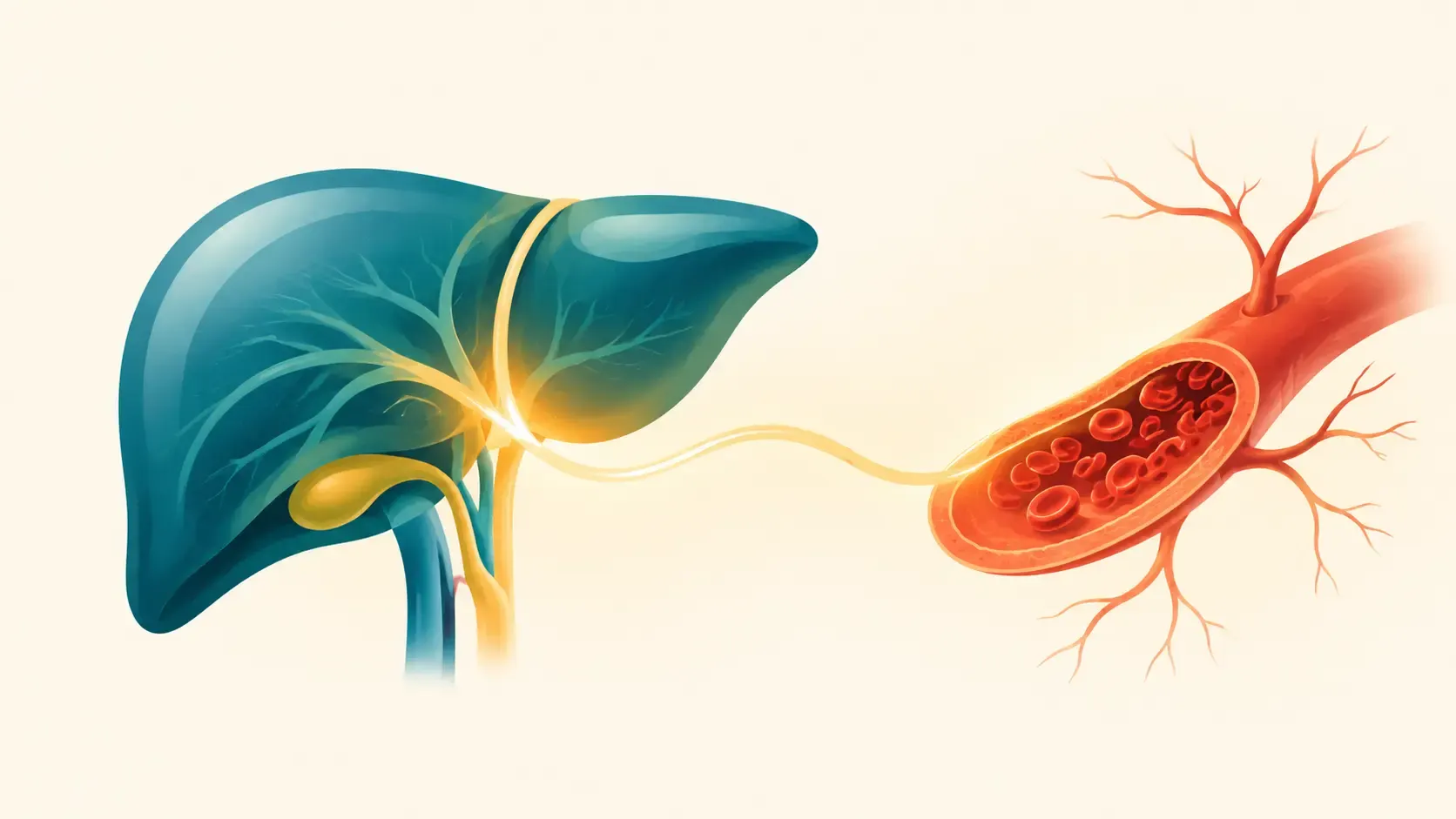
Vitamin D is a fat-soluble vitamin that behaves like a hormone. Skin makes it when sunlight strikes bare skin. Food and supplements supply the rest. The liver and kidneys then convert it into its active form.
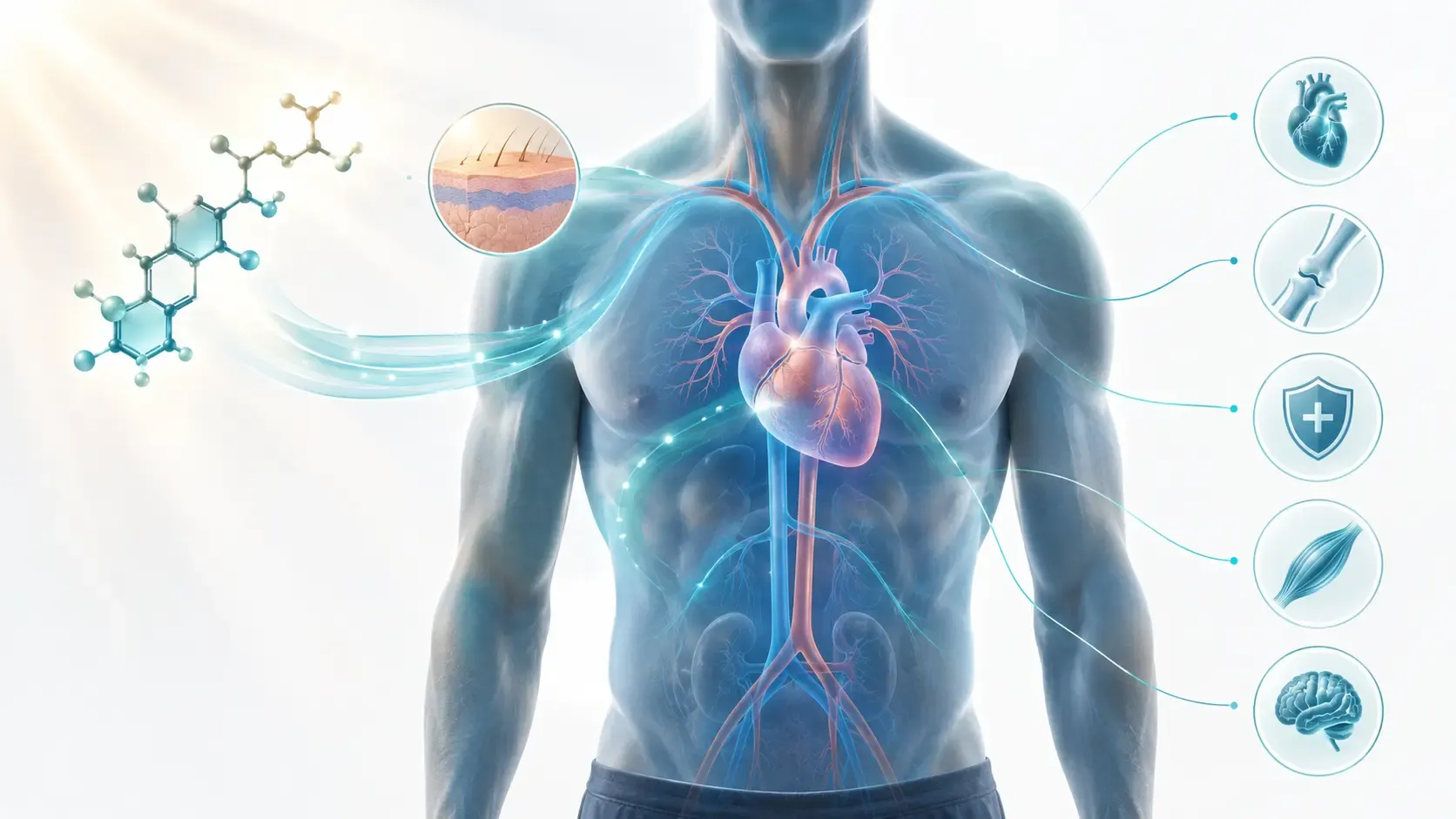
Vitamin D receptors sit in many tissues. Bone, muscle, blood vessels and the testes all carry these receptors. This wide distribution explains why researchers study vitamin D and men’s sexual health beyond bone health.
How Common Is Low Vitamin D in the UK?
Low vitamin D is common in Britain. Sunlight cannot trigger vitamin D production in UK skin from about October to early March. National survey data show that roughly one in five UK adults has low vitamin D status.
The Scientific Advisory Committee on Nutrition (SACN) sets a reference intake of 10 micrograms (400 IU) daily. The NHS advises adults to consider this dose during autumn and winter. People with little sun exposure or dark skin need it all year.
Who Faces a Higher Risk of Deficiency?
Several groups carry a higher risk:
- Older adults
- People with dark skin
- People who cover most of the skin outdoors
- People who spend little time outside, including housebound adults
- Men living with obesity
- Men with coeliac disease, Crohn’s disease or other malabsorption
- Men with chronic kidney or liver disease
- Men taking anticonvulsants or long-term steroids
Can Low Vitamin D Cause Erectile Dysfunction? What the Evidence Shows
The question of whether low vitamin D can cause erectile dysfunction has no simple answer. Three types of evidence matter: observational studies, mechanism studies and randomised trials.
Observational Evidence
A 2019 meta-analysis in Andrologia pooled seven studies covering 4,132 men. Men without ED showed higher vitamin D levels. The effect weakened when the analysis separated different laboratory methods. The authors found no strong relationship overall.
A 2020 meta-analysis in Nutrients reached a more specific conclusion. It found an association between vitamin D deficiency and severe ED, independent of testicular function.
A 2025 systematic review in the Journal of Clinical Medicine examined 10 studies covering more than 13,000 men. It confirmed an association, strongest in moderate-to-severe or arteriogenic ED. The reviewers did not pool the data because the studies differed too much.
Together, the studies show a link between low vitamin D and ED. Cause and effect remain unproven.
Why Association Does Not Prove Causation
Confounding factors complicate the picture. Obesity, diabetes, smoking, inactivity and ageing all lower vitamin D levels. The same factors raise ED risk. Low vitamin D may therefore act as a marker of poor general health rather than a direct cause.
Reverse effects also matter. Men with chronic illness spend less time outdoors. Less sunlight then lowers vitamin D further.
What Randomised Trials Show
Randomised trials give the strongest test of cause and effect. The D-Health trial, an Australian placebo-controlled study, analysed ED in 8,920 older men. Participants took monthly vitamin D for three years. Blood levels rose clearly. ED prevalence barely changed: 58.8% with vitamin D and 59.0% with placebo.
This result carries limits. The trial did not target men with severe deficiency or vascular ED. A benefit in those subgroups remains possible but unproven. Smaller studies in deficient men report improved erectile scores after replacement. Weak design and the lack of placebo groups reduce confidence in those findings.
How Vitamin D Deficiency and Erectile Dysfunction May Connect
Researchers propose several biological pathways. Laboratory and clinical data support some pathways. Others remain theoretical.
Vitamin D Deficiency and Blood Flow
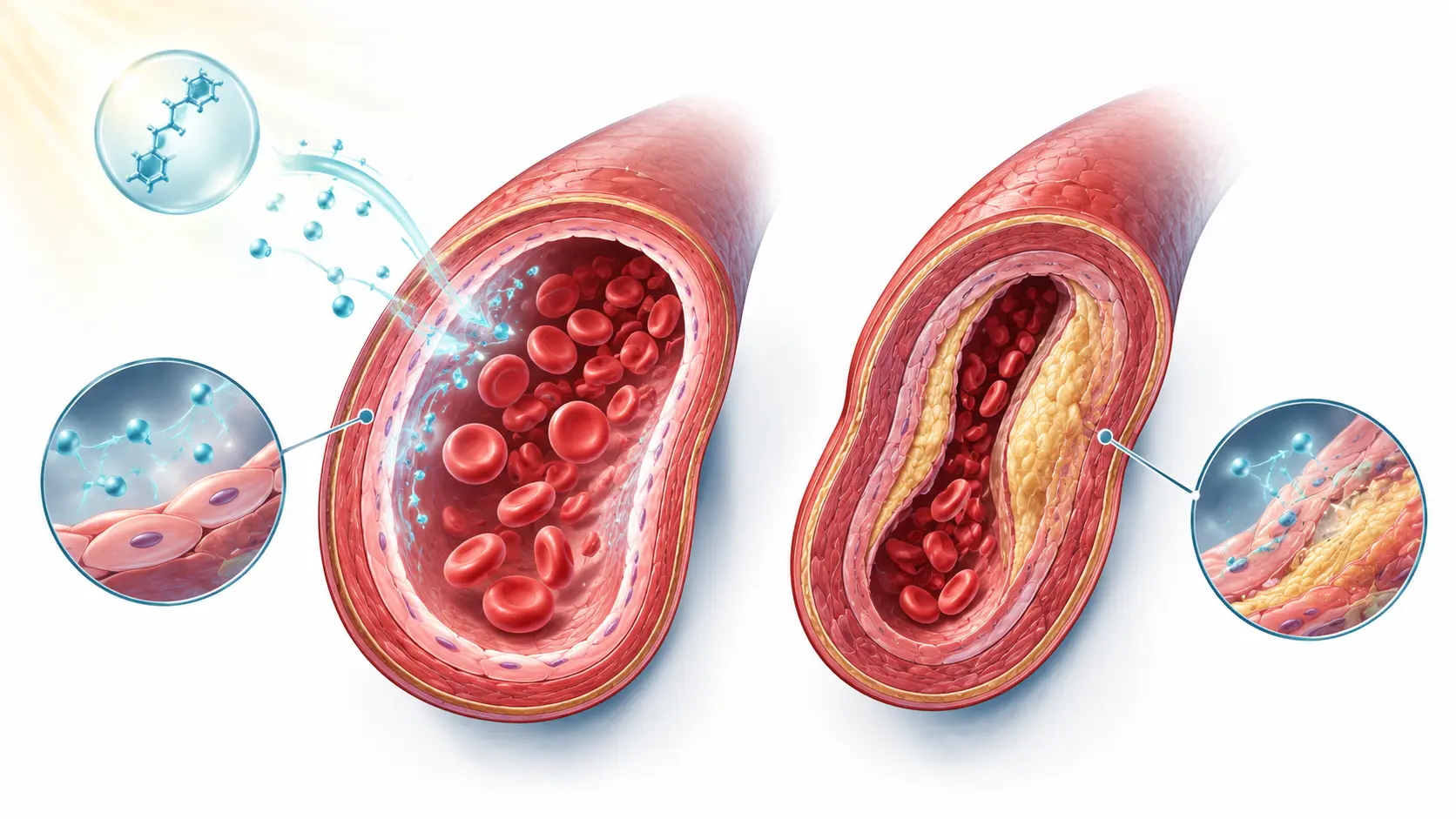
An erection depends on healthy blood vessels. The inner vessel lining, called the endothelium, releases nitric oxide. Nitric oxide relaxes smooth muscle and lets blood fill the penis.
Endothelial cells carry vitamin D receptors. Laboratory studies suggest that vitamin D supports nitric oxide production and reduces oxidative stress. Some population studies also link low levels with stiffer arteries and higher blood pressure.
Penile arteries are narrow, so damage shows early. Erectile symptoms can appear years before heart disease produces chest pain. For this reason, doctors treat persistent ED as a possible cardiovascular warning sign.
Vitamin D and Testosterone
The testes contain vitamin D receptors. Observational studies connect low vitamin D with low testosterone, particularly in men with obesity. Randomised trials give mixed results.
One trial in overweight men with low vitamin D reported higher testosterone after one year of daily supplements. Another trial found no change. The evidence on vitamin D and testosterone therefore remains inconsistent.
Testosterone matters for libido, energy and erectile quality. Low testosterone explains only a minority of ED cases, though. Guidance advises a morning blood test when symptoms suggest it.
Inflammation, Diabetes and Metabolic Health
Chronic inflammation damages blood vessels. Insulin resistance and diabetes damage both vessels and nerves. Vitamin D may influence both processes. The data remain indirect, so conclusions stay cautious.
Symptoms of Vitamin D Deficiency in Men
Many men with low vitamin D have no symptoms. When symptoms appear, the NHS lists tiredness, bone pain, muscle weakness and muscle aches. Severe, long-term deficiency softens adult bones, a condition called osteomalacia.
These symptoms overlap with many other conditions. Fatigue and aches also occur in thyroid disease, anaemia, depression and sleep disorders. A blood test separates these causes.
Erectile Symptoms to Recognise
The NHS defines ED as persistent difficulty getting or keeping an erection. Occasional difficulty is common and rarely signals disease. Doctors become interested when problems continue for weeks or months.
Men may notice:
- Difficulty achieving a firm erection
- Difficulty maintaining an erection during sex
- Fewer morning or night-time erections
- Reduced sexual desire
- Erections that soften before penetration
Symptoms alone cannot confirm vitamin D deficiency and ED together. Only a blood test and a clinical assessment can establish both. Diagnosing vitamin D deficiency and erectile dysfunction as separate problems matters, because each needs different management.
Causes of Erectile Dysfunction: Where Vitamin D Fits
The causes of erectile dysfunction usually combine physical and psychological factors. NHS guidance and NICE guidance agree on the main groups.
Vascular and Metabolic Causes
Atherosclerosis, high blood pressure, high cholesterol, obesity and type 2 diabetes cause most persistent ED. These conditions narrow arteries and damage the endothelium.
Hormonal and Neurological Causes
Low testosterone, thyroid disease and raised prolactin can reduce erectile function. Multiple sclerosis, Parkinson’s disease, spinal injury and pelvic surgery can damage the nerves involved.
Medicines and Lifestyle Factors
Some antidepressants, antihypertensives, antipsychotics and anti-androgen drugs affect erections. Smoking, heavy alcohol use and recreational drugs add further risk. Doctors review every medicine before investigating further.
Psychological Causes
Stress, anxiety, depression and relationship difficulties all affect erections. Psychological causes appear more often in younger men and in men who still have normal morning erections.
The Role of Vitamin D
In most men, vitamin D deficiency and erectile dysfunction coexist because of shared risk factors. Low vitamin D most likely acts as a contributing factor or a marker. It sits alongside blood pressure, glucose, cholesterol and hormones, not above these factors. A deficiency matters most in men who also have vascular or metabolic disease.
The Vitamin D Blood Test

A vitamin D blood test measures 25-hydroxyvitamin D, written 25(OH)D. This marker reflects total vitamin D from sunlight, food and supplements.
Interpreting the Result
NICE guidance uses these broad thresholds:
- Below 25 nmol/L: deficiency
- 25 to 50 nmol/L: possibly inadequate, depending on risk factors
- Above 50 nmol/L: sufficient for most people
Laboratories may use slightly different ranges. A doctor interprets the result alongside symptoms and risk factors.
Who Needs Testing?
The NHS does not test every adult routinely. GPs usually test men with symptoms of deficiency, bone disease, malabsorption or kidney disease. Men with ED often need a wider panel instead.
A thorough ED assessment typically includes blood pressure, weight, fasting glucose or HbA1c, cholesterol and a medicine review. Doctors add a morning testosterone test when symptoms suggest low levels. Vitamin D testing joins this panel when risk factors or symptoms justify it.
Vitamin D Supplements for Erectile Dysfunction
Men often ask whether vitamin D supplements for erectile dysfunction work. Evidence on vitamin D deficiency and erectile dysfunction treatment remains limited. The honest answer depends on baseline levels.
Men With Confirmed Deficiency
Correcting deficiency makes medical sense. It protects bone, muscle and immune function. Doctors usually prescribe a short course of higher doses, then a lower maintenance dose. Improvement in erections may follow in some men, but the evidence remains uncertain.
Men With Normal Levels
Supplements offer no proven erectile benefit when levels are adequate. The D-Health trial supports this view. Extra vitamin D adds risk without clear gain.
Safety and Dosing
The NHS advises that 10 micrograms daily suits most adults. Doses above 100 micrograms (4,000 IU) daily need medical advice. Excess vitamin D raises blood calcium. That causes nausea, weakness and, in severe cases, kidney damage.
More vitamin D does not mean better erections. Replacement aims to restore normal levels, nothing more.
Realistic Expectations
Vitamin D replacement usually corrects blood levels within weeks to months. Erectile improvement, if any, tends to be modest. Men with vascular disease, diabetes or nerve damage typically need additional treatment.
Erectile Dysfunction Treatment: Evidence-Based Options
Effective erectile dysfunction treatment starts with the cause. Doctors rarely rely on a single measure. Most plans combine lifestyle change, medicine and, where relevant, psychological support.
Lifestyle and Risk Factor Control
NHS guidance recommends regular exercise, weight loss where relevant and smoking cessation. Reduced alcohol intake also helps. Tight control of blood pressure, glucose and cholesterol protects blood vessels. Pelvic floor exercises may help some men.
Medicines
PDE5 Inhibitors
NICE and the NHS list sildenafil, tadalafil, vardenafil and avanafil as first-line medicines. These tablets enhance the nitric oxide pathway. Each tablet needs sexual stimulation to work. Common side effects include headache, flushing and indigestion.
Nitrates and nicorandil must never combine with PDE5 inhibitors. The mix can cause a dangerous drop in blood pressure. Doctors review heart medicines before prescribing.
Other Medical Options
Specialists may offer alprostadil, either as an injection or a urethral pellet. Vacuum erection devices provide a non-drug option. Testosterone therapy applies only to men with confirmed hypogonadism.
Psychosexual Therapy
Counselling helps men whose ED has psychological roots. It also helps when anxiety develops after a physical cause. Many men combine therapy with medicine.
Emerging Treatments
Low-intensity shockwave therapy and platelet-rich plasma (PRP) injections attract growing interest. Evidence remains limited. European Association of Urology guidance allows shockwave therapy in selected men with mild vascular ED. The same guidance regards PRP as investigational. Men should discuss benefits, costs and uncertainty with a qualified specialist.
When to See a Doctor
A GP review makes sense when erection problems persist for several weeks. ED may reveal undiagnosed diabetes, hypertension or heart disease. Early assessment protects both sexual function and long-term health.
Seek prompt advice for:
- Chest pain or breathlessness on exertion
- Sudden ED after a new medicine
- Pelvic or spinal injury
- New bone pain or muscle weakness
- Curvature or pain during erection
An erection lasting more than four hours needs emergency care.
P Shot Treatment for Erectile Dysfunction: Is It Worth Considering in London?
Men experiencing persistent erectile dysfunction sometimes explore treatment options beyond conventional medication. One option attracting interest is P Shot Treatment, also known as the Priapus Shot. This procedure uses platelet-rich plasma (PRP) prepared from a small sample of the patient’s own blood.
During the procedure, a clinician processes the blood to concentrate platelets. The resulting PRP is then injected into specific areas of penile tissue. Platelets release growth factors involved in tissue repair and regeneration. Researchers are investigating whether these processes can improve blood flow and erectile function.
What Should Men Know About P Shot Treatment?
P Shot Treatment is different from vitamin D replacement, testosterone therapy and standard ED medication. It does not correct vitamin D deficiency or replace the need to investigate underlying health conditions.
Men considering this treatment should first understand the possible benefits, risks and limitations. Current clinical evidence remains limited, and the European Association of Urology considers PRP an investigational option for erectile dysfunction.
A medical assessment is particularly important for men with diabetes, high blood pressure, cardiovascular disease or hormonal imbalances. Addressing these underlying conditions remains an important part of managing erectile dysfunction.
Considering P Shot London Treatment?
Men researching P Shot London services should look beyond promotional claims when choosing a clinic. Practitioner qualifications, clinical standards, treatment protocols and transparent discussions about evidence all matter.
At PShots Clinic UK, men can explore the P-Shot treatment in London and learn how the procedure works, what an appointment involves and whether an individual assessment may be appropriate.
A consultation with a qualified medical practitioner helps establish suitability and realistic expectations before any treatment decision.
Frequently Asked Questions
Do vitamin D deficiency and erectile dysfunction share a common cause?
Shared risk factors, such as obesity and diabetes, drive both problems. Evidence does not show that low vitamin D alone causes most ED.
Does vitamin D increase testosterone?
Results vary. One trial reported higher testosterone in overweight men after daily supplements. Another found no effect. Supplements do not replace testosterone assessment.
What vitamin D level counts as deficient?
NICE guidance defines deficiency as below 25 nmol/L. Levels from 25 to 50 nmol/L may prove inadequate in some men.
Should men take vitamin D supplements for erectile dysfunction?
Men with confirmed deficiency should correct it. Men with normal levels gain no proven erectile benefit.
How long does vitamin D replacement take to work?
Blood levels usually improve within weeks. Erectile changes, if any, develop more slowly and vary between men.
Key Takeaways
Vitamin D deficiency and erectile dysfunction share a real but modest link. Observational studies connect the two, especially in severe or vascular ED. Randomised evidence does not yet show that supplements improve erections in the wider male population.
Vitamin D deserves attention as one piece of a larger medical picture. A blood test, a blood pressure check and a medicine review give far more information than any single result. Treatment succeeds when it targets the real cause.
Informed decisions rest on accurate evidence. Men should correct proven deficiency, avoid excess doses and seek assessment for persistent symptoms. Honest expectations protect against wasted time and money.
If erectile difficulty can signal wider health risks, what would an earlier conversation with a doctor change?
Read more:
Tests to Take Before a P Shot: HbA1c, Testosterone, Lipids and Blood Pressure
Common Questions About Erectile Dysfunction: What Doctors Hear Most Often
Dr Syed Nadeem Abbas, MBBS, MRCSEd, MSc Aesthetic Plastic Surgery (Distinction) Medical Director, Pshot Clinic | CQC Regulated | Monday to Saturday 10:00–18:00 +44 7955 836986