✅Medically reviewed
Cars receive an annual MOT, yet many men go years without a routine health check. Movember men’s health checks give that habit a deadline. Every November, the UK campaign spotlights prostate cancer, testicular cancer and male suicide. Movember 2026 also offers something practical: a calendar prompt to book overdue appointments.
Delay carries a cost. Prostate cancer is the most common cancer in UK men. Testicular cancer mainly affects men aged 15 to 49. High blood pressure, raised cholesterol and type 2 diabetes often cause no symptoms for years. Low mood and anxiety also build quietly. A short appointment can catch several of these problems early.
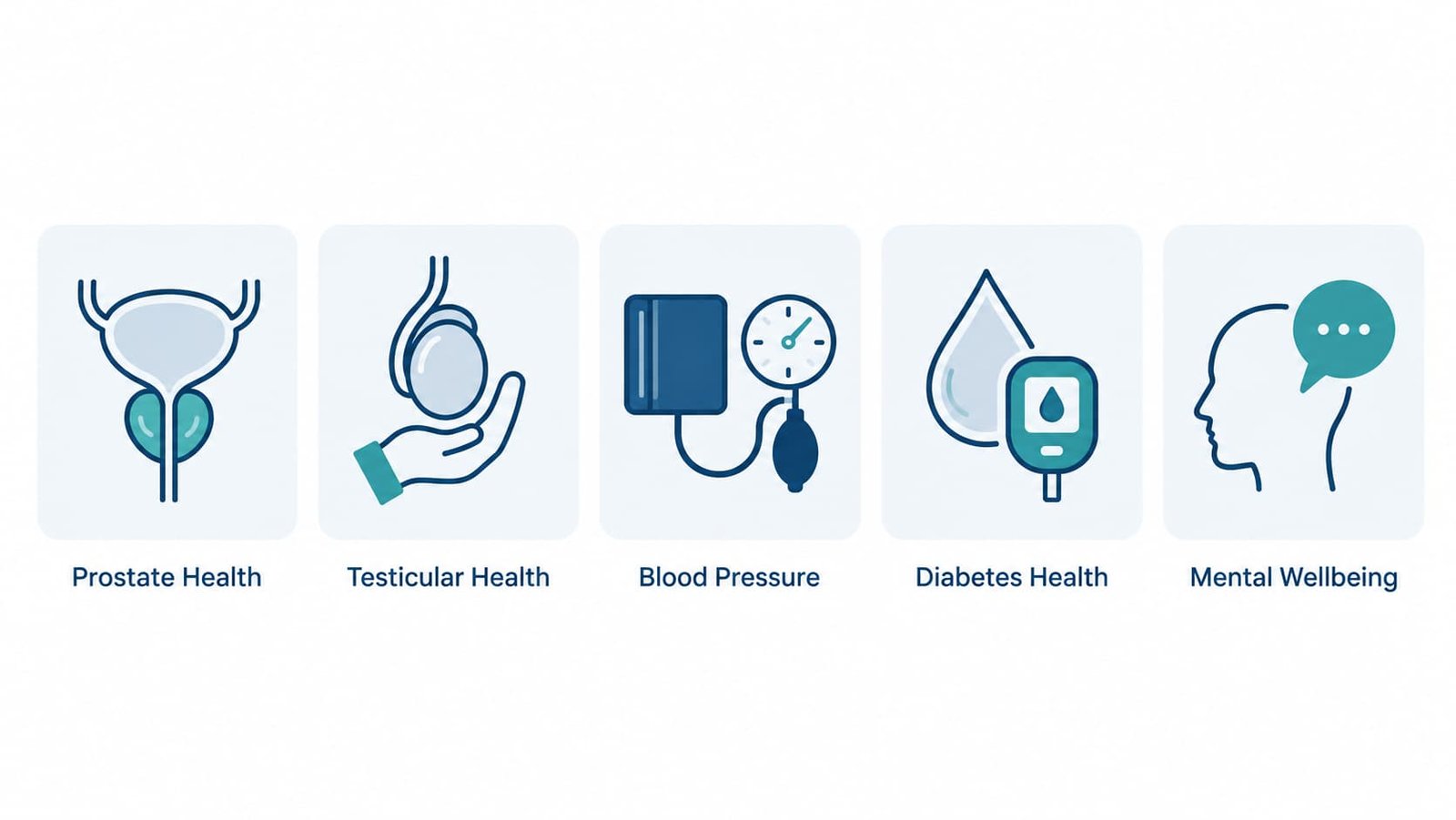
This guide explains five checks worth booking. Each section describes what the check measures, who needs it and what the result can and cannot show. Sources include the NHS, NICE, the UK National Screening Committee and peer-reviewed research. The aim is informed choice, not alarm. Some checks suit every adult man. Others, such as the PSA test, involve real trade-offs that need a clinician’s guidance first.
Why Movember 2026 Prompts a Men’s Health Check-Up
Movember began in Australia in 2003 and now runs across the UK each November. The campaign funds prostate cancer, testicular cancer and mental health work. A separate Men’s Health Week runs in June, organised by the Men’s Health Forum. November therefore offers a second annual reminder. Movember men’s health checks turn that awareness into booked appointments.
What Does a Men’s Health Check Include?
A men’s health check-up combines a conversation with a few measurements. Age, family history and symptoms shape the exact content. A typical appointment covers:
- Blood pressure, pulse, height, weight and body mass index
- A cholesterol test and an HbA1c blood sugar test
- Smoking, alcohol, activity and diet
- Mood, sleep and stress
- A discussion of urinary or sexual symptoms
- Decisions on PSA testing or a testicular examination
The NHS Health Check follows a similar pattern. Adults aged 40 to 74 receive an invitation every five years. Men with heart disease, stroke or diabetes follow separate care pathways. The check estimates the risk of heart disease, stroke, kidney disease, type 2 diabetes and dementia. Men who miss an invitation can ask the GP practice about eligibility.
Check 1: Prostate Check (PSA Test)
The prostate is a walnut-sized gland below the bladder. It surrounds the urethra, so enlargement often changes urinary flow. Early prostate cancer usually causes no symptoms. Because of this silence, the PSA test attracts more debate than any other check in this guide.
Who Can Request a PSA Test
NHS guidance lets men aged 50 and over request a PSA test from a GP. The GP first explains the benefits and risks. Prostate Cancer UK advises Black men and men with a close family history to discuss testing from age 45. Men of any age with urinary symptoms or blood in the urine should see a GP promptly.
What a PSA Test Measures
PSA is a protein that the prostate makes. A blood test measures the level. Prostate cancer raises PSA. Benign enlargement, infection and inflammation also raise it. Ejaculation and vigorous exercise, including cycling, can push the level up for about 48 hours. NHS advice therefore asks men to avoid both before sampling.
Benefits and Limits of PSA Testing
Potential Benefit
A large European screening trial (ERSPC) reported a 20% relative fall in prostate cancer deaths after 16 years. Researchers attribute this effect to earlier treatment of aggressive cancers.
Potential Harm
A raised PSA result does not confirm cancer, and a normal result does not exclude it. NHS information states that roughly three in four men with a raised PSA do not have prostate cancer. Raised results trigger MRI scans and sometimes biopsies. Biopsies carry risks of infection and bleeding. Treating slow-growing cancers that never threatened life can cause incontinence and erectile dysfunction. Clinicians call this overdiagnosis.
When Should Men Start Prostate Screening?
No NHS population screening programme for prostate cancer exists. The UK National Screening Committee confirmed in 2026 that population screening should not begin. Overdiagnosis and overtreatment, in the committee’s judgement, outweigh the benefits. The committee supports targeted screening only for men with a confirmed BRCA2 gene variant. Evidence remains under review, including results from the TRANSFORM trial.
Men’s health screening in the UK therefore stays targeted rather than universal. Timing depends on individual risk. Informed requests start at 50 on the NHS and at 45 for higher-risk groups, according to Prostate Cancer UK.
Check 2: Testicular Self-Examination
Testicular cancer is uncommon. It mainly affects younger men, with most cases appearing between ages 15 and 49. Cancer Research UK reports high survival when diagnosis comes early. The NHS runs no testicular cancer screening programme. Testicular self-examination therefore works as an awareness habit rather than a formal test.
How to Examine the Testicles
NHS guidance suggests checking after a warm bath or shower, when the scrotal skin relaxes. The steps are simple:
- Hold the scrotum and examine one testicle at a time.
- Roll the testicle gently between thumb and fingers.
- Feel for lumps, swelling or areas of hardness.
- Locate the soft, cord-like epididymis at the back, which is normal.
- Repeat the check monthly.
One testicle often hangs lower or feels slightly different. This variation is normal. A change from the usual pattern matters more than the pattern itself.
When to See a GP
A GP assessment suits any of the following:
- Any new lump or swelling
- Changes in size, shape or firmness
- Heaviness in the scrotum
- A dull ache that does not settle
Most lumps have benign causes, such as cysts or infection. An examination and ultrasound scan separate benign from serious causes. Sudden, severe testicular pain is an emergency. Testicular torsion cuts off blood supply and needs surgery within hours. Men with this pain should attend A&E or call 999.
Check 3: Blood Pressure Check for Men and Cholesterol Test
Blood Pressure Check for Men
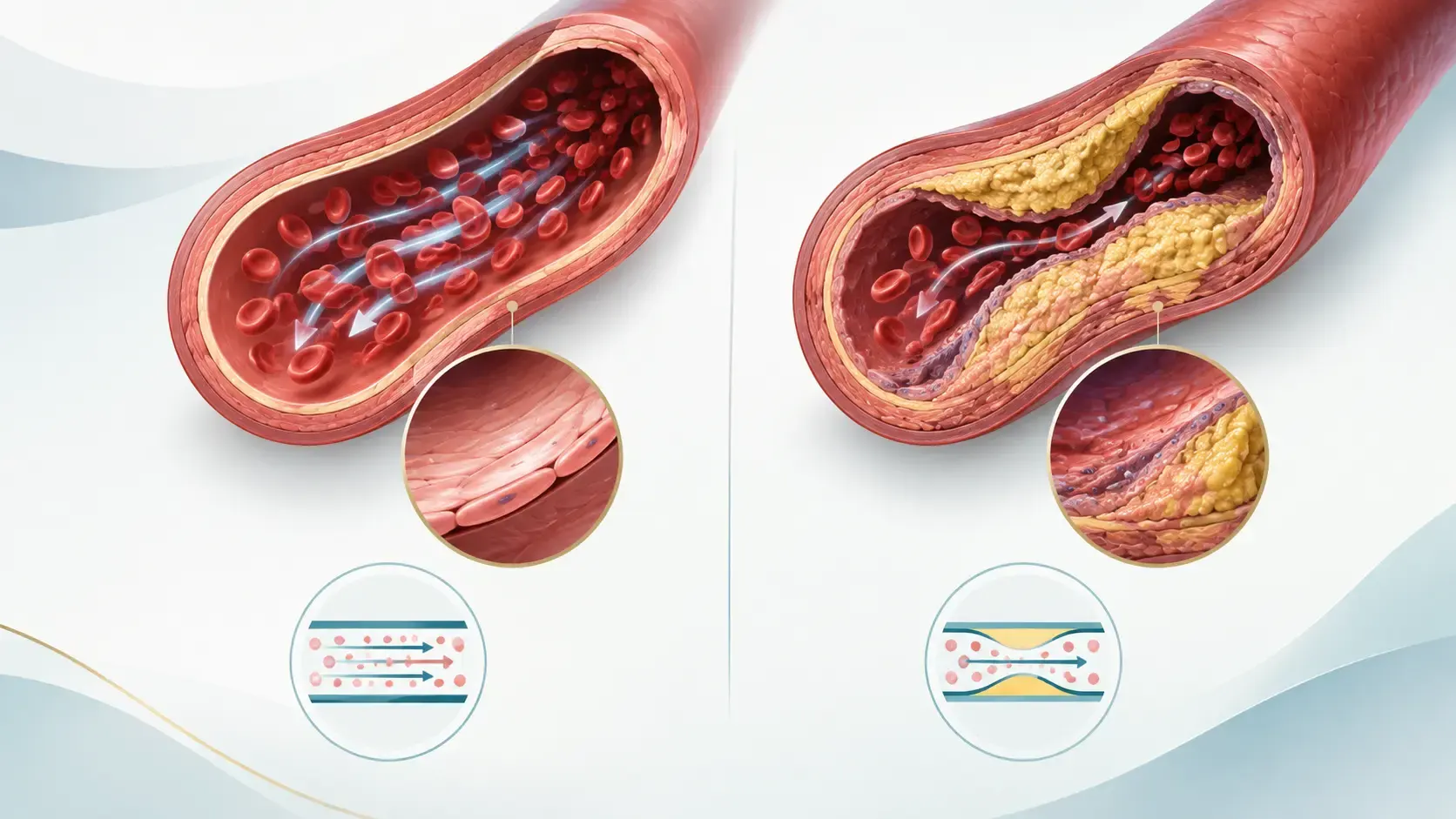
High blood pressure rarely causes symptoms. It raises the risk of heart attack, stroke, kidney disease and vascular dementia. NHS thresholds define high blood pressure as 140/90 mmHg or above in clinic, or 135/85 mmHg at home. The ideal range sits between 90/60 and 120/80 mmHg.
NICE guideline NG136 advises confirming a high clinic reading with home or 24-hour monitoring. Many community pharmacies in England offer free checks to adults aged 40 and over. A blood pressure test takes minutes and needs no preparation beyond resting first. Validated home monitors also give readings in familiar surroundings, which helps confirm a high result.
Cholesterol Test
A cholesterol test, or lipid profile, measures total cholesterol, LDL, HDL and triglycerides. Non-fasting samples usually suffice. NHS guidance suggests total cholesterol of 5 mmol/L or below for most adults. LDL should sit at 3 mmol/L or below.
Clinicians combine the result with age, smoking status, blood pressure and family history. The QRISK3 tool then estimates ten-year cardiovascular risk. NICE guideline NG238 advises discussing statins when that risk reaches 10% or higher.
A single reading has limits. Anxiety can lift clinic blood pressure, and diet or illness can shift lipid values. Repeat testing confirms a pattern before treatment begins.
Check 4: Diabetes Test (HbA1c)
Type 2 diabetes often develops without obvious symptoms, so prediabetes frequently goes unnoticed without testing. An HbA1c test measures average blood glucose over the previous two to three months. The test needs no fasting. NHS thresholds classify 48 mmol/mol or above as diabetes and 42 to 47 mmol/mol as prediabetes. A clinician usually repeats an abnormal result in a man without symptoms before confirming the diagnosis.
Symptoms include excessive thirst, frequent urination, tiredness, unexplained weight loss and slow wound healing. Recurrent genital thrush also occurs. Risk rises with age, excess weight, a family history of diabetes and South Asian or Black African-Caribbean ethnicity.
Lifestyle changes reduce the risk of progression from prediabetes to type 2 diabetes. Weight loss, a balanced diet and regular activity all contribute. HbA1c can mislead in anaemia and some inherited haemoglobin variants. Clinicians then choose a different glucose test.
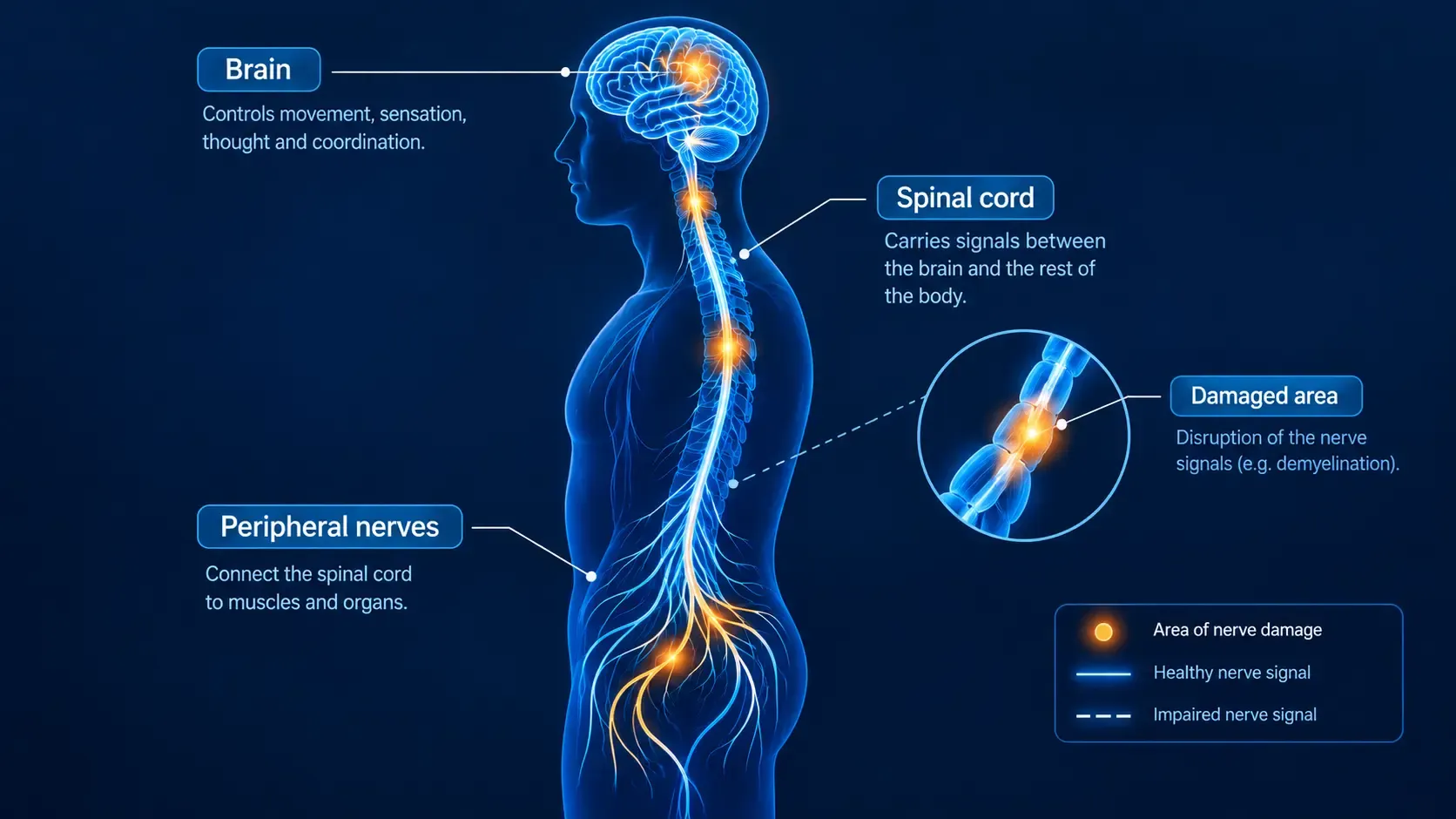
Diabetes also damages blood vessels and nerves. Erectile problems sometimes appear before the diagnosis.
Check 5: Men’s Mental Health Check
Office for National Statistics data show that men account for about three in four suicides in England and Wales. A men’s mental health check needs no equipment. Clinicians ask about mood, anxiety, sleep, appetite, alcohol use and concentration. Validated questionnaires, including PHQ-9 for depression and GAD-7 for anxiety, structure the conversation.
Men often present differently from the textbook picture. Irritability, anger, heavier drinking, risk-taking and physical complaints can signal depression. Sadness may not feature at all.
A questionnaire score guides a conversation; it does not diagnose depression. NICE guideline NG222 sets out assessment and treatment options.

Where to Find Support
NHS Talking Therapies accept self-referral in England without a GP appointment. Samaritans answer calls free on 116 123, at any hour. NHS 111 offers a mental health option. Anyone in immediate danger should call 999 or attend A&E.
How Often Should Men Get a Health Check?
Frequency depends on age, risk and results. The table summarises common UK guidance.
| Check | Suggested frequency | Main source |
| Testicular self-examination | Monthly | NHS |
| Blood pressure | At least every five years from age 40, more often if high | NHS |
| Cholesterol and HbA1c | Every five years through the NHS Health Check, sooner with risk factors | NHS |
| PSA test | Individual choice from age 50 (45 for higher risk) after discussion | NHS, Prostate Cancer UK |
| Mental health | Whenever mood, sleep or drinking changes | NICE |
Health checks for men over 40 deserve particular attention. Cardiovascular and metabolic risks rise with age, and NHS Health Check eligibility starts at 40. Men with high readings, a strong family history or diabetes need more frequent monitoring. Movember men’s health checks work best as the start of a recurring habit rather than a one-off event.
Private Men’s Health Check UK: NHS and Private Options
What a Private Check Offers
A private men’s health check UK typically bundles blood pressure, body measurements and blood tests into one visit. Panels often add liver, kidney and hormone tests. Appointments usually arrive faster than NHS invitations.
Limitations deserve equal attention. Broad panels can flag borderline results of uncertain meaning. Those findings may trigger further tests and anxiety without improving health outcomes. Men should also share private results with the GP so records stay complete.
How to Find and Book a Men’s Health Check
Men searching for a men’s health check near me can start with a GP practice, pharmacy or private clinic. Private providers in England should hold Care Quality Commission registration. The General Medical Council register confirms a doctor’s qualifications. Before booking, men can ask which tests the package includes and how the clinic handles abnormal results.
To book a men’s health check, most NHS practices offer online or telephone booking. Private clinics list direct booking options online. Movember men’s health checks fit either route.
Erectile Symptoms, Heart Health and P Shot Treatment

Vascular or metabolic disease can first appear as erectile dysfunction. A JAMA analysis of the Prostate Cancer Prevention Trial linked new erectile dysfunction with later cardiovascular events. Blood pressure, cholesterol and HbA1c checks therefore form part of any sound assessment of erectile problems. Movember men’s health checks give men a natural moment to raise these symptoms.
NHS guidance lists lifestyle changes and PDE5 inhibitors, such as sildenafil, as standard first-line options. Some men explore regenerative approaches. P Shot treatment, also called the Priapus shot, injects platelet-rich plasma into penile tissue. Evidence comes mainly from small trials, and long-term benefit remains uncertain. Major UK guidance does not list PRP injection among standard erectile dysfunction treatments. Results vary, and no outcome is guaranteed.
Pshots clinic UK is a Harley Street clinic in Marylebone. Dr Syed Nadeem Abbas (MBBS, MRCS RCS Edinburgh, MRCGP) leads it. The clinic provides P Shot UK services, including Priapus shot London appointments, after medical assessment. A full health check should precede any decision about P Shot treatment.
Frequently Asked Questions
What Are Movember Men’s Health Checks?
Movember men’s health checks are routine checks that men book during the November awareness month. Common components include blood pressure, cholesterol, HbA1c, testicular awareness, a prostate risk discussion and mental health. Any GP practice, pharmacy or clinic can provide the underlying checks.
Does a Normal PSA Result Rule Out Prostate Cancer?
No. NHS guidance states that some men with prostate cancer have a normal PSA result. A GP also considers symptoms, age and family history. Repeat testing or an MRI scan may follow when concern persists.
Can a Private Check Replace the NHS Health Check?
A private check can duplicate many NHS Health Check measurements. Private results do not enter NHS records automatically. Men should share the report with the GP to keep care joined up.
Do Men Need Symptoms Before Booking a Health Check?
No. Several checks, including blood pressure and HbA1c, target silent conditions. A testicular lump, blood in the urine or persistent low mood needs prompt assessment instead.
Is P Shot Treatment Part of a Men’s Health Check?
No. A health check assesses risk and screens for disease. P Shot treatment addresses erectile symptoms and sits outside standard NHS guidance. A clinician can explain the evidence, limits and alternatives.
Conclusion
Movember offers a rare shared prompt for men’s health. Five checks cover the largest preventable risks. Those checks span prostate risk, testicular awareness, blood pressure, cholesterol, HbA1c and mental health. Each carries limits. A PSA test can mislead, and a single blood pressure reading can mislead too.
Informed decisions beat both avoidance and over-testing. Men who understand what each check measures can weigh benefits and harms with a clinician. Movember men’s health checks supply the deadline. Evidence supplies the guide.
Which overdue check will move from intention to calendar before November ends?
Read more:
Tests to Take Before a P Shot: HbA1c, Testosterone, Lipids and Blood Pressure
Can Type 2 Diabetes-Related Erectile Dysfunction Be Reversed? What Research Shows
Dr Syed Nadeem Abbas, MBBS, MRCSEd, MSc Aesthetic Plastic Surgery (Distinction) Medical Director, Pshot Clinic | CQC Regulated | Monday to Saturday 10:00–18:00 +44 7955 836986