✅Medically reviewed
Firmness, duration and reliability define erection quality. Age, circulation, hormones and mental health can alter each one. Many men now ask whether a single injection of concentrated blood plasma could restore all three. That question sits at the centre of a growing debate in men’s health. The Priapus Shot, also called the P Shot, uses platelet-rich plasma (PRP) to target penile tissue. Clinics describe the treatment as regenerative. Urology guidelines describe it as experimental. Both descriptions deserve attention.
This article examines the Priapus Shot for erection quality using NHS information, urology guidelines and peer-reviewed trials. It explains how the procedure works, what the research shows and where evidence remains weak. Sections on firmness, stamina, premature ejaculation, safety and provider choice follow. Honest answers need both the promising data and the gaps. Readers will finish with a realistic picture of likely outcomes.
What Is the Priapus Shot?
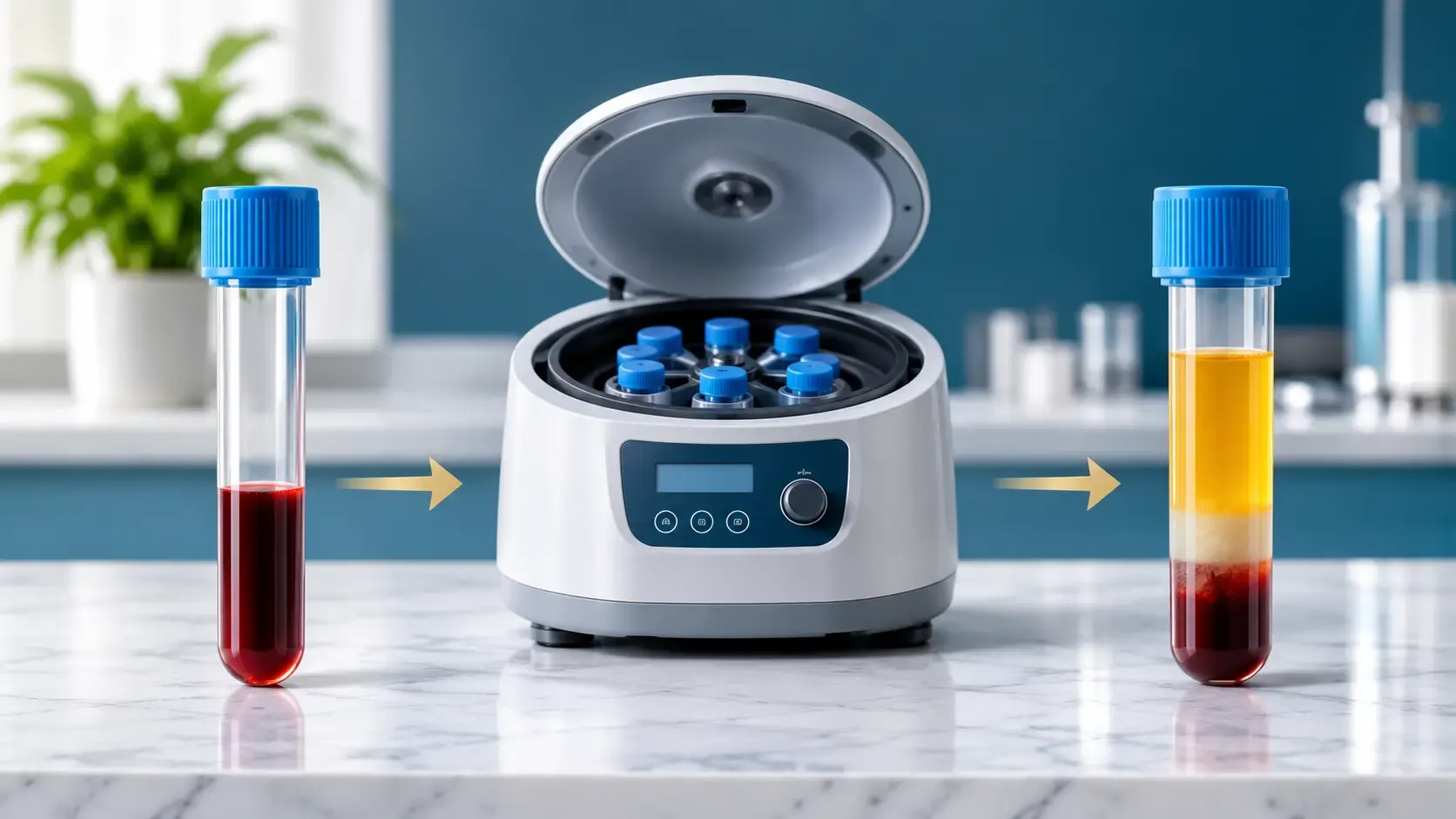
The Priapus Shot is a form of PRP therapy. A clinician draws a small blood sample from the arm. The centrifuge then spins the sample and concentrates the platelets. Platelets release growth factors that influence tissue repair. Next, the clinician injects the concentrate into penile tissue. UK providers use both names, P Shot and Priapus Shot, for the same procedure.
PRP has a long record in orthopaedics and wound care. Researchers later applied the idea to sexual medicine. Early laboratory work had suggested that growth factors might support blood vessels and nerves. Laboratory promise does not equal clinical proof. That distinction shapes the rest of this article.
Priapus Shot Benefits for Men: What Clinics Report
Clinics list several intended benefits of the treatment. Reported aims include:
- Firmer erections during sexual activity
- Better ability to maintain an erection
- Improved penile sensation
- Greater sexual stamina and confidence
- Reduced penile curvature in Peyronie’s disease
- Possible help with premature ejaculation
Controlled trials support only some of these aims, and only partly. The sections below test each claim against published data.
How Does the Priapus Shot Work?
PRP therapy follows a simple sequence. Understanding that sequence helps readers judge the claims made for it.
The Proposed Biological Mechanism
Researchers propose three actions for platelet growth factors. Most evidence for these actions comes from cell and animal studies, not from human erectile tissue.
Blood Vessel Growth
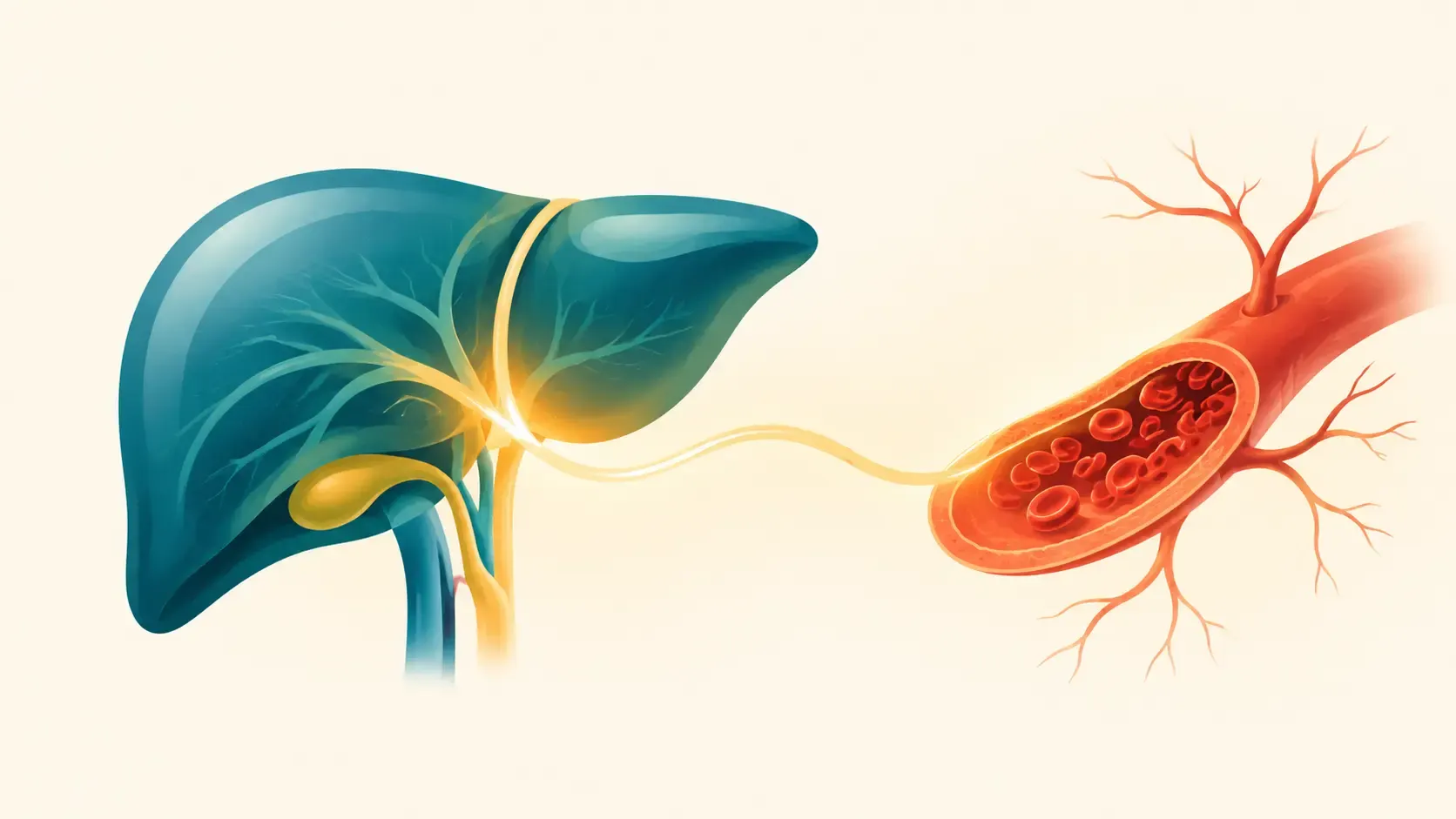
Growth factors such as vascular endothelial growth factor may encourage new capillaries. More capillaries could raise blood inflow during arousal. Adequate inflow forms the basis of a firm erection.
Nerve Support
Platelet-derived factors may support injured nerve fibres. Nerve signals trigger the blood vessel relaxation that starts an erection. Repair of these signals could, in theory, improve responsiveness.
Tissue Quality
Growth factors may also reduce scarring and improve the smooth muscle of erectile tissue. Healthier tissue may hold blood more efficiently. Direct proof of these tissue changes in men remains limited.
What Happens During a Treatment Session
A typical session follows these stages:
- Consultation and medical history review
- Numbing cream, or a nerve block in some clinics
- Blood draw from the arm
- Centrifugation to concentrate the platelets
- PRP injection into targeted penile sites
The visit usually lasts 45 to 60 minutes. Most men return to normal activity the same day. Clinics commonly advise a short break from sexual activity afterwards. Protocols differ between providers, and no single UK standard exists. Published trials used between two and four sessions. Clinic schedules differ, from a single session to a course of three. No trial has identified an optimal schedule.
Does P Shot Improve Erections? What the Research Shows
Trials measure erectile function with the International Index of Erectile Function (IIEF). Higher scores mean better function. Researchers also track the minimal clinically important difference (MCID), which marks the smallest change that a man would notice. Doppler ultrasound adds an objective measure of blood inflow.
Evidence That Supports Benefit
Several meta-analyses report positive findings. A 2024 PLOS ONE analysis pooled 12 controlled trials with 991 patients. PRP groups showed better IIEF and MCID outcomes than control groups .
A 2024 review in Translational Andrology and Urology analysed three randomised trials and seven non-randomised studies. Erectile function scores rose by roughly four points from baseline at one, three and six months. The authors noted that most included studies lacked control groups .
A 2025 review in The Aging Male pooled seven randomised trials with 660 men. PRP outperformed control on IIEF at 12 and 24 weeks, but not at four weeks. Adding PRP to low-intensity shockwave therapy also beat shockwave alone .
Evidence That Questions Benefit
Other analyses reach a more cautious conclusion. A 2025 systematic review of seven randomised trials with 512 participants found no consistent, clinically meaningful gain over placebo. Pooled IIEF differences at one, three and six months stayed small and unreliable .
Guideline bodies reflect this uncertainty. The European Association of Urology advises against PRP for erectile dysfunction outside clinical trials, a weak recommendation. Similarly, the American Urological Association classes PRP as experimental . The Priapus Shot for erection quality therefore sits outside routine guideline-endorsed care.
Why Results Differ Between Studies
Protocols vary widely. Trials use different PRP volumes, platelet concentrations, injection sites and session numbers. Sample sizes stay small. Follow-up often stops at six months. Placebo responses in erectile dysfunction trials also run high, because expectation and reduced anxiety improve performance. Causes of erectile dysfunction differ too, and a treatment may suit one cause but not another. Pooled results therefore show a possible signal, not a settled effect.
P Shot and Erection Firmness
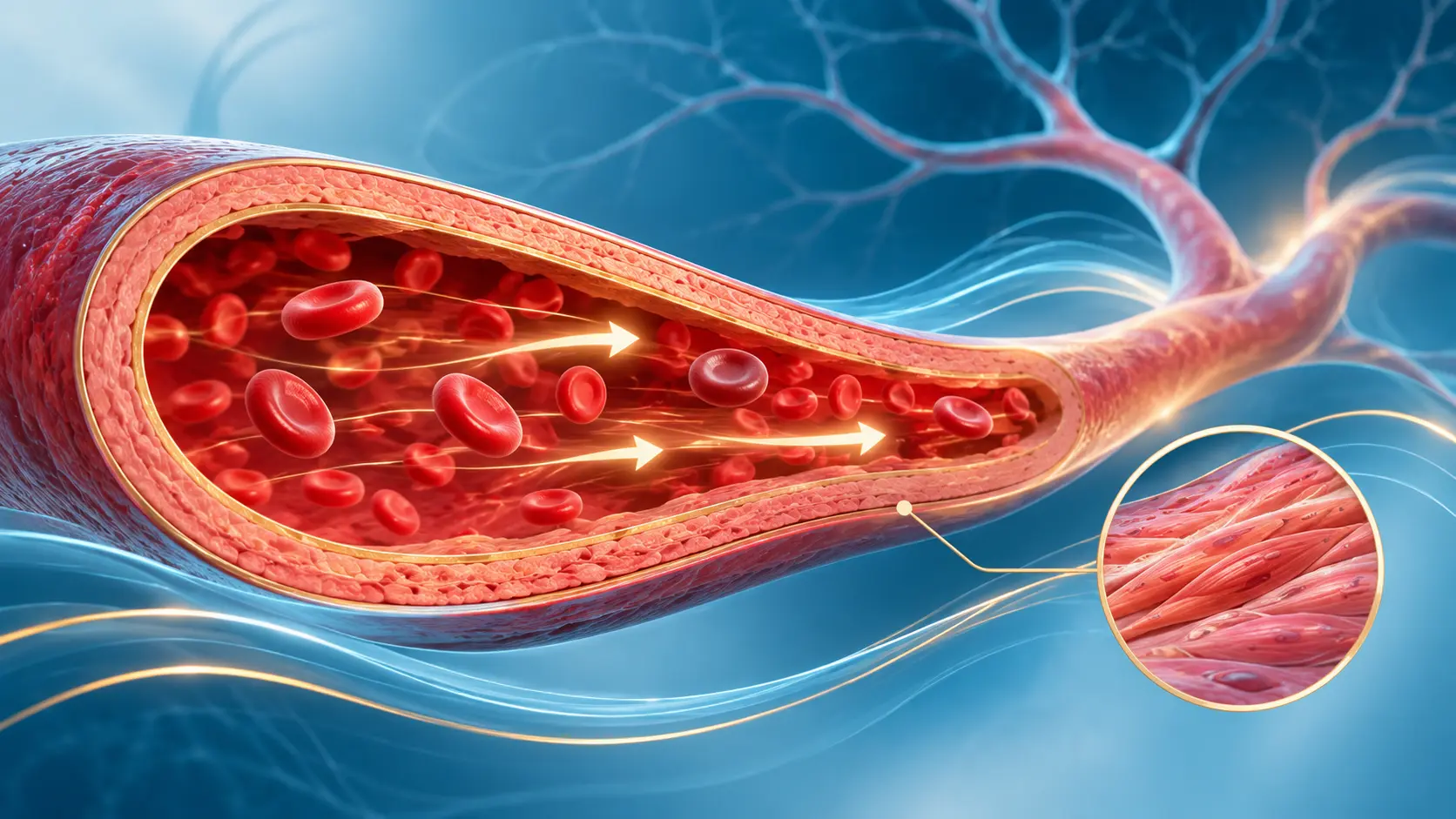
Firmness depends on blood inflow, venous outflow, nerve signalling and smooth muscle health. Doctors grade firmness with the Erection Hardness Score, a four-point scale, and with IIEF items. Some trials report firmer erections than placebo. Others find no difference.
Doppler findings remain mixed. One analysis found larger peak systolic velocity gains with PRP. Other outcome measures in the same analysis did not match that signal at every time point.
P Shot and erection firmness therefore show a plausible but unproven link. Any gain in firmness likely stays modest, even with the Priapus Shot for erection quality. Many trials enrol men with mild to moderate disease, so evidence for severe or long-standing erectile dysfunction is thinner.
Cause also matters. Vascular erectile dysfunction, such as diabetic disease, has a clearer theoretical rationale for PRP. Anxiety-related erectile dysfunction offers a weaker one.
P Shot for Maintaining an Erection and Sexual Stamina
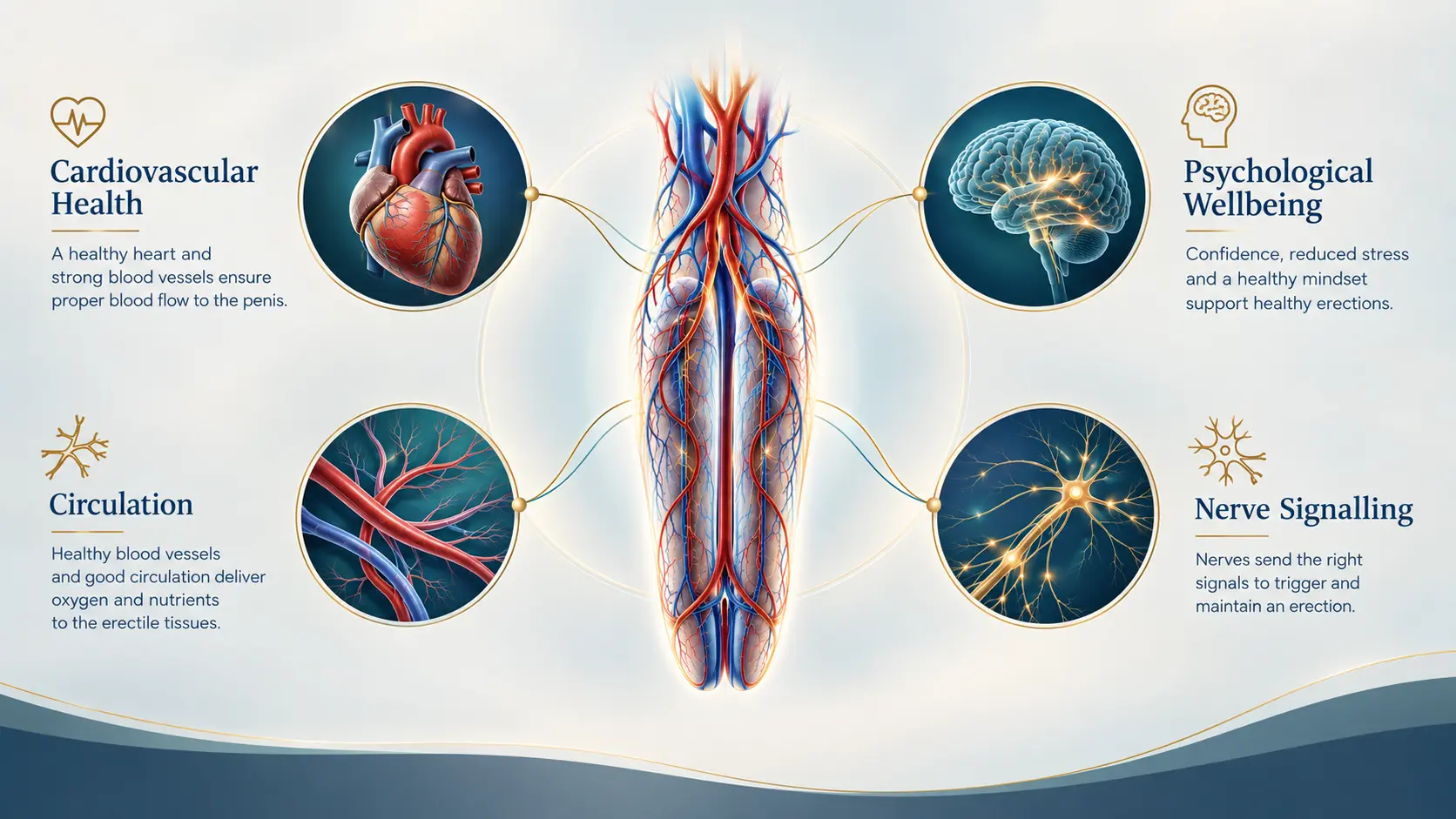
P Shot for Maintaining an Erection
Maintaining an erection requires sustained blood trapping in the penis. Venous leak, nerve damage and anxiety can each interrupt that process. IIEF questions cover both achieving and maintaining erections. Trials report combined scores and rarely isolate maintenance. Evidence specific to P Shot for maintaining an erection therefore remains thin. A man with venous leak or untreated diabetes may gain little until clinicians address the cause.
P Shot and Sexual Stamina
Sexual stamina has no single validated medical measure. The term covers erection maintenance, ejaculatory timing, cardiovascular fitness and psychological state. No randomised trial has shown that PRP improves stamina independent of erection function. Most stamina claims rest on patient reports and small uncontrolled series.
The NHS advises regular exercise, a healthy weight, less alcohol and no smoking to support erections . Those measures carry stronger evidence for erectile function than PRP.
P Shot for Premature Ejaculation
Premature ejaculation differs from erectile dysfunction. The problem lies in ejaculatory control, not blood inflow. NHS guidance describes behavioural techniques, topical anaesthetic sprays, medicines and counselling as treatment options . Some clinics offer PRP for premature ejaculation. High-quality trials supporting that use remain scarce. Guidelines do not endorse PRP for the condition. Men with premature ejaculation benefit from an assessment of both physical and psychological contributors.
P Shot for Erectile Dysfunction: Who May Be Suitable?
Assessment Comes First
Erectile dysfunction can signal wider disease. The NHS notes links with heart disease, diabetes, high blood pressure and low mood . NICE Clinical Knowledge Summaries direct GPs to assess cardiovascular risk, review medicines and consider blood tests . A GP appointment therefore comes before any private procedure.
Men Who Clinics Typically Treat
Clinics typically offer PRP to men with mild to moderate vascular erectile dysfunction. Some patients cannot take PDE5 inhibitors because of interacting medicines such as nitrates. Others respond poorly to tablets. These groups lack the strongest data. Informed consent should state that clearly.
Men Who Clinicians Usually Exclude
Clinicians usually decline treatment in several situations:
- Active genital or skin infection
- Bleeding disorders or low platelet counts
- Anticoagulant therapy without specialist advice
- Penile cancer or active cancer treatment
- Untreated underlying disease, such as uncontrolled diabetes
Safety and Side Effects
PRP uses the patient’s own blood, so allergic reaction to the product is unlikely. Common effects include injection-site pain, bruising and swelling. These effects usually settle within days. Rare risks include infection, bleeding, scarring and altered sensation. Trials report few serious events but enrol small groups and follow men briefly. Long-term safety data for the Priapus Shot for erection quality remain limited. Unregulated providers add further risk, because sterile technique and equipment standards vary.
Standard Treatments With Stronger Evidence
Phosphodiesterase type 5 (PDE5) inhibitors remain first-line treatment. Sildenafil, tadalafil, vardenafil and avanafil all belong to this group. The NHS, NICE and EAU guidance place these tablets first . Other options include vacuum devices, psychosexual therapy, testosterone replacement for confirmed deficiency and injections such as alprostadil.
EAU guidance has described low-intensity shockwave therapy as an option for selected men with mild organic erectile dysfunction. The recommendation carries weak strength . Lifestyle change supports every one of these routes. PRP may sit beside these options in a trial or informed private decision. It never replaces a medical assessment.
P Shot Treatment London and P Shot UK: Choosing a Provider
The NHS does not list PRP among standard erectile dysfunction treatments. Private clinics across London and the wider UK offer it, and fees commonly reach four figures per session. P Shots Clinic UK, a Harley Street and Marylebone clinic, offers PRP treatment under Dr Syed Nadeem Abbas. His qualifications include MBBS, MRCS (Edinburgh) and MRCGP. Additional qualifications include an MSc in Aesthetic Plastic Surgery with Distinction from Queen Mary University of London. Training took place at Cambridge, Oxford and the Royal London Hospital.
Patients considering the Priapus Shot for erection quality should check these points:
- GMC registration of the treating doctor
- CQC registration of the clinic in England
- A written consultation covering the experimental status of PRP
- Clear information on session numbers, total cost and follow-up
- Absence of guaranteed outcomes
- Sterile, single-use PRP kits and documented consent
Some websites quote success rates near 70 per cent. Published trials do not establish a rate of that size. Responsible providers state this limit openly.
Realistic Expectations: What Outcomes May Look Like
Trials report gradual change, if any. Meaningful IIEF differences appeared at 12 to 24 weeks in 2025 randomised data, not within a month . Responses vary between men. Some men notice no change. Evidence for durability beyond six months remains thin, and repeat sessions have little controlled data. Men with a serious underlying cause may see no effect unless clinicians treat that cause. Treatment will not replace medical management of diabetes, hypertension or hormone problems. Realistic goals for the Priapus Shot for erection quality focus on modest gains, not full restoration.
Factors That Influence Response
Several factors shape how a man responds. Age, the duration of erectile dysfunction and the severity of symptoms all matter. Smoking, diabetes and obesity damage blood vessels and may limit any regenerative effect. PRP preparation also varies. Platelet concentration, spin method and injection technique differ between clinics. Results from one trial may not transfer to another. Psychological factors, including performance anxiety and relationship stress, influence erections independently of tissue health. Clinicians therefore assess physical and psychological contributors before offering any injection.
Frequently Asked Questions
Does the P Shot improve erections?
Some trials show improvement. Others show no benefit over placebo. Evidence remains mixed, and guidelines classify PRP as experimental.
Is the Priapus Shot for erection quality safe?
Short-term side effects are usually mild. Long-term data remain limited. A regulated clinic and a thorough assessment reduce avoidable risk.
How long does the P Shot take to work?
Randomised data show benefit, where present, at 12 to 24 weeks. Trials do not consistently report early changes within four weeks.
Can the P Shot replace erectile dysfunction tablets?
No guideline supports replacement. PDE5 inhibitors keep first-line status. A doctor should guide any change to medication.
Does the P Shot cure premature ejaculation?
No evidence shows a cure. Behavioural therapy, topical anaesthetics and medicines carry stronger support.
Who should avoid the P Shot?
Men with active infection, bleeding disorders or anticoagulant therapy usually need to avoid it. A clinician should review medical history and medicines before any injection. Untreated underlying disease also needs attention first.
Does the NHS offer the P Shot?
The NHS does not routinely offer PRP for erectile dysfunction. A GP can arrange assessment and standard treatment.
Key Takeaways
The Priapus Shot for erection quality offers a biologically plausible idea and a mixed evidence base. Several meta-analyses report improved IIEF scores. Other analyses of randomised trials find no clear gain over placebo. The European Association of Urology and the American Urological Association still treat PRP as experimental. Firmness, stamina and premature ejaculation each need separate, honest assessment.
Informed decisions start with the cause of the problem. A GP review, cardiovascular checks and proven treatments come first. PRP remains an option for men who understand the limits, accept the uncertainty and choose a regulated provider. Outcomes stay modest and unpredictable.
When evidence stays incomplete, what level of proof should a man require before paying for treatment?
read more:
Penile Numbness vs Erectile Dysfunction: What’s the Difference?
Common Questions About Erectile Dysfunction: What Doctors Hear Most Often
Dr Syed Nadeem Abbas, MBBS, MRCSEd, MSc Aesthetic Plastic Surgery (Distinction) Medical Director, Pshot Clinic | CQC Regulated | Monday to Saturday 10:00–18:00 +44 7955 836986