Priapus Shot London: A Complete Guide for Patients Considering Treatment

✅Medically reviewed | Updated October 2026
Few men’s health treatments attract as much interest, and as much confusion, as the Priapus shot. Online listings promise dramatic change. Clinical research tells a more measured story. A treatment with limited long-term data deserves careful reading before any decision.
The Priapus shot, also called the P-shot, uses platelet-rich plasma (PRP) from the patient’s own blood. A clinician injects the concentrate into penile tissue. The aim is to support blood flow, tissue repair and erectile function. Trials continue to report mixed results.
Demand for Priapus Shot London services has grown as regenerative medicine gains attention. Clinics across Harley Street and Marylebone now list the procedure. Marketing claims often outpace the science. Patients also meet varied terminology, wide price ranges and inconsistent safety information. Reliable guidance needs evidence, not advertising. Patients need plain answers about what the treatment involves, who may benefit and what it costs.
This guide explains the procedure step by step. Current trial evidence, including recent meta-analyses, forms the core of the discussion. Suitability, risks, realistic timelines and typical pricing follow. NHS and NICE guidance sets the clinical baseline for comparison. Informed patients make better decisions than hopeful ones.
Key Points at a Glance
- The Priapus shot injects autologous PRP into penile tissue.
- Trial evidence ranges from supportive to inconclusive.
- NHS and NICE pathways prioritise standard ED treatments first.
- Session costs vary widely between London clinics.
- Photographs do not measure clinical outcomes.
What Is the Priapus Shot?
Definition and Terminology
The Priapus shot is a non-surgical procedure that uses autologous PRP. Autologous means the plasma comes from the patient. The name refers to Priapus, the Greek god of fertility. Clinics also use the terms P shot, P-shot and P shot treatment for the same procedure. P shot UK providers follow broadly similar protocols, although technique varies.
How PRP Works in Theory
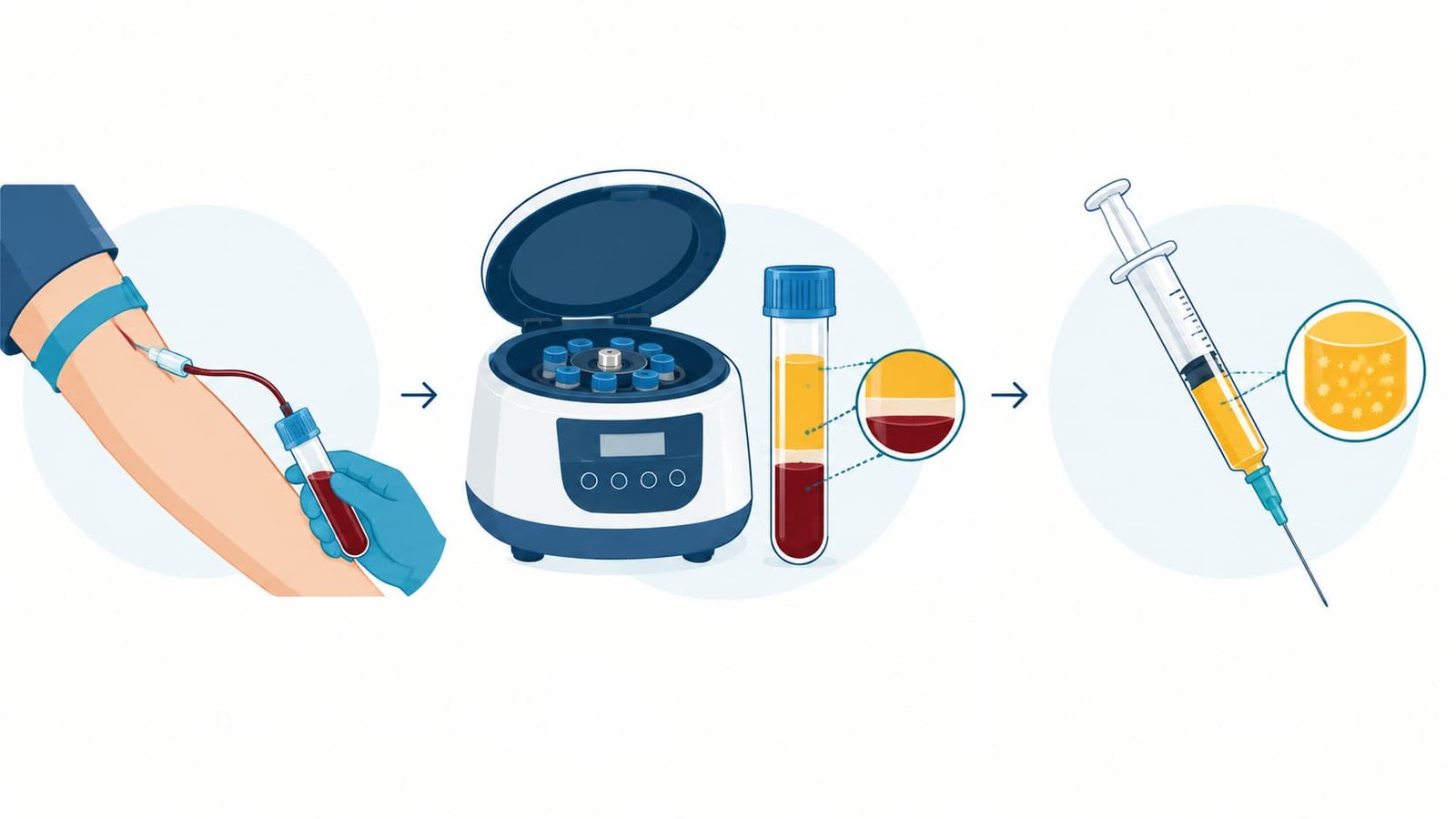
Blood contains platelets that release growth factors during tissue repair. A centrifuge spins a small blood sample and concentrates these platelets. The clinician then injects the concentrate into the penis. Laboratory studies suggest that growth factors encourage new blood vessels and nerve repair. Human data remain limited. Biological plausibility does not equal proven clinical benefit.
Why Patients Consider the P Shot
Patients usually seek the P shot for erectile dysfunction (ED). ED affects many men, and prevalence rises with age. Cardiovascular disease, diabetes and obesity increase risk. Anxiety and low mood also contribute. The NHS describes ED as difficulty getting or keeping an erection. Causes include vascular disease, diabetes, hormonal change, medication effects and psychological factors. Some patients also ask about Peyronie’s disease, reduced sensitivity and sexual satisfaction.
NICE Clinical Knowledge Summaries recommend a PDE5 inhibitor, such as sildenafil, as first-line therapy for most men. The NHS also lists vacuum pumps and psychological therapy. A P shot does not replace these options. Clinicians may discuss it when standard treatment fails or causes side effects. Treating the underlying cause matters more than any single injection.
Clinical Evidence for Priapus Shot London Treatment
What Recent Reviews Report
Several systematic reviews have examined intracavernosal PRP for ED. A 2024 PLOS ONE meta-analysis pooled 12 controlled trials involving 991 patients. PRP groups scored better than control groups on the International Index of Erectile Function (IIEF). The authors also called for larger trials with longer follow-up.
A 2024 review in Archivio Italiano di Urologia e Andrologia analysed three randomised trials. The trials enrolled 221 men with mild to moderate ED. Pooled data suggested short-term improvement lasting up to six months. A 2025 meta-analysis of vasculogenic ED reported a mean difference of 3.28 in erectile function scores against placebo.
Findings still conflict. A separate 2025 meta-analysis pooled seven randomised trials with 512 participants. It found no consistent, clinically meaningful improvement over placebo. Injection volumes, session numbers and PRP preparation methods differ between trials. These differences may explain part of the disagreement.
Why Evidence Quality Matters
Randomised, placebo-controlled trials separate true treatment effect from expectation. Uncontrolled case series often overstate benefit. Standardised outcomes such as the IIEF allow comparison between studies. Reviewers also grade the certainty of evidence. Low certainty means future trials may change current conclusions.
Limits of the Current Evidence
Most trials enrol small numbers of men. Follow-up rarely exceeds twelve months. Placebo responses in ED research can be substantial. Few studies examine the P-shot for penile enlargement or sensitivity. Researchers also debate platelet concentration, activation methods and injection depth. No consensus protocol exists. NICE guidance does not list PRP injection among recommended ED treatments. Clinics therefore use PRP for this purpose as a non-standard, off-label application. Promising early data justify cautious interest, not confident promises.
How the P Shot Compares With Other ED Treatments
PDE5 inhibitors remain the best-evidenced option. NICE Clinical Knowledge Summaries endorse PDE5 inhibitors as first-line therapy. Low-intensity shockwave therapy has some randomised data, although routine use remains debated. Vacuum devices and psychological therapy suit selected patients. Lifestyle change also improves vascular health. Stopping smoking, reducing alcohol, exercising and managing weight all help.
Combination approaches attract research interest. A 2025 meta-analysis pooled seven randomised trials with 660 patients. Adding PRP to shockwave therapy improved IIEF scores more than shockwave therapy alone. Larger confirmatory trials remain necessary. No single treatment suits every man with ED.
Preparing for a Consultation
Preparation improves the quality of a consultation. Patients should list current medications, supplements and medical conditions. A note of erectile symptoms, including onset, severity and morning erections, helps the clinician. Recent blood results from a GP add useful context. Patients should ask which outcome measures the clinic uses. Questions about complication rates also matter. Patients should ask what happens if treatment does not work. A clear plan for non-response signals responsible practice.

Who May Be Suitable for the P Shot
Patients Clinicians May Consider
Suitability for Priapus Shot London treatment depends on a full medical assessment. Trials mainly enrol men with mild to moderate ED. Clinicians may also consider patients who respond poorly to PDE5 inhibitors or wish to avoid daily tablets. A clinician must first exclude reversible causes. Blood tests may check glucose, lipids and testosterone.
Patients Who Need Extra Caution
Some conditions raise risk or require specialist input first. Examples include active infection, blood disorders, low platelet counts and anticoagulant therapy. Active cancer, uncontrolled diabetes and unexplained penile symptoms also need review. Men with heart disease should discuss sexual activity with a GP or cardiologist. The NHS advises seeing a GP about any new erectile difficulty, because ED can signal heart disease or diabetes.
What Happens During a Priapus Shot London Appointment
Consultation and Consent
A clinician takes a medical and sexual history. Examination and blood tests may follow. The doctor explains expected benefits, uncertainty, risks and alternatives. Written informed consent precedes treatment. Honest discussion of limits forms part of good consent.
Blood Collection, Preparation and Injection
Good hydration beforehand eases blood collection. A nurse or doctor draws a small volume of blood, usually from the arm. Centrifugation then separates the plasma and concentrates the platelets. This step takes around 15 to 20 minutes. Topical anaesthetic cream numbs the skin, and some clinics add a local nerve block. The clinician then injects the PRP into several sites along the penile shaft. Protocols vary in sites, volumes and technique. A typical visit lasts around one hour.
Immediate Aftercare
Patients usually resume normal activity the same day. Clinics commonly advise avoiding strenuous exercise and sexual activity for 24 to 48 hours. Mild tenderness settles with simple measures such as paracetamol. Clinicians often ask patients to avoid anti-inflammatory tablets, which may affect platelet function. Mild swelling may last one or two days. Each clinic issues written aftercare instructions. A follow-up review at three months allows symptom tracking with the IIEF questionnaire.
Risks and Side Effects of the P Shot
Because PRP comes from the patient’s own blood, allergic reaction risk is low. Common effects include bruising, swelling, redness and tenderness at injection sites. These effects usually settle within days. Rarer risks include infection, bleeding, nerve irritation and persistent pain. Poor injection technique may cause haematoma or lumps. Fainting during blood collection occurs occasionally, so clinics should offer a reclined position. Sterile single-use equipment keeps infection risk minimal.
Patients should seek urgent medical advice for fever, spreading redness or severe pain. NHS guidance treats an erection lasting over four hours as an emergency. Unregulated settings and non-medical operators add avoidable risk. Long-term safety data remain limited.
Results Timeline and P Shot Before and After Images
Realistic Timelines
Studies report variable timing. Some trials measure change at one, three and six months. Clinics often describe gradual change over several weeks. No guarantee exists for any individual. Where benefit occurs, some studies show it diminishing after about six months. Some protocols therefore plan repeat sessions. Evidence for repeat dosing remains limited.
Factors That Influence Outcomes
Age, ED severity, diabetes, smoking and vascular health all influence response. Men with severe vascular damage may respond less. Lifestyle change alongside treatment supports vascular health. Realistic goals centre on modest functional improvement, not restoration of youthful function. Modest, well-defined goals protect patients from disappointment.
Reading P Shot Before and After Material
A P shot before and after gallery can mislead. Photographs show lighting, angle and arousal state rather than erectile function. Standardised questionnaires such as the IIEF measure outcomes more reliably. Patients should ask clinics for audited outcome data, not selected images. Claims of penile enlargement lack robust trial support. A photograph cannot prove that a treatment works.
Priapus Shot Price in London
The Priapus shot price varies by clinic, location and protocol. A Priapus Shot London session typically costs between about £900 and £1,500. Some clinics quote course packages. Fees may cover consultation, PRP kit, anaesthetic and one review. Others charge these items separately. Repeat sessions add cost, and some clinics discount courses. Patients should compare the total cost of a full treatment plan, not only the headline fee for one session.
Insurers may not cover PRP for ED, and the NHS does not routinely fund it. Patients should request a written, itemised quote and ask about repeat-session costs. Unusually low prices warrant questions about equipment, staffing and regulation.
How to Choose a Qualified Clinic for P Shot London Treatment
Searching for Priapus Shot London providers returns many listings. Search ranking does not measure clinical quality. Standards among P shot UK providers differ widely. Safe care starts with regulation and medical oversight. A clinic offering regulated treatment in England should hold Care Quality Commission (CQC) registration. The treating clinician should hold current General Medical Council (GMC) registration.
PRP preparation involves blood handling, so infection control standards matter. The clinic should explain how it prevents cross-contamination. Other markers include documented PRP preparation methods, transparent pricing and written aftercare. Ethical clinics discuss alternatives, including PDE5 inhibitors, and decline treatment when risks outweigh benefit. A gap between consultation and treatment also supports considered consent.
As one factual example, Pshots Clinic UK operates on Harley Street in Marylebone. Dr Syed Nadeem Abbas leads the clinic. The lead clinician holds MBBS, MRCS (RCS Edinburgh) and MRCGP qualifications. Further qualifications include an MSc in Aesthetic Plastic Surgery with Distinction from Queen Mary University of London. Training took place at Cambridge, Oxford and the Royal London Hospital. Patients can verify any clinician’s credentials through the GMC online register.
Regulation and Standards in the UK
UK regulation of independent clinics focuses on the provider and the clinician. The CQC inspects registered services in England against safety and quality standards. GMC regulation covers doctors, and a searchable register shows current status. Professional bodies set conduct standards for nurses and other clinicians. No single rulebook governs the P-shot itself. Patients therefore carry responsibility for checking registration, training and consent practice before booking. Verification takes minutes and removes much avoidable risk.
Frequently Asked Questions
Is Priapus Shot London treatment available on the NHS?
The NHS does not routinely fund PRP injections for ED. NHS services offer tablets, devices and psychological therapy instead. A GP can assess symptoms and refer patients to a specialist.
Does the P shot work for everyone?
No. Trials report average group improvements, and individual responses vary. Some men gain little or nothing. Evidence in severe ED is thinner, because trials mainly enrol men with mild to moderate disease.
How many sessions does P shot treatment involve?
Protocols vary widely. One meta-analysis reviewed trials that used 5 to 10 mL of PRP across 2 to 4 sessions. Clinics may offer one initial session followed by a review at three months.
Does the P-shot cause permanent penile enlargement?
Robust evidence does not support lasting enlargement. Reports from clinics lack controlled trial confirmation. Patients seeking size change should discuss realistic expectations with a urologist.
Can the P shot combine with ED tablets?
Clinicians may advise patients to continue prescribed PDE5 inhibitors during treatment. A full medication review should precede any combination.
When can patients resume sexual activity?
Clinics commonly advise waiting 24 to 48 hours. Individual instructions vary, so patients should follow written advice from the treating clinician.
Is the P-shot safe?
Autologous PRP carries a low reaction risk. Minor bruising and soreness occur most often. Infection and tissue injury remain possible with poor technique. Long-term safety data remain limited.
Key Takeaways
The Priapus shot offers a regenerative option with biological logic and early supportive data. Evidence remains inconsistent, short-term and dependent on technique. Standard treatments recommended by NICE still lead care for most men with ED. A GP review should come first to identify heart, hormonal or metabolic causes. Anyone considering Priapus Shot London treatment should weigh realistic outcomes, risks, price and clinician qualifications together. Questions about evidence, outcome data and alternatives belong in every consultation. Informed consent protects patients better than any promise of results. How much evidence should a patient require before accepting a treatment that science has not yet settled?
Read more:
What Is the P-Shot Success Rate? What the Research Really Shows
How Long Does It Take to See P-Shot Results? A Week-by-Week Guide
Dr Syed Nadeem Abbas, MBBS, MRCSEd, MSc Aesthetic Plastic Surgery (Distinction) Medical Director, Pshot Clinic | CQC Regulated | Monday to Saturday 10:00–18:00 +44 7955 836986